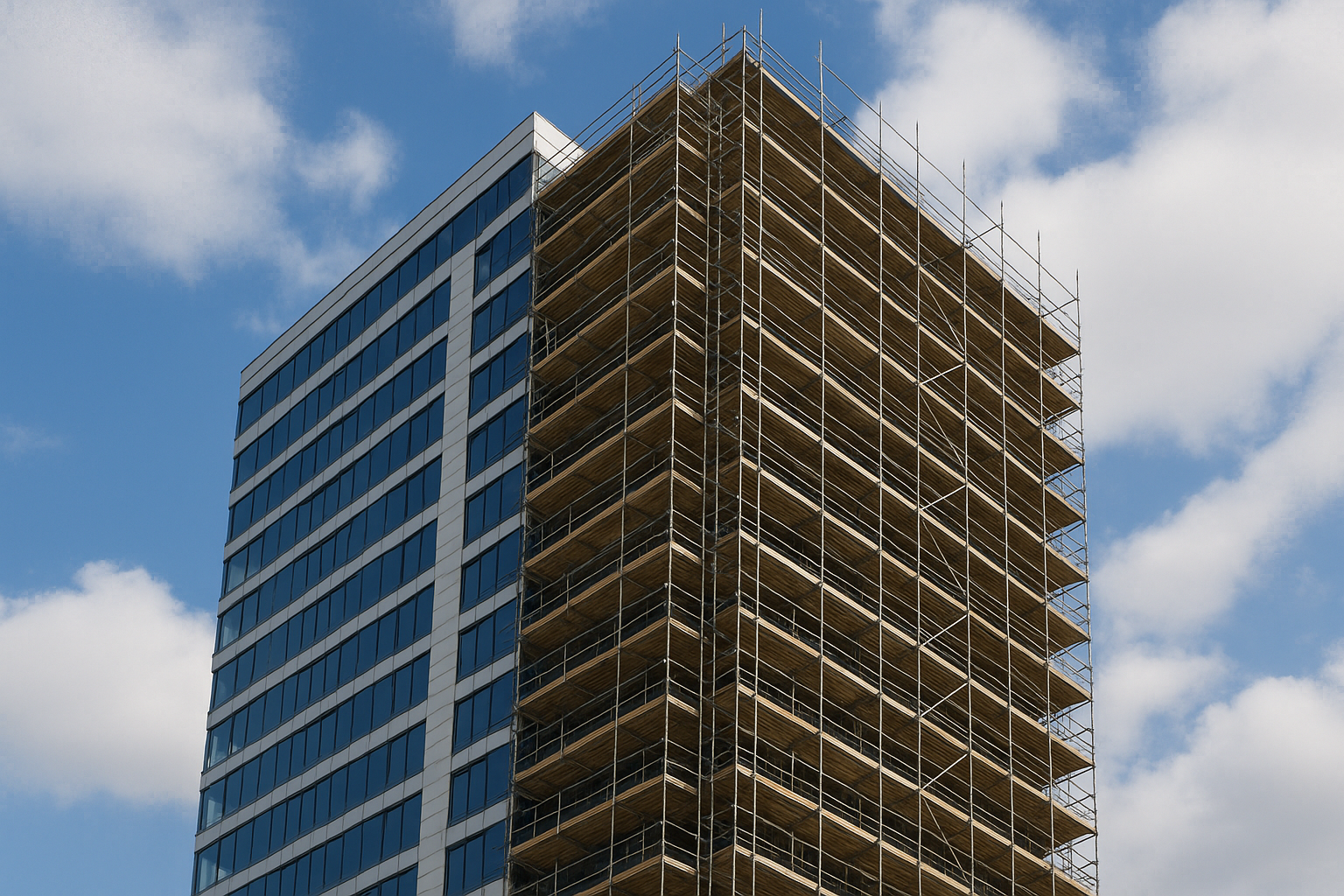
The Building Safety Act (BSA) promised safer homes for the UK. Yet, hundreds of existing tower blocks now face long waits. They need permission to start vital safety repairs.
Why are so many remediation projects stuck? The new system, which the Building Safety Regulator (BSR) controls, faces big problems. The main issue is the mounting pressure from BSR Gateway 2 delays. This is the biggest problem with the new safety rules. It slows down work needed to make homes safe.
Focus: The Gateway 2 Problem
The BSR created the Gateway 2 process. This is the stage where the regulator must approve the final design. Work cannot start without this approval. BSR Gateway 2 delays cause major problems for building owners. BSR staff struggles to process the flood of applications. This is especially true for old buildings that need urgent fixing.
Here is a simple look at the three main causes of these long waits.
1. Regulator Guessing Was Wrong
When the BSR started, it guessed too low about its workload. However, that model failed when it met the real world.
The regulator guessed too low about the work needed for existing blocks. The BSR was flooded with far more applications than its staff could handle. As of early October, 869 existing buildings waited for a crucial Gateway 2 decision. In contrast, only 159 new buildings were stuck at the same point.
The BSR was still building its own capacity. This is why the system broke down. Staff struggled to find enough external Registered Building Inspectors and mixed teams to review the submissions. This lack of capacity is the main cause of the long delays.
2. The Law Defines “Building Work” Too Broadly
The new law gave “building work” a very wide meaning. This definition includes minor, routine maintenance. It includes more than just major cladding remediation jobs.
As a result, many simple tasks now need BSR approval. For example, work like changing a boiler system or replacing fire doors falls under the regulator’s scope. Many experts argue that they could easily complete much of this work without BSR approval. This wide definition caused a huge blockage in the approvals system.

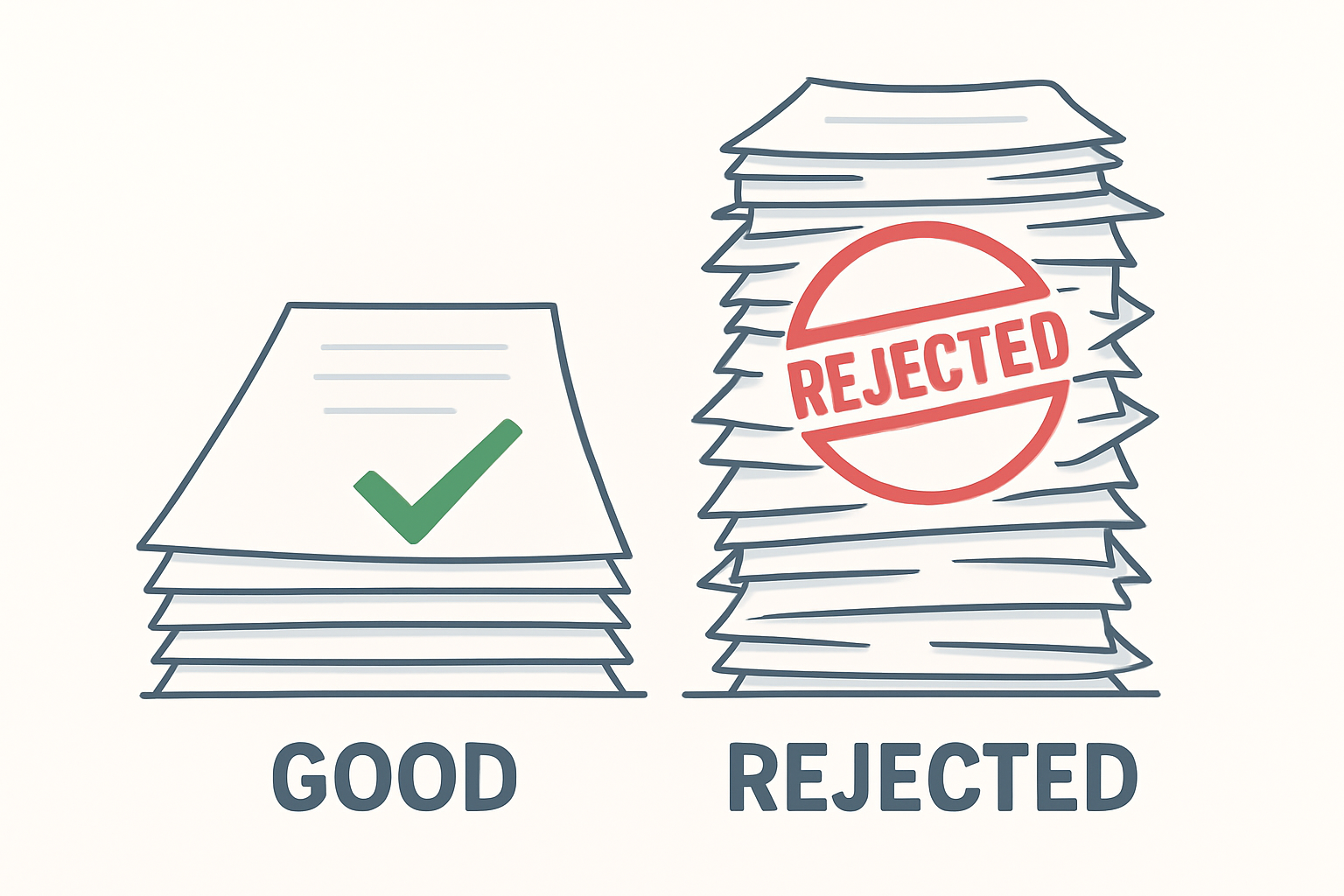
3. Applicants Sent Too Many Poor Submissions
In the early stages, the quality of submissions to the BSR was often very low. The industry was not yet used to the new need for full designs.
The BSR decided to let these poor applications into the system anyway. This decision caused major blockages later on. For example, applications often had:
- Unclear plans of the work.
- Missing evidence of compliance.
- Simple errors, such as the wrong building name or conflicting fire strategies.
Because these submissions lacked important details, BSR staff spent extra time trying to fix them. Therefore, this slowed down the whole process for everyone, including those with high-quality applications.
The Real Cost of Delays
These regulatory bottlenecks have severe consequences:
- Safety Risk: People still live in buildings with known safety defects, like cladding panels that could fall off.
- Financial Pain: Contractors often refuse to hold prices for more than three months in the current market. Delays of six months to a year make job pricing impossible.
- Restarting Work: When approval finally comes, the original contractor may no longer be available. This means building owners must re-engage new teams and re-confirm costs, causing even more delay.
The BSR sees the frustration. It works hard to improve processing times. However, until the system finds more staff and the industry submits better applications, hundreds of buildings will remain stuck, waiting for the green light to finally become safe.