The Clock is Ticking: Strategic Compliance in Residential Fire Safety Management
The UK is making major changes to residential fire safety management. These changes follow the critical lessons of the Grenfell Tower tragedy. Therefore, the government introduced The Fire Safety (Residential Evacuation Plans) (England) Regulations 2025. These new rules turn the Grenfell Inquiry’s PEEPs (Personal Emergency Evacuation Plans) recommendations into law for high-risk buildings.
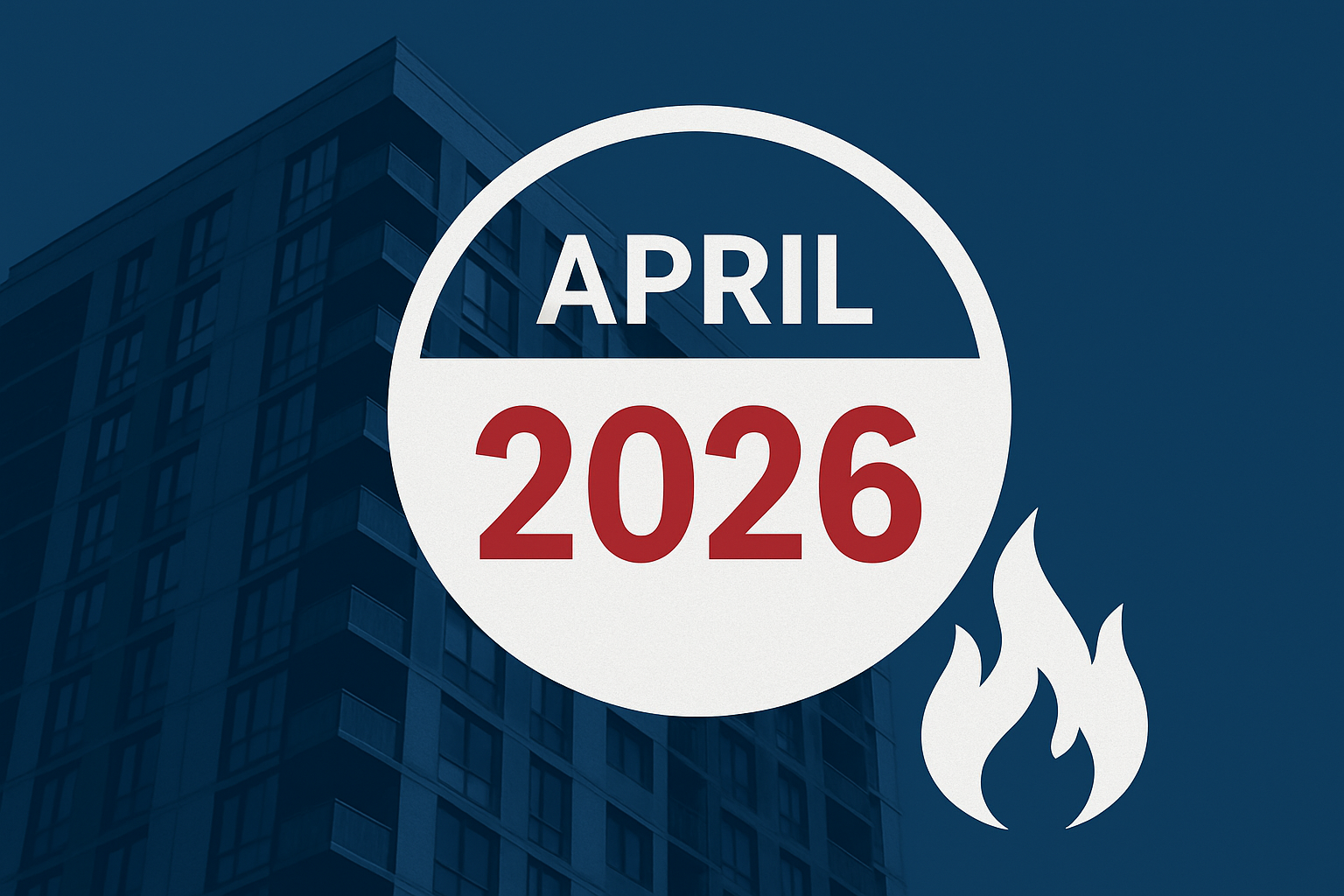
If you are a Responsible Person (RP) or Building Safety Manager (BSM), this rule affects your residential fire safety management. However, it is much more than just paperwork. It’s a major shift: fire safety must now focus on the individual resident. The deadline, 6th April 2026, is coming soon. Consequently, you must start preparing now.
Who is Affected? The Scope of the New Regulations
Firstly, you must check if these new duties apply to your buildings. The rules apply to specific residential buildings in England. These buildings must have two or more homes and meet one of these criteria:
- They are at least 18 metres in height above ground level (or have at least seven storeys).
- They are more than 11 metres in height and use a simultaneous evacuation strategy.
In short, these rules target higher-risk housing. In these buildings, a ‘stay-put’ strategy may not protect every resident. Furthermore, safely evacuating people is the biggest challenge here.
The Responsible Person’s Core Duty: Shifting Residential Fire Safety Management to a Person-Centred Approach
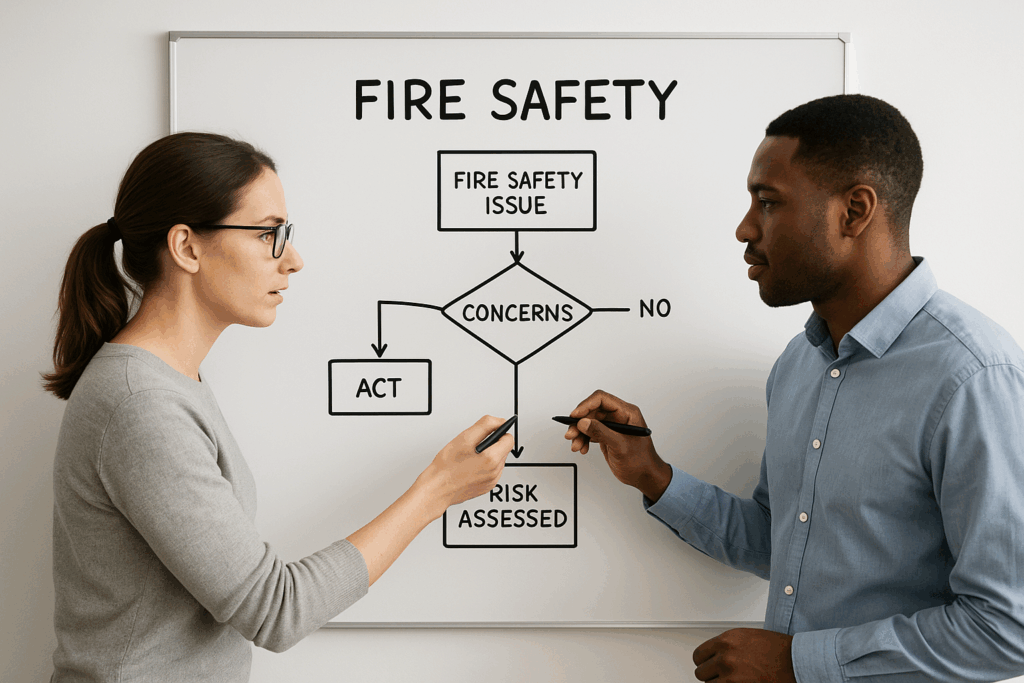
The new rule centres on the Residential PEEPs process. Good residential fire safety management means you must protect residents who need help to leave during a fire. This includes people with physical or thinking conditions.
Therefore, as the Responsible Person, your duties are now legally defined and structured:
1. Identify the ‘Relevant Resident’
You must try hard to find residents who cannot get out safely without help. Crucially, the resident decides if they want a PEEP. You cannot force them to take part. To clarify, this first step needs an approach with tact and trust.
2. Conduct a Person-Centred Fire Risk Assessment (PCFRA)
If a relevant resident consents, you must offer a PCFRA. If they request one, you must conduct it. This is different from the standard building-wide Fire Risk Assessment. Instead, the PCFRA looks at two things:
- Risks in their flat and the building’s shared areas due to the resident’s condition.
- Their actual ability to leave the building on their own.
3. Create an Emergency Evacuation Statement
After you assess the risks, discuss how to make them smaller. Then, you must work hard to agree on an evacuation plan with the resident. You then record this plan in a written Emergency Evacuation Statement. This statement clearly lists the steps the resident agrees to follow if a fire starts.
4. Share Information with the Fire and Rescue Service (FRS)
With the resident’s explicit consent, you must share essential, minimal information with your local FRS. For example,this includes the resident’s flat number, floor, and basic details about the help they need. In addition, Firefighters (FRS) need this information immediately during an emergency. You typically keep it in a secure information box at the site.
5. Prepare a Building Emergency Evacuation Plan (BEEP)
Furthermore, the regulations require you to create a building-wide BEEP. This plan must include details about residents who need help and the specific steps for their evacuation. Finally, you must review and share this BEEP annually with the local FRS.
The Strategic Next Steps for Residential Fire Safety Management Professionals
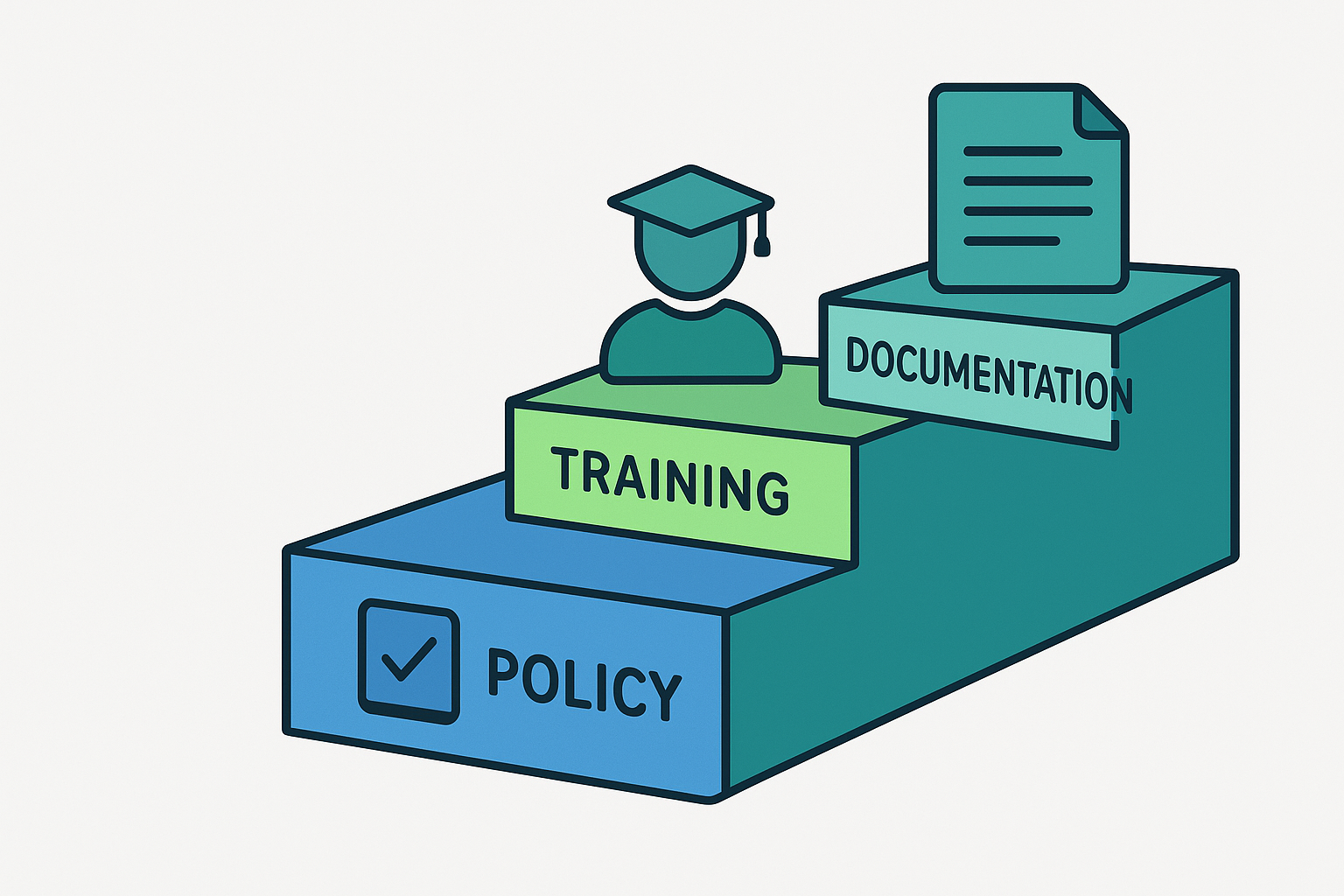
The deadline is April 2026, but you need to act fast. We urgently need qualified professionals. Above all, they must manage this complex process and provide excellent residential fire safety management.
As a result, if you work in residential fire safety management, your immediate action plan should include:
- Policy Development: Update your Fire Safety Policies. Clearly define the Residential PEEPs and PCFRA process, including staff roles and how often to review them.
- Staff Training: Ensure staff, especially housing managers or fire safety personnel, are fully trained to carry out PCFRAs sensitively and accurately.
- Resident Engagement: Start a proactive, empathetic communication strategy. This builds trust and encourages relevant residents to identify themselves. Therefore, it is a vital step.
- Documentation System: Set up a secure, GDPR-compliant system. This system will manage PCFRAs, Emergency Evacuation Statements, and consent forms.
In conclusion, the introduction of Residential PEEPs is a monumental, positive step for occupant safety. It makes this duty of care official. It is a step many fire safety experts have long supported.