
Hiring a Building Safety Manager (BSM) in the UK is now a top priority. The Building Safety Act now requires building owners and operators to show that a skilled person manages all property safety. So, picking the right person is huge. It’s about building trust, proving accountability, and protecting people and your company’s name for the long term.
Finding this person can be hard, though. The job blends technical skill, legal knowledge, and great people skills. Because of this, many companies now face a steep learning curve when they recruit. The good news is that with the right planning, you can absolutely hire someone who fits your company culture and all your safety rules.
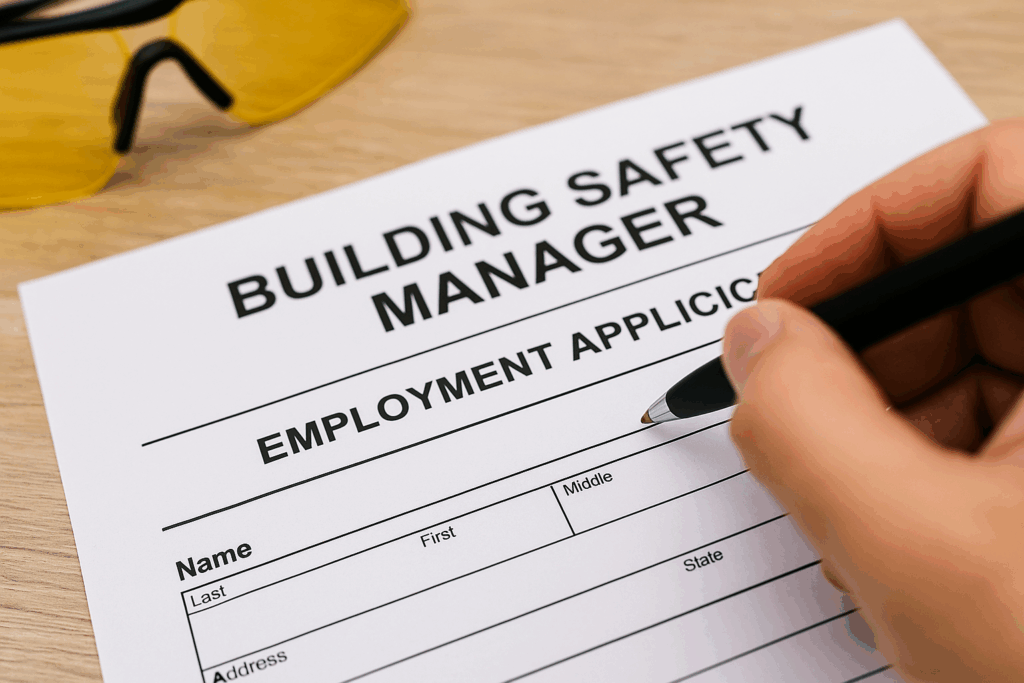
Understanding the Building Safety Manager Role
Before you start hiring, you must know exactly what a BSM does. Their main job is to keep higher risk buildings safe, legal, and correctly documented through their entire life. This means handling the Golden Thread of information, keeping up Safety Case Reports, and working with fire safety and maintenance teams.
The BSM also connects residents, contractors, and the regulator. They need to explain tricky issues simply. They must balance legal duties with being kind and fair. When they get this balance right, you get safer buildings, clearer talks, better teamwork, and fewer problems.
Why Hiring the Right Building Safety Manager Matters
The Grenfell tragedy changed how the UK looks at building safety. It showed the risks of bad communication, weak leadership, and not enough checks. Because of this, the Building Safety Act now holds owners and operators of high risk buildings directly responsible.
So, hiring a good, skilled BSM is one of the most vital things your company can do. The right person sets up clear systems, keeps records in order, and helps create a culture where safety is the priority. A great hire also helps lower legal risk, manage insurance costs, and boost public trust that your company is doing what’s right.

The 10 Step Hiring Process
Step 1: Know Exactly What You Need
Good hiring starts with a clear plan. Before you advertise the job, take time to define your company’s exact needs. If you don’t, even the best recruiter will have trouble finding the right person.
Ask yourself these questions:
- How many buildings will this manager oversee?
- What systems or rules are already in place?
- Who will they report to the Accountable Person or the board?
- How much resident engagement do you expect?
When you answer these, you create a job profile that matches reality, not just guesses. This clear picture brings in skilled professionals whose experience fits your needs, which saves you time when you shortlist and interview.
Step 2: Write a Clear Job Description
Once the role is defined, write a clear, attractive job description. An open description sets proper expectations, helps filter applicants well, and shows your company as professional and trustworthy.
Start with a quick summary of the job’s purpose. Then list the main duties: keeping safety records, running compliance systems, setting up inspections, and talking with residents. Use simple words and focus on results, not long lists of technical terms.
For example, instead of writing “manage docs in line with PAS 8673,” try saying: “make sure safety info is neat, up to date, and easy to find during the building’s life.” Clear wording makes the ad easy to read and helps you find diverse people with fitting experience from other jobs. Last, include pay details, benefits, and training chances. Being honest about pay builds trust and means fewer delays when it’s time to negotiate.
Step 3: Spot the Key Building Safety Manager Qualities
A BSM is more than a technical expert; they are also a good communicator, a fair go between, and a leader. For this reason, look past their qualifications alone.
Search for people who show:
- A practical grasp of the Building Safety Act and Fire Safety Order.
- Experience managing high rise or complex buildings.
- Good communication and analytical skills.
- Confidence using digital safety systems and platforms.
- A proactive, solution driven approach.
Attitude is often just as important as experience. People who stay calm when things get tough, talk with kindness, and view safety as a team goal will bring the best results for both residents and your company.
Step 4: Create a Smart Interview Process
Interviews are your best chance to see how a person thinks, acts, and talks. Since the job involves making tough calls, your questions should look at real world judgement.
Questions based on a scenario reveal problem solving skills much better than questions about theory. Also, think about giving a short technical test, like looking over a sample Safety Case Report. This checks for written clarity and attention to detail.
If you can, use interviewers from a few different teams. This makes the process fair and helps you see how the person works with different departments.
Step 5: Check Competence and References Carefully
After the interviews, take time to check the person’s skills, memberships, and references. The BSM role comes with big legal duties, so checking everything is a must.
Check their professional memberships with groups like CABE, IFE, or IFSM. Look at their training records and confirm it matches PAS 8673 standards. Call past bosses to ask about their work ethic, how they talk, and how they handled past safety issues. Good checks take time. However, they ensure your final choice truly meets the required safety standards. Doing this prevents expensive errors and keeps your reputation strong.
Step 6: Talk Clearly During the Process
Good communication is a strong hiring tool. Candidates often judge potential employers by how they are treated during the process. So, always share the hiring timeline, provide regular updates, and reply to questions fast.
Being consistent and courteous sends a strong message about your company’s culture. Even if a candidate isn’t hired, they will remember your professionalism. This good name helps attract other high quality applicants later on.
Step 7: Offer a Competitive and Fair Package
The market for BSMs is tough, so your offer must match both the hard work and the responsibility of the job. Beyond salary, think about how you can make the package appealing.
Offer funding for training, options for hybrid working, and clear ways to get promoted. Show your company’s strong commitment to safety and employee happiness. When professionals feel supported and respected, they are more likely to stay and perform well.
A well planned package signals that your company values safety as more than just a rule it shows that you take care of those who take care of others.
Step 8: Give a Strong Start with Onboarding
Onboarding is the key link between hiring and success. It must give your new BSM the knowledge, tools, and connections needed to do the job well.
Introduce them to your teams early, give them access to building data, and explain your internal reporting systems. Assign a mentor or point of contact to guide them in their first few months. Regular check ins during this time help spot any issues and build confidence fast.
A helpful onboarding process makes a positive first impression and sets the groundwork for long term engagement.
Step 9: Avoid Simple Hiring Mistakes
Many companies fall into common traps when hiring. Some rush the process, while others rely too much on technical paperwork. Both ways can lead to failure.
Avoid assuming that any facilities manager can jump right into the role. Though many have useful experience, the BSM job requires specific knowledge of regulation, talking to people, and resident interaction.
Also, avoid ignoring personality fit. Technical skills can be taught, but attitude and professionalism are harder to change. By taking a balanced view, you’ll get a person who performs well and fits your culture.
Step 10: Keep and Grow Your Building Safety Manager
Keeping a good BSM is just as important as hiring one. Losing them can stop compliance work and weaken resident trust.
Encourage them to keep learning and offer chances to lead safety projects. Praise their achievements publicly and celebrate success. Also, create a space where feedback goes both ways when managers feel heard, they are much more involved.
Keeping staff also relies on manageable workloads and strong teamwork. Regular reviews ensure your safety pros remain supported and motivated.

The Future of the Building Safety Manager Role
The future of building safety is changing quickly. As technology moves forward, data systems, AI, and smart monitoring will reshape how information is shared and managed. Yet, the human element will still be key.
Future Building Safety Managers will need to combine digital smarts with kindness, leadership, and clear talking. Employers who invest in these skills today will be ready for tomorrow’s challenges.
By welcoming new ideas and valuing skill equally, companies can lead the way toward safer, smarter, and more sustainable buildings.
Conclusion
Hiring the right Building Safety Manager is about much more than following a rule. It’s about building trust, protecting people, and creating a lasting culture of safety.
By defining the role clearly, talking openly, and supporting continuous learning, you can attract professionals who will boost your reputation and strengthen your compliance. The result is a safer, more confident organisation—one ready to meet the future of building safety head on.