
The Building Safety Regulator (BSR) is now taking a much tougher stance on legacy schemes across the UK construction sector. Recently, the BSR announced a major review of 29 remaining projects that have been stuck in the system. They have made it clear that they will reject any applications with issues that cannot be fixed within two months. For professionals seeking building safety jobs, this news highlights the growing need for high quality compliance work. If a project fails this review, developers must start the entire process again from scratch. This article looks at what these changes mean for the industry and how teams can navigate the new rules for legacy schemes.
The Current Status of Legacy Schemes in the BSR System

Initially, the number of legacy schemes awaiting approval was much higher. In early November last year, there were 81 new build cases still under review. However, the BSR has changed the way it operates to clear this backlog. Consequently, that number has now dropped significantly to just 29 active cases.
The latest data shows an 87% approval rate for cases that the BSR considers “viable.” This means that if a project is well planned, it has a high chance of passing. On the other hand, many projects are still struggling at the very first stage. For example, 56% of applications in the Innovation Unit fail at the initial validation point. This usually happens because basic design information is missing from the file. Therefore, the focus for legacy schemes must shift toward providing complete and accurate data from day one.
Why the BSR is Speeding Up Reviews for Legacy Schemes
The BSR wants to move away from the old system and focus on modern safety standards. By setting a two month deadline, they are forcing developers to resolve lingering disputes quickly. If achieving an approval within the next 60 days seems unlikely, the BSR will simply reject the application.
For developers, this is a major risk. Starting again with a fresh submission is both expensive and time consuming. Because of this, many firms are now hiring more experts for building safety jobs to help push these projects through. These professionals ensure that every technical detail meets the new regulatory requirements. Furthermore, they act as the bridge between the developer and the regulator to prevent simple errors from stalling a project.
A Message of Support for Legacy Schemes from the BSR Chair

On 28 January, BSR Chairman Andy Roe shared an important update regarding these projects. He acknowledged that the BSR has a “responsibility” to help get legacy schemes across the finish line. This is partly because the previous system was not working as well as it should have been.
However, Mr. Roe also issued a clear warning. He stated that if the BSR and the developer cannot agree on matters of safety or design principle, the process will stop. “We’ll have to call a halt to it, obviously,” he noted. This balanced approach shows that while the BSR wants to be helpful, they will not compromise on safety. Consequently, those working on legacy schemes must be prepared to be flexible and highly transparent with their safety data.
The Challenges of Innovation in Legacy Schemes
One of the most striking stats involves the Innovation Unit. As mentioned before, over half of these applications fail because they lack basic info. This suggests a gap in the industry’s understanding of what the regulator needs.
When working on complex legacy schemes, developers often try new methods or materials. While innovation is good, it requires even more documentation. If you are looking for building safety jobs, you will find that “validation” is now a key skill. You must be able to prove that a design is safe using hard evidence. Without this evidence, the BSR cannot approve the project. Therefore, the goal for any team managing legacy schemes should be to over deliver on detail during the submission phase.
What Happens if Your Legacy Schemes are Rejected?
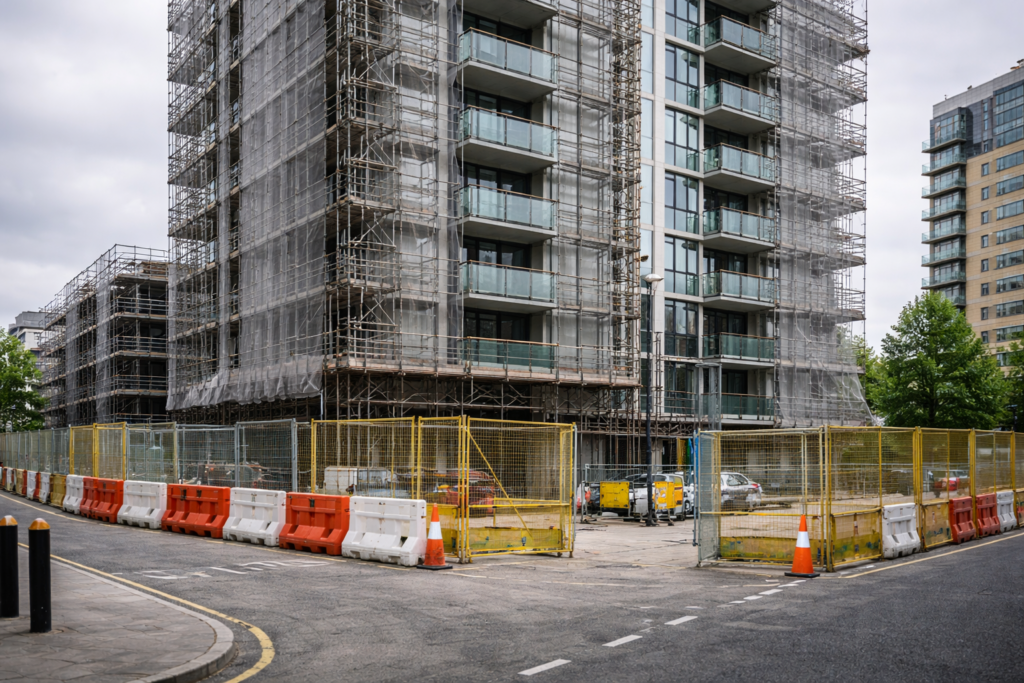
If the BSR rejects your application, the road ahead is difficult. You cannot simply appeal and wait. Instead, you must submit a completely new application under the current building control regime. This means:
- Higher Costs: You will have to pay new fees for the submission.
- New Standards: You must meet the very latest safety laws, not the ones from when the project started.
- Delays: Your construction timeline will likely slip by several months or even years.
To avoid this, teams must focus on the “two month window” provided by the BSR. If you can resolve your issues by April, you can save your project. This is why building safety jobs are so vital right now. Experts can spot the “red flags” that might cause a rejection and fix them before the deadline.
How Professionals in Building Safety Jobs Can Help
The rise in demand for compliance experts is no accident. Because the BSR is so strict, companies need people who understand the “BSR language.” In the context of legacy schemes, these professionals perform several key tasks:
- Gap Analysis: They look at old files and find missing safety data.
- Liaison: They speak directly with BSR inspectors to clear up confusion.
- Data Management: They ensure all digital records are ready for the validation stage.
By filling these building safety jobs, firms can protect their investments. Ultimately, the cost of a safety officer is much lower than the cost of a failed building application.
The Future of Building Control Beyond Legacy Schemes
Once the BSR clears the final 29 legacy schemes, the industry will enter a new phase. The “Wild West” days of loose building control are over. From now on, every high rise project will face the same intense level of scrutiny from the start.
This change is good for the public, as it ensures buildings are truly safe to live in. For the industry, it means that “getting it right the first time” is the only way to stay profitable. If you are starting a career in building safety jobs, you are entering a field that is now more respected and necessary than ever before. You are the guardians of the new safety standards that will define the next century of construction.
Summary: Navigating the Final Stretch for Legacy Schemes
The BSR’s review is a final call for developers to get their houses in order. With only 29 legacy schemes left, the finish line is in sight. However, the two month deadline is a very real threat. Teams must work with the regulator, provide every piece of missing data, and be ready to make design changes if asked.
In conclusion, the era of legacy schemes is ending. While the transition has been bumpy, the result will be a more professional and safer industry. If you want to be part of this change, now is the time to explore the many building safety jobs available in the market.
Featured Opportunity: Fire Safety Officer (Housing) – Leeds
Are you an expert in fire safety looking for a rewarding role? We are currently seeking a Fire Safety Officer for a housing provider in Leeds. This is a hybrid role with a salary ranging from £37,280 to £39,152.
In this position, you will play a key part in maintaining safety standards across a diverse housing portfolio. If you have a passion for protecting residents and understand the latest fire regulations, this is the perfect career move for you. You will join a dedicated team focused on compliance and resident well being.