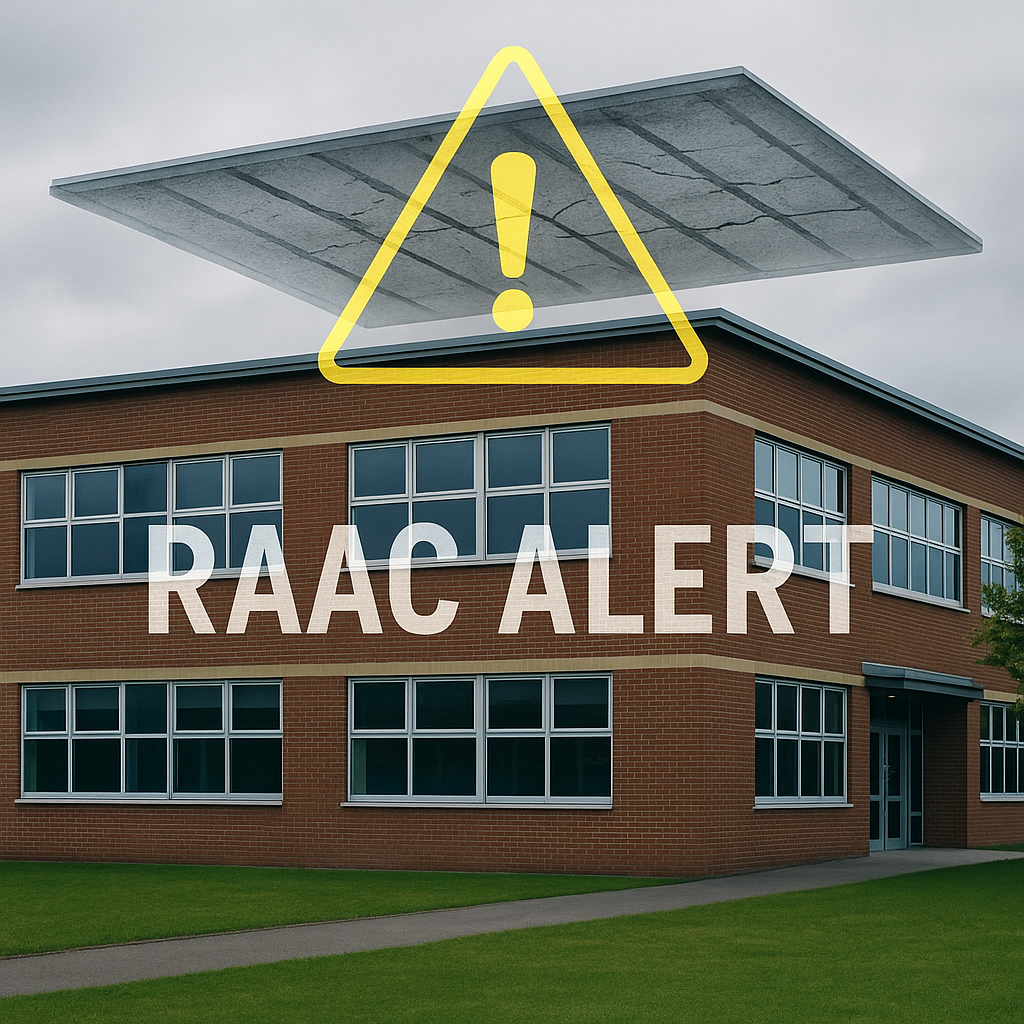
The news is alarming and constant. RAAC now closes or limits UK schools. This issue has created chaos in education. Therefore, we must study RAAC Building Safety Act compliance. What started small is now huge. Furthermore, this shows a major structural risk in public buildings. Parents, teachers, and students face immediate chaos. However, for safety experts, this reveals a troubling double standard. This problem affects what “safety” truly means in the UK today.
At the heart of this is one question: Does the government’s slow fix for the “RAAC time-bomb” meet the tough safety rules of the Building Safety Act? The Act forces strict rules on landlords. Therefore, simply put, are children less protected in schools? This is the concern compared to flat owners who get stronger legal protection. The evidence shows a clear problem. This becomes clear when we look at the Building Safety Act.
The RAAC Crisis: Why Waiting Years Is Dangerous
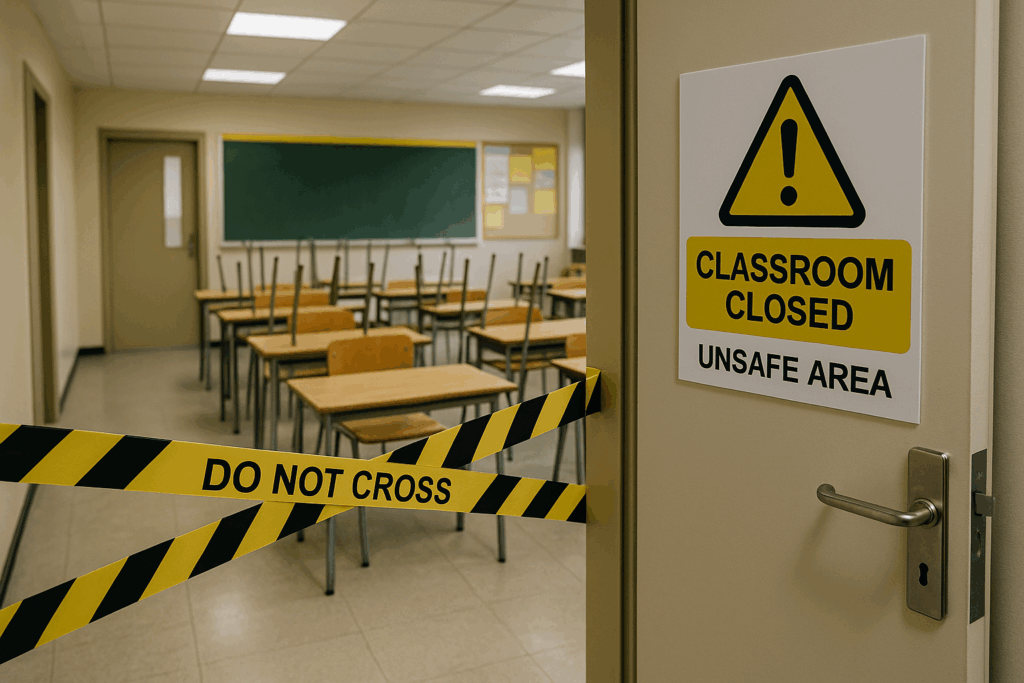
RAAC is a light, foamy concrete. Specifically, builders used it often from the 1950s to the 1990s. People once saw it as cheap and new. However, today, experts call it a major risk. Its lifespan is short compared to normal concrete. It can fail suddenly and completely. Therefore, having it in roofs is a direct danger.
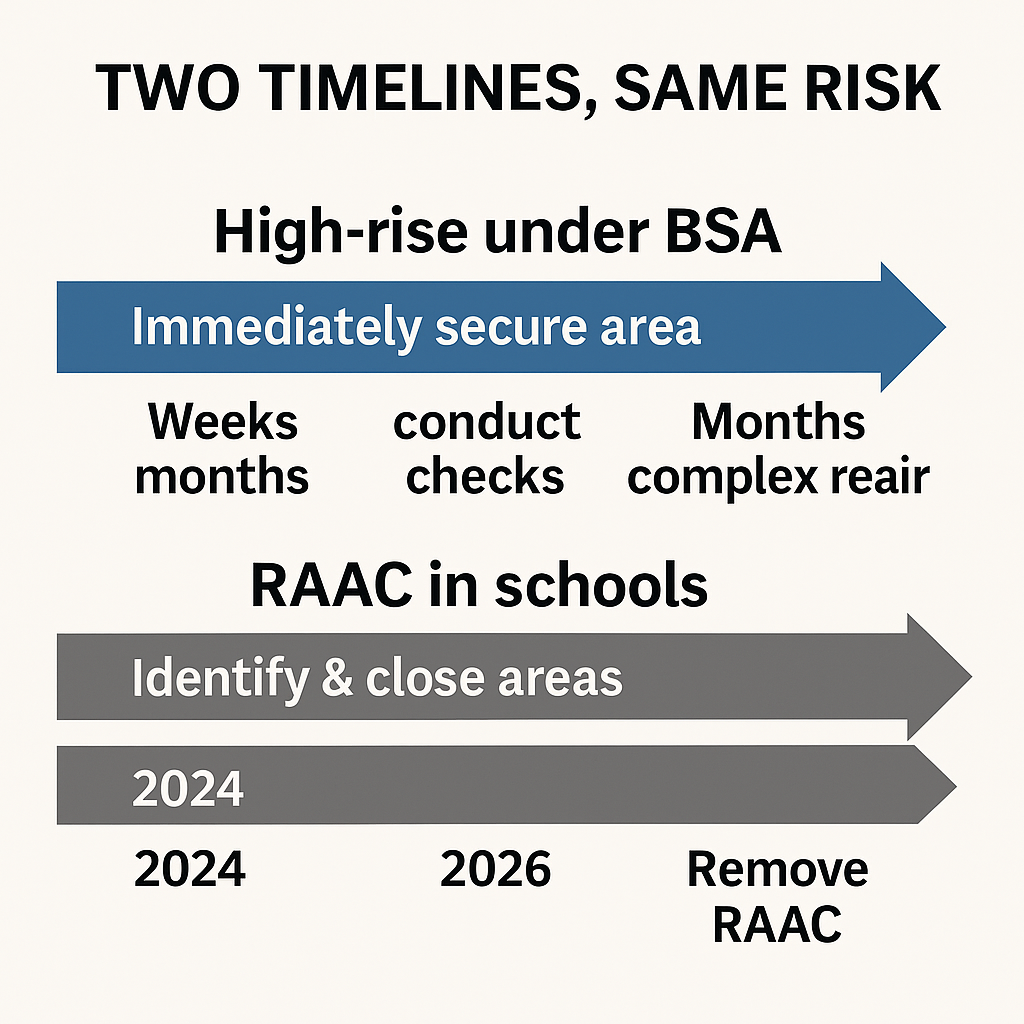
When the scale of the RAAC problem became clear in late 2023, the government acted. Indeed, they decided to find and close dangerous areas. This was a necessary and quick safety step. Yet, the later plan suggests the problem needs “years” to fix. Estimates show removal could take until 2030 or longer. This long timeline for repair sharply clashes with modern safety law. Specifically, it conflicts with the “reasonably practicable” standard set by the Building Safety Act.
RAAC’s Threat: Sudden Collapse
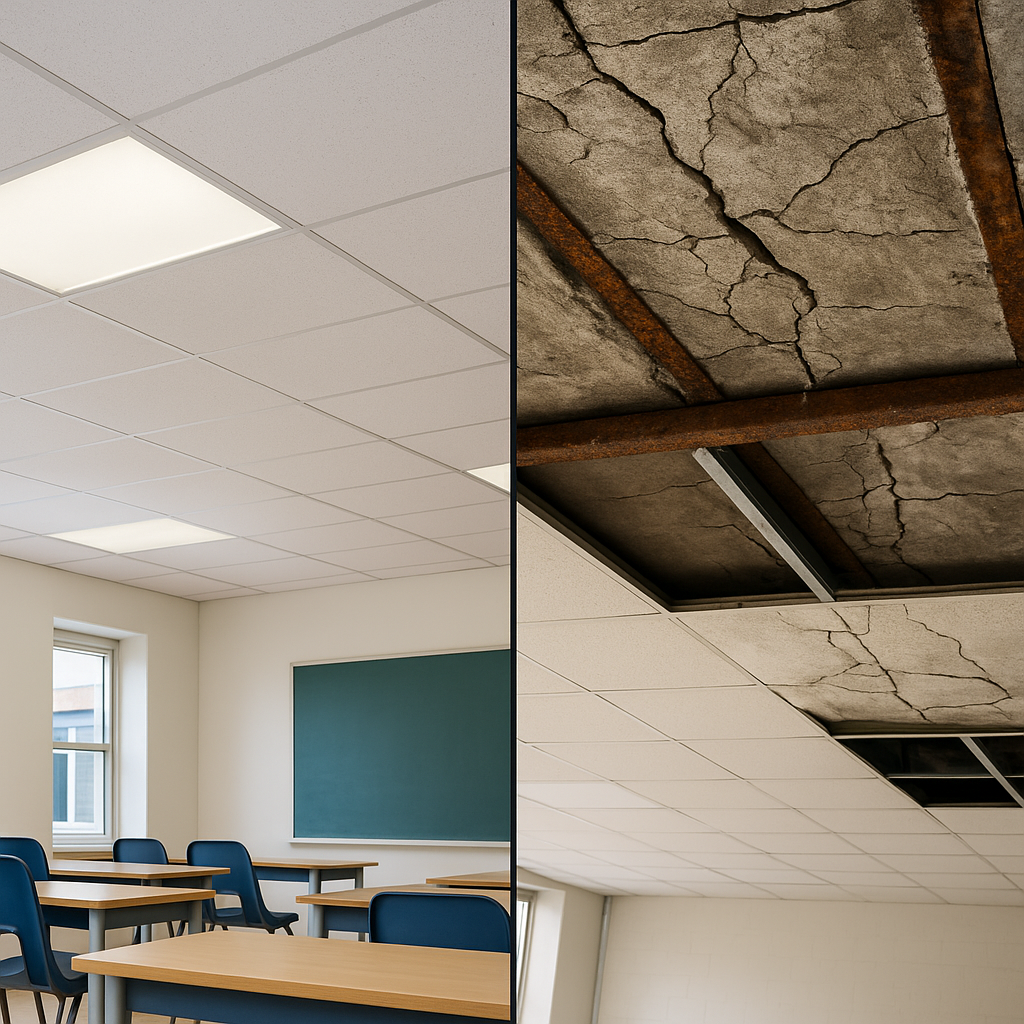
RAAC’s risk is its failure mode. It can fail suddenly without warning. Thus, this high risk makes the urgency vital. This is not just old age. Instead, it is a structural clock ticking. Moreover, this threat must guide all repair plans.
The BSA Rule: Urgent Action Is “Reasonably Practicable”
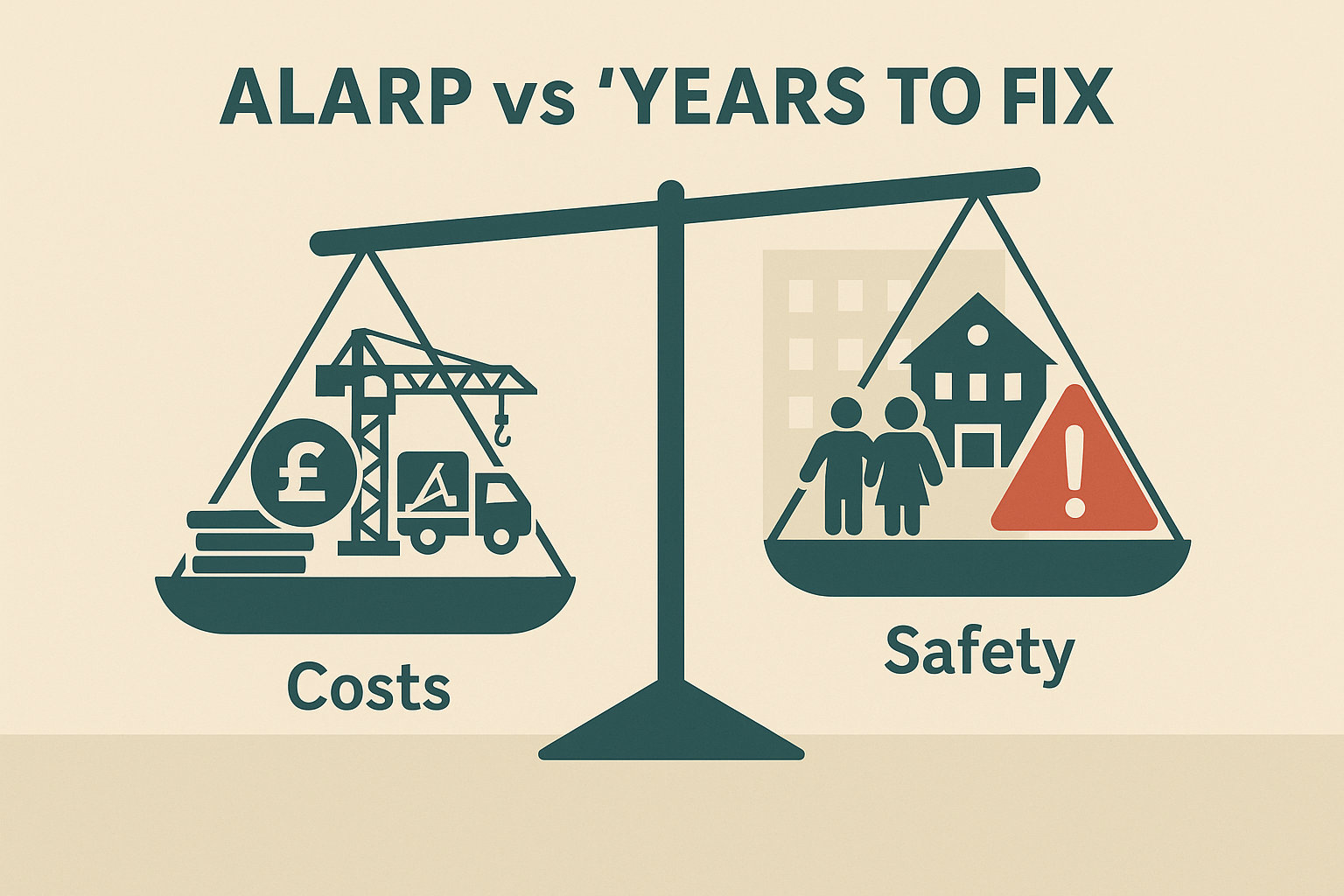
“Reasonably practicable” is the main idea in UK safety law. As a result, we call it “as low as reasonably practicable” (ALARP). Dutyholders must take every step to lower risk. This is mandatory. The only exception is if the cost (time, money) is hugely higher than the safety benefit. It’s a balance. Critically, it demands fast action to lower risk. It always favors safety first.
Under the Building Safety Act (BSA), lawmakers made this rule much stricter. Furthermore, they apply it to building owners (APs) of tall residential blocks. The Grenfell tragedy created the BSA. That event showed the terrible results when people ignore safety. Hence, the Act forces APs to manage risks actively. They must focus on fire and building structure. Therefore, this is not optional; it is the law.
APs must now find, check, and manage risks fast. They must write a detailed safety case. This proves they did everything “reasonably practicable” to stop a major accident. In addition, if they fail, they face personal legal trouble. The whole system demands speed, accountability, and total safety focus. Moreover, this is especially true for structure risks.
BSA Demands Quick Structural Repairs
The BSA covers structural risks directly. Any building owner finding a RAAC-level structural fault would face immediate checks from the Regulator (BSR). Consequently, the RAAC Building Safety Act standard demands quick risk removal. It forbids scheduling fixes for years.
The RAAC Building Safety Act Test: Comparing Speeds
Now, let’s compare the government’s slow RAAC plan with the BSA’s demands. In summary, this comparison shows the main problem with RAAC Building Safety Act principles.
Imagine a high-rise owner. They find a structural fault as bad as RAAC. This fault is widespread and could cause sudden collapse. Then, would the Regulator accept a “years to fix” plan? Would they let people live there under temporary measures for five years or more?
The answer is definitely no.
Under the BSA, a major structural risk demands fast, strong action. The owner must:
- Immediately Secure the Area: They make the area safe. They add temporary supports. They might even move residents out if the risk is high. Indeed, some schools did this quickly.
- Conduct Fast Checks: They hire structural engineers quickly. They check the whole problem fast.
- Develop Quick Repair Plans: They present a plan for permanent repair. This must happen in weeks or months, not years. Clearly, this shows safety is the top priority.
- Secure Urgent Money: They must find or provide money fast for these urgent fixes. This could use reserve funds or quick loans.
- Face Legal Action for Delays: They face fines, or even jail, if they delay. This occurs if they failed to act completely and fast. This proves they did not do everything “reasonably practicable.”
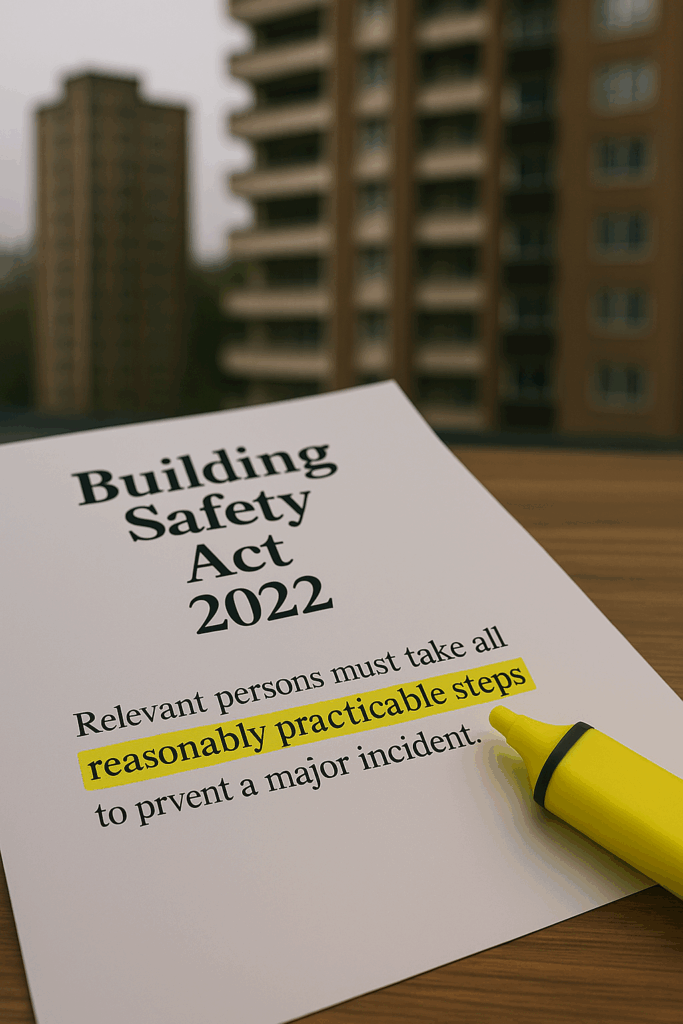
The BSA’s language is direct. “Relevant persons must… take all reasonable steps for the purposes of preventing a major incident.” Crucially, the law never says “take years” when facing a clear, deadly structural fault. Therefore, the urgency under the RAAC Building Safety Act rule is absolute.
Why Slow RAAC Fixes Break the Safety Rule (ALARP)
Allowing a failure risk like RAAC to stay for years is not okay, regardless of the cost. Consequently, this slow timeframe fails the core ALARP principle. The benefit (saving lives) is worth far more than the cost of rapid repair. In conclusion, accepting a long RAAC fix time goes against the entire goal of the Building Safety Act.
Different Safety: Children vs. Flat Owners
This comparison leads to a very hard truth. The government sets a tough safety rule (“reasonably practicable”) for people living in tall blocks. These buildings have families, sometimes children. Why, then, does it use a much slower, long-term rule for its own property? Specifically, this happens with schools, where children spend their days.
Do we quietly accept less protection for our children in schools? The money and logistical problems of fixing RAAC are huge. But safety law does not let cost override a clear risk to life. Furthermore, the ALARP principle forbids letting deadly risks remain for “years.” Thus, this slow response shows a major flaw in safety rules across the country.
The cost of moving students and finding new classrooms is massive. The cost of quickly fixing RAAC in thousands of schools is staggering. However, the cost in the safety rule is weighed against the benefit. The benefit is preventing collapse and death. As a result, when lives are at stake, the acceptable high cost for fixing the issue becomes necessary.

Accountability: AP vs. Government
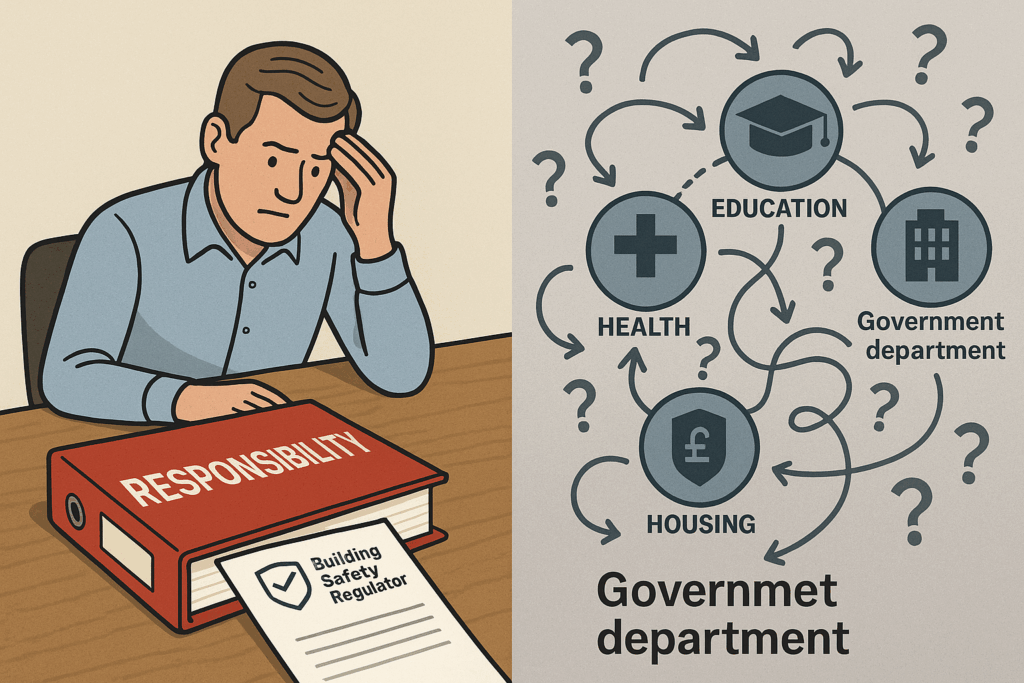
The difference in accountability is shocking. A private flat owner (AP) faces personal legal trouble for slow structural fixes. Conversely, the responsibility for the long RAAC timeline is spread across many government groups. It avoids the single, clear focus the BSA demands. Ultimately, the lack of one clear RAAC Building Safety Act dutyholder is highly visible here.
Making RAAC Safety Rules Match the BSA
The BSA created a new safety culture. It demands a “golden thread” of information and constant checks. However, this culture seems missing in the wider RAAC response. The lack of a fast, clear plan, and the “years to fix” claim, suggests the government uses a looser safety rule for itself.
To make the RAAC response follow the “reasonably practicable” rule, we must make changes:
1. Faster Repair Times Are Needed
We must stop the “years to fix” talk. Instead, we need an emergency national program, like a massive project. Moreover, this needs big government spending. This is necessary to buy materials and hire contractors quickly. The goal is to finish RAAC removal in months, not years, in all occupied schools.
2. Clear Risk Checks Must Be Public
The government should publish a clear, public plan for RAAC risk in schools. This should show how they manage risk to students during the fix time. Furthermore, it must clearly define “reasonably practicable” here, including temporary measures.
3. Safety Rules Must Be Equal
The government needs to state clearly that all buildings have the same safety rules, no matter who owns them. Children’s safety in a school should not be judged less strictly than a flat owner’s safety. Thus, the rules of the RAAC Building Safety Act must be applied to everyone.
4. Ensure Clear Responsibility
Just as APs face trouble under the BSA, we must find clear responsibility and accountability in government. This is essential for a fast and safe end to the RAAC crisis. In addition, we need constant, strong spending on training safety experts. In fact, the RAAC crisis shows that skilled structural safety experts are vital assets that we must support.
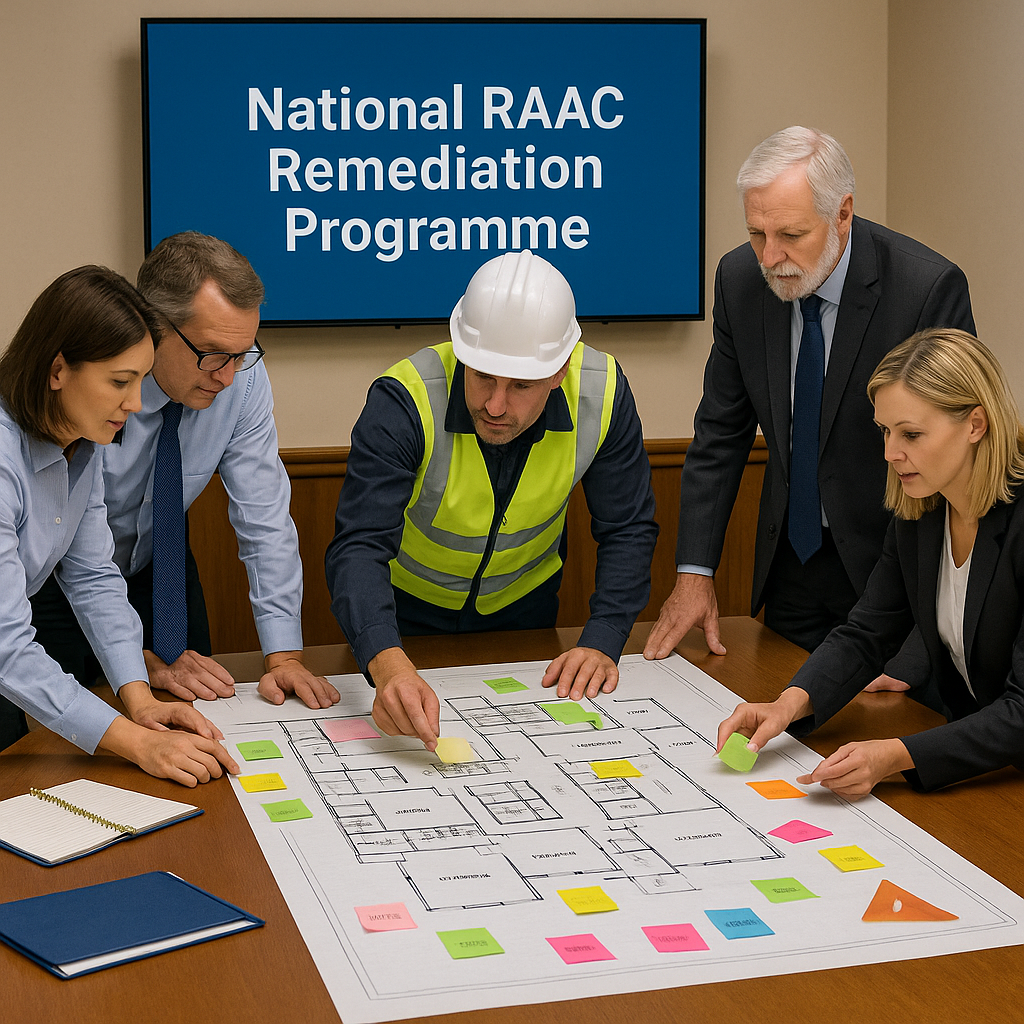
Conclusion: The Need for Equal Protection
The RAAC Building Safety Act time bomb in our schools is more than just a big task. Rather, it is a moral test of our commitment to safety. The government, using the Building Safety Act, correctly set a high bar for safety in tall homes. It demands fast, active, and accountable action from owners.
To then allow a slow, “multi-year” fix for a deadly structural risk in schools creates a conflict. Specifically, it shows a tiered system of protection. The speed of the fix depends on budget, not the danger itself.

For our children’s sake, and for the entire safety system, we must fix this difference fast. Safety standards must be the same for everyone. Consequently, the law must demand the same fast action to protect all people. This is true whether they are flat owners or primary school children. Anything less betrays our safety promises. It is a dangerous chance with vulnerable lives. Therefore, we need immediate action, not just words, to defuse the RAAC time bomb.