Your guide to successful Building Safety Communication
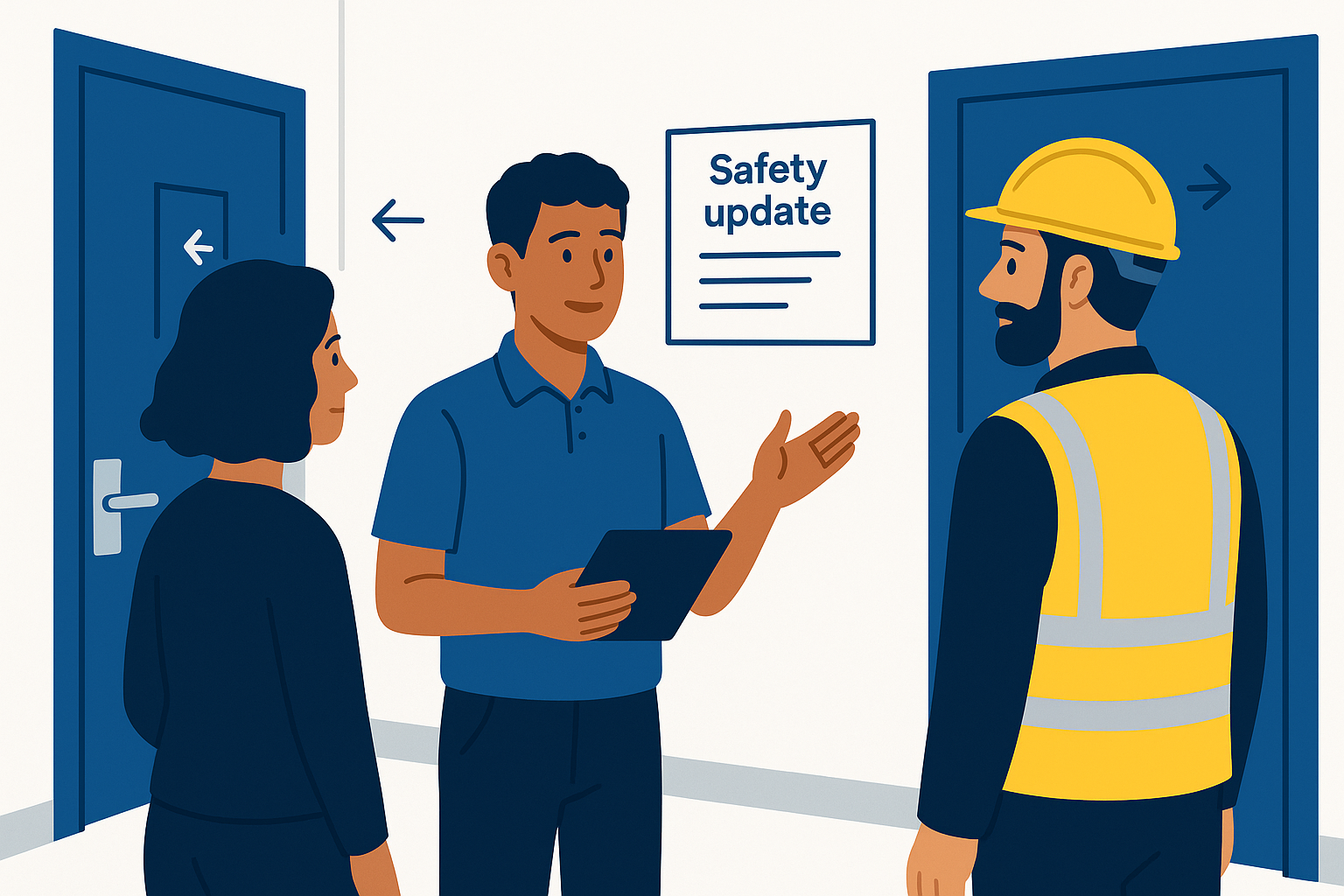
This guide is for 16–24-year olds beginning their journey in building safety, housing, facilities, or construction support roles. Successful Building Safety Communication is fundamental to keeping people safe, reducing conflict, and creating clean, auditable records. Consequently, this guide focuses on the practical communication skills you need. Specifically, you will learn to speak in Plain English, respond to resident concerns with empathy and structure, work confidently with contractors, and produce tidy notes, photos, as well as trackers that stand up to review.
Section 1: The Essentials
Who This Guide Is For
You enjoy working with people and want to be useful on day one. You may also be on a T Level, apprenticeship, graduate scheme, or a junior role supporting building safety. Therefore, you want the confidence to speak clearly, the discipline to record facts, and the judgment to escalate problems early.
What You Will Learn about Effective Building Safety Communication
- Plain English Communication: Clear words, short sentences, and zero jargon when talking with residents and non-technical colleagues.
- Handling Resident Concerns: A simple structure for listening, explaining, and closing the loop with empathy.
- Contractor Basics: RAMS, sign in, permits to work, and defect reporting so work proceeds safely and evidence is captured.
- Templates Toolkit: Meeting notes, photo evidence checklist, action tracker, and short updates that are easy to scan and audit.
- Portfolio And Progression: How to turn your notes and checklists into a credible early career portfolio.
Why Communication Is a Core Building Safety Skill
Good Building Safety Communication prevents incidents. First, it stops misunderstandings. Next, it avoids unsafe shortcuts. Finally, it builds trust with residents and contractors. Moreover, when something goes wrong, your notes and photos become the evidence that guides decisions. Therefore, you must aim for clarity, accuracy, and respect every time you speak or write.
Section 2: Plain English and Empathetic Communication
Plain English is not “dumbing down.” Rather, it is saying important things so people can act on them. In essence, it is clarity. Furthermore, it is a key element of effective Building Safety Communication.
- Use Short Sentences: Aim for 15–20 words; include one idea per sentence.
- Choose Everyday Words: Say “fire doors” instead of “passive fire protection assets.”
- Explain Necessary Terms: If you must say RAMS, add “risk assessment and method statement” the first time. Otherwise, avoid jargon.
- Prefer Active Voice: Say “We will test alarms on Tuesday” instead of “Alarms will be tested.”
- Chunk Information: Use short paragraphs and bullet points so people can scan.
In summary, structure aids comprehension. - Give Dates And Times: Be precise; say “Tuesday 12 November, 09:30–12:00.”
- Say What To Do: End with a clear instruction or contact point.
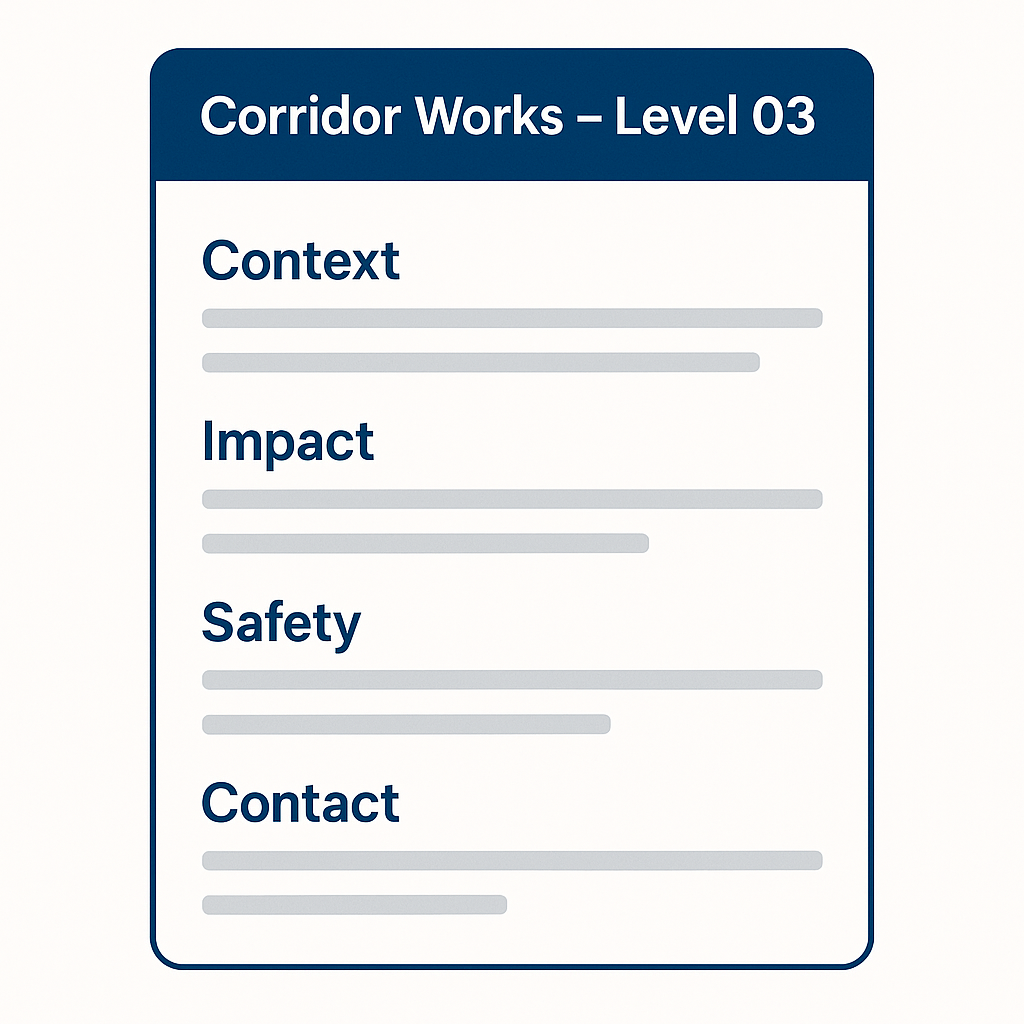
Example — 2 minute corridor briefing
Context: “Good morning. Today we will replace three fire door closers on Level 03.” Impact: “Please use the south stairwell between 10:00 and 11:30 while the north stairwell is checked.” Safety: “Do not wedge doors open. If you see a door that does not close, tell me or security.”
Contact: “Any questions now, or later at concierge. Thank you for your help.” In this case, the message is clear.
Handling Resident Concerns with Empathy (Building Safety Communication)
Residents care about safety, privacy, and disruption. Hence, a calm structure helps you respond well even under pressure. This skill is critical for good Building Safety Communication.
- Listen First: Let the resident speak without interruption; summarise what you heard. Thus, you establish trust.
- Acknowledge Impact: Name the inconvenience or worry; show you understand. Indeed, validation is key.
- Explain Clearly: Say what is happening, why, and how long it will take. Afterward, clarify expectations.
- Offer Choices: Where possible, give options (time slots, alternative routes). Alternatively, offer a call back time.
- Set Next Step: Agree what you will do and when you will update.
- Close The Loop: Record the issue; confirm when it is resolved; thank them. Ultimately, closure is vital.
PACE model (use aloud or in your head)
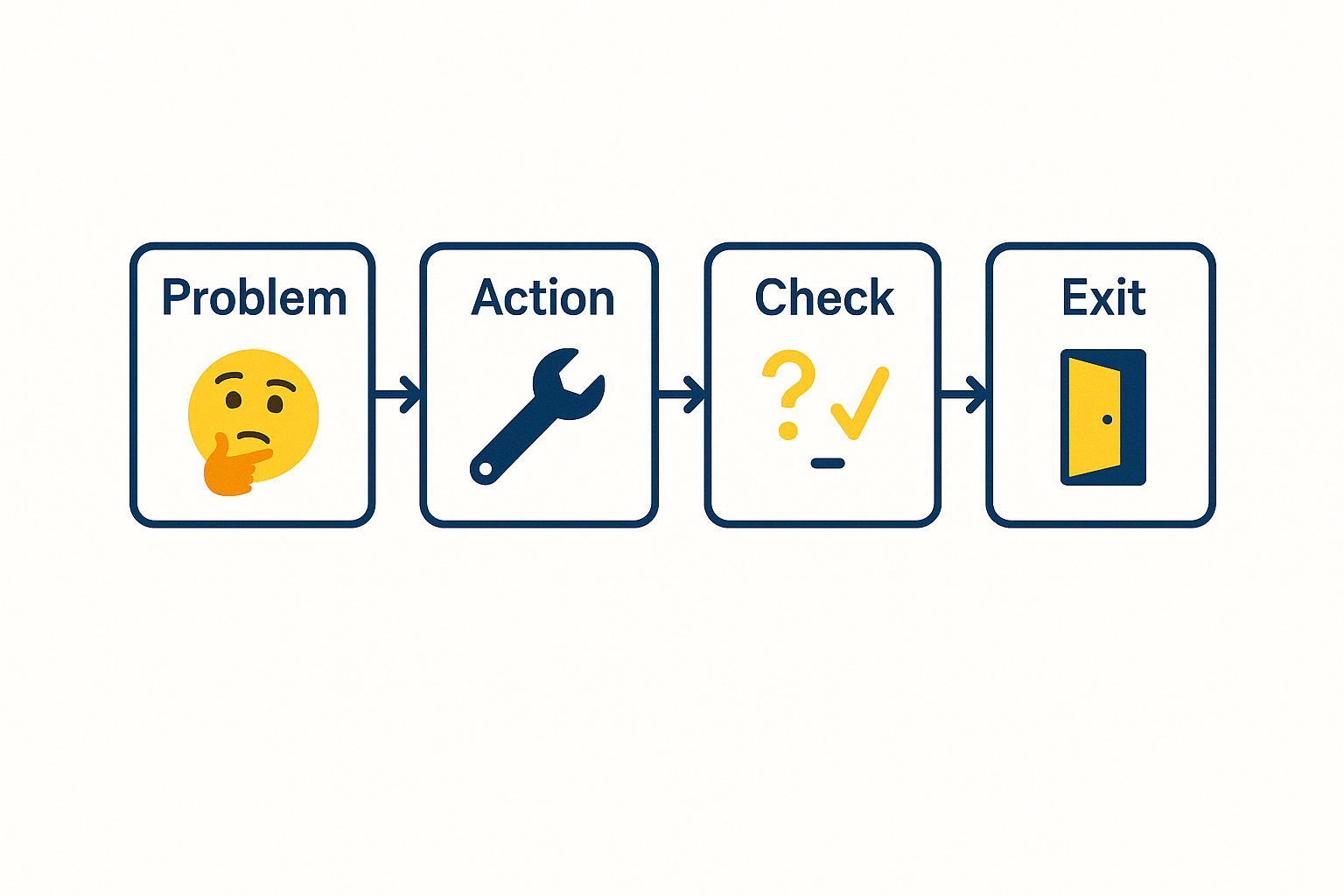
Problem: “You are worried about dust from the works near your flat.”
Action: “We will install extra sheeting today and clean the corridor at 16:00.”
Check: “Would that reduce the issue for you?”
Exit: “I will check in with you after the clean. If it is not better, we will escalate.”
In short, this model manages expectations.
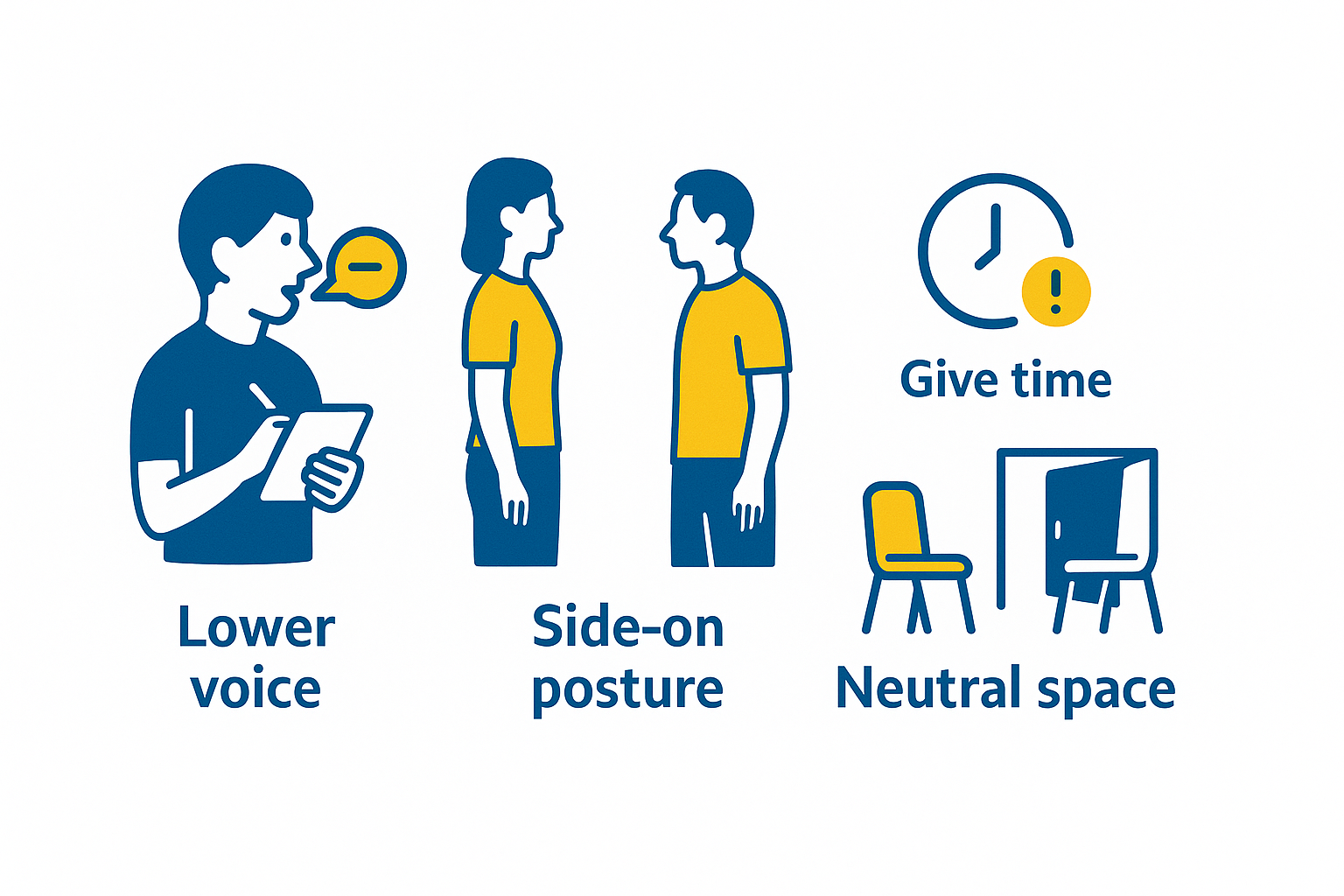
De-escalation Tips
- Lower Your Voice: A calm tone invites calm replies. Conversely, shouting raises tension.
- Stand Side On: A non confrontational posture reduces tension.
- Give Time: Silence can help a person feel heard. Furthermore, it provides a moment to think.
- Offer A Seat Or Neutral Space: Move away from crowds if appropriate. Otherwise, tension may increase.
- Know When To Escalate: If abuse or risk escalates, end the conversation and follow procedure.
Section 3: Contractor Coordination and Building Safety Communication
When contractors work on site, communication keeps everyone safe and leaves a clean evidence trail. Consequently, your involvement is vital. Proper contractor coordination is essential for Building Safety Communication.
RAMS: The contractor’s risk assessment and method statement describing hazards and controls. Generally, you must check this.
Sign In: Confirms who is on site; links to inductions and permits. Therefore, it tracks accountability.
Permits To Work: Extra control for higher risk tasks (hot works, confined spaces, live electrics). Indeed, this is a critical check.
Defect Reporting: The route for reporting unsafe findings or damage, with photos and follow up actions. Always use the official route.
Your Role with Contractors (Building Safety Communication in Practice)
- Check The Basics: Ask, “Have you signed in and completed the site induction today?” First and foremost, site safety depends on this.
- Confirm RAMS And Permits: Ask, “Is your RAMS approved, and do you have the hot works permit issued?” If not, stop the work immediately.
- Control The Area: Ask, “Are barriers and signs in place so residents can pass safely?”
- Record Evidence: Take photos of set up, works progress, and completion; log any issues. Thus, you capture facts. Also, document the date and time.
- Report Defects: Use the tracker; assign an owner and due date; link photos and RAMS reference. Specifically, traceability is key. Your effective Building Safety Communication ensures accurate defect logs.
Permit flow (simple walkthrough)
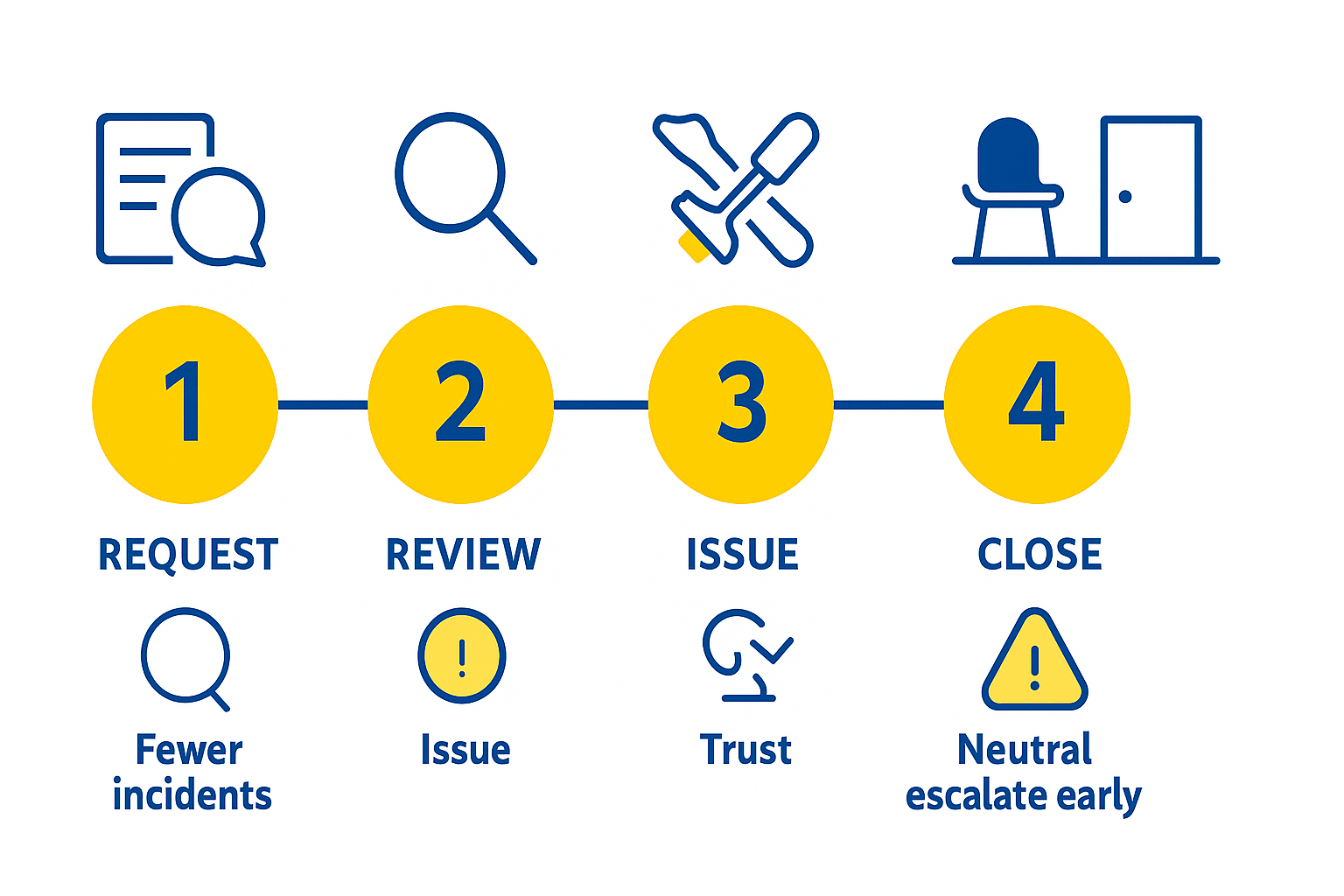
- Request: Contractor submits permit application with RAMS and dates.
- Review: Authorised person checks controls (e.g., fire watch, isolation). In effect, they are verifying compliance.
- Issue: Permit is signed, displayed at the work front, and time limited. Beforehand, ensure all conditions are met.
- Work: Contractor follows RAMS; spot checks confirm controls are in place. If controls fail, stop work immediately.
- Close: Work area made safe; permit closed; completion photos; records filed.
Section 4: Documentation and Audit Ready Building Safety Communication
Templates make your work fast, consistent, and auditable. Therefore, use the formats below as your starting point. These templates are practical tools to enhance your Building Safety Communication.
Meeting Notes Template (Residents Or Contractors)
Meeting Title: Corridor Works — Level 03 Date/Time/Location: 12 Nov, 10:00–10:20, Level 03 Lobby Attendees: BSM Assistant (you), Contractor Lead, Residents (5)
Purpose: Explain door closer replacements and safe routes. Practicing Building Safety Communication in meetings is vital.
Key Points:
- Works Window: 10:00–11:30, short holds near flats 301–306. For example, drilling noise will be brief.
- Safe Routes: South stairwell signed and open.
- Noise/Dust: Drilling for two brief periods; vacuum extraction used. However, dust is minimized.
- Resident Questions: Access for deliveries; reassurance on door security. Furthermore, record all queries fully.
Agreed Actions:
- Contractor: Provide door wedge bins at both ends; confirm fire watch at 10:00. In addition, remove debris promptly.
- You: Deliver notice to 301–306; check corridor clean at 16:00.
- Next Update: 12 Nov, 16:15, concierge notice and resident follow up. Consequently, the loop is closed.
Short Update (Resident Or Staff Notice, ≤150 Words)
Title: Corridor Works — Level 03, Tuesday 12 November, 10:00–11:30
Body: “We are replacing three fire door closers on Level 03. During this time, please use the south stairwell while the north stairwell is checked. Doors should not be wedged open. If you see a door that does not close fully, tell concierge. We will clean the corridor at 16:00. Thank you for your patience while we complete essential safety work.”
As a result, residents are fully informed.
Contact: Concierge number or email
Photo and Action Tracking for Building Safety Communication
Photo Evidence Checklist
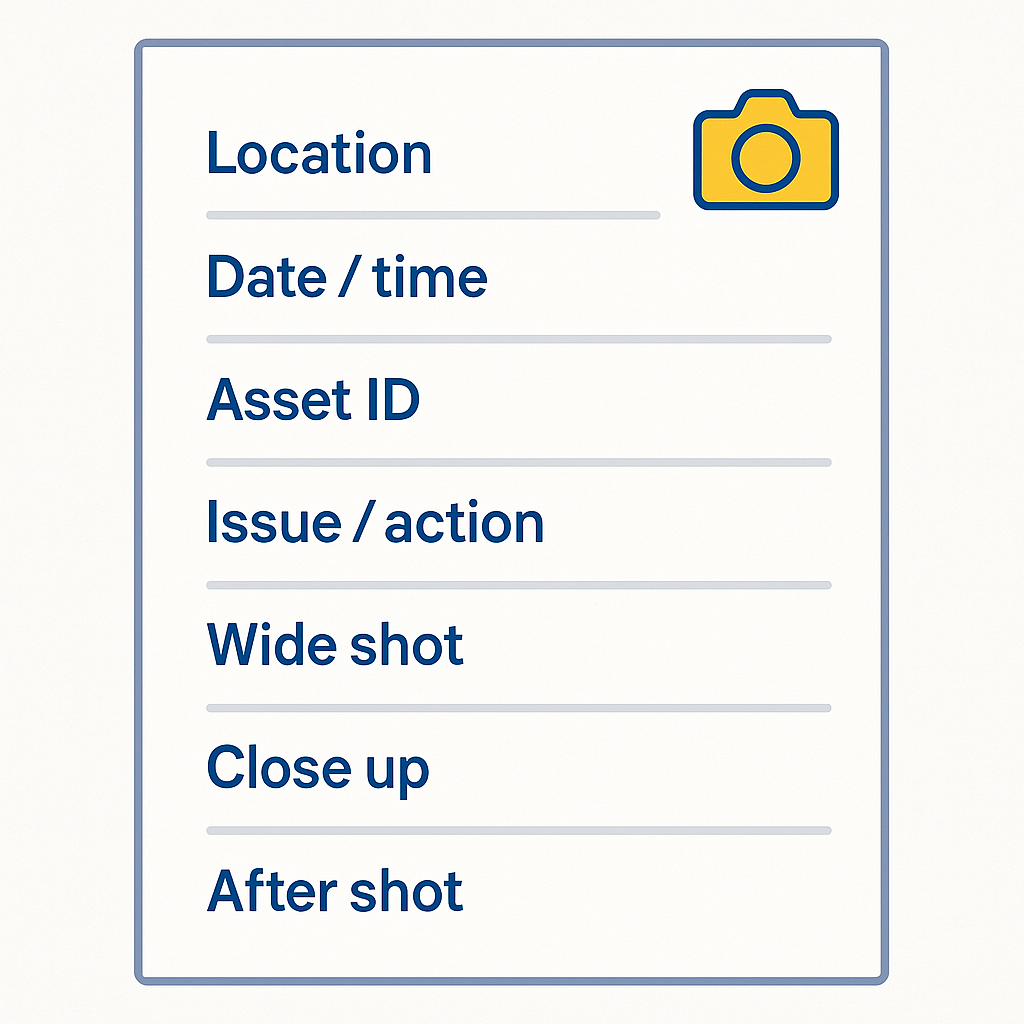
- Location: Building, floor, core, room. Always be specific.
- Time/Date: 24 hour time; ISO date.
- Asset ID: Door set, valve, panel reference.
- Issue/Action: What is wrong or what was done.
- Wide Shot: Shows context and route.
- Close Up: Shows detail and label. Furthermore, ensure clarity.
- After Shot: Shows fix or temporary control.
- Caption: One line in plain English linking to action ID. Therefore, the image is traceable. Good Building Safety Communication includes perfect captions.
Action Tracker Columns
- Action ID: Unique code (e.g., L03-FD-001).
- Building/Location: As above.
- Asset ID/System: Door number, panel, plant item.
- Description: Short, specific issue.
- Risk Band: High/Medium/Low with simple rules. Hence, prioritize work accurately.
- Owner: Person or contractor.
- Due Date: Realistic and agreed. Moreover, stick to the deadline.
- Status: Open/In progress/Closed/Deferred (with reason). In this way, progress is tracked.
- Evidence Link: Photo, certificate, or RAMS reference.
- Note: Decisions, access issues, next review date.
Documentation Hygiene And Traceability (Building Safety Communication)
Your records must show what happened, when, and why. In addition, keeping records tidy proves you understand the process. Effective Building Safety Communication demands strong documentation.
- Consistent File Names: YYYY-MM-DD_Building_Location_DocType_v01. Otherwise, files get lost.
- Captions And Links: Each photo links to an action; each action links to a photo or certificate. Consequently, audits are simple.
- Version Control: Draft (v00), revisions (v01, v02), final on sign off only. Similarly, never skip this step.
- Privacy: No resident names or photos; blur flat numbers if visible. Remember, data protection is critical.
- Storage Discipline: Use approved folders; avoid personal drives; never share local paths.
Section 5: Professional Conduct and Career Development in Building Safety Communication
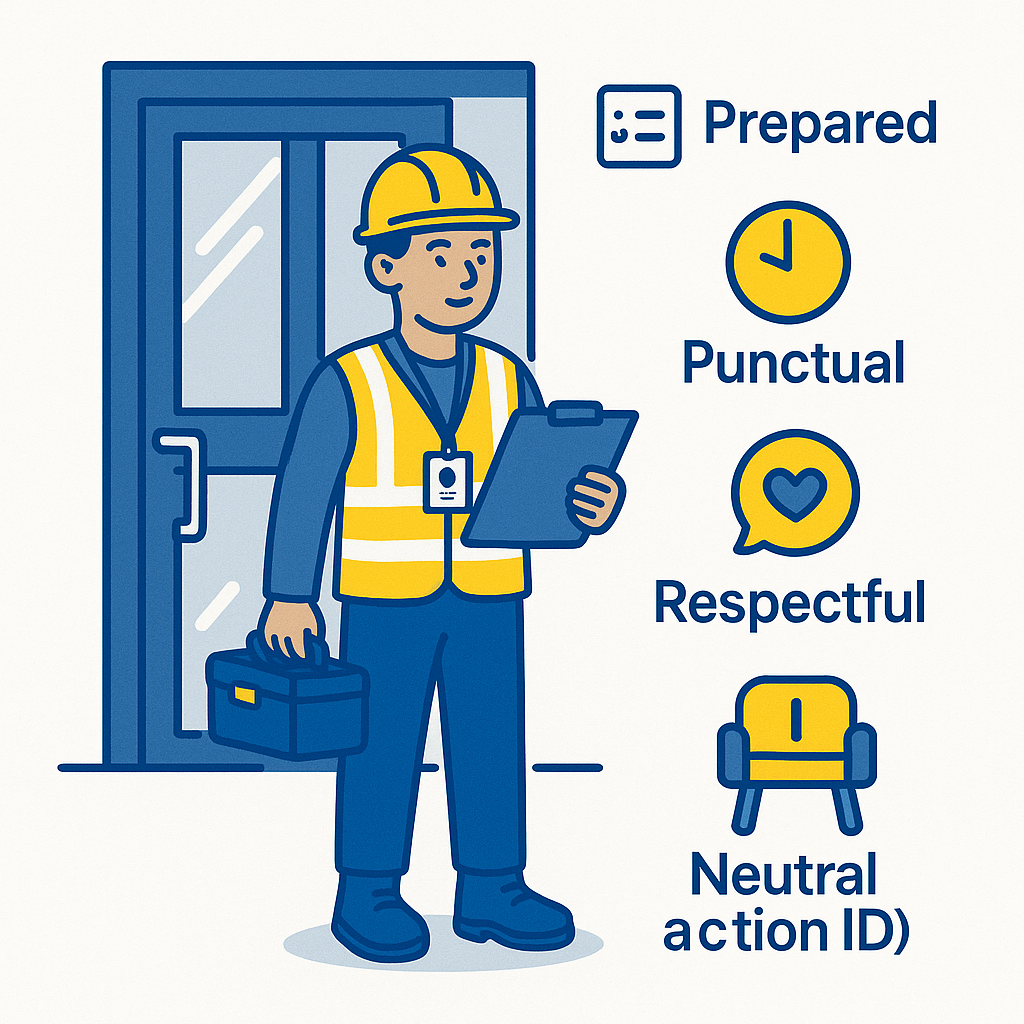
Professional conduct builds credibility fast. Therefore, always prioritise respect and compliance. Moreover, demonstrate reliability through your actions. Furthermore, strong Building Safety Communication is central to professionalism.
- Arrive Prepared: PPE, notebook, checklist, names of contacts. Prior to this, check the site conditions.
- Be Punctual: Respect residents’ and contractors’ time. Similarly, value your own time.
- Speak Courteously: Use a calm tone; thank people for their cooperation. In general, maintain civility.
- Keep Routes Clear: Do not block exits or wedge fire doors.
- Know Your Limits: Do not operate plant or isolate systems unless trained and authorised. Above all, safety comes first.
- Report Early: If you see a serious hazard, stop work and escalate at once. Immediately, follow the emergency protocol.
Shadowing and Learning Scenarios for Building Safety Communication
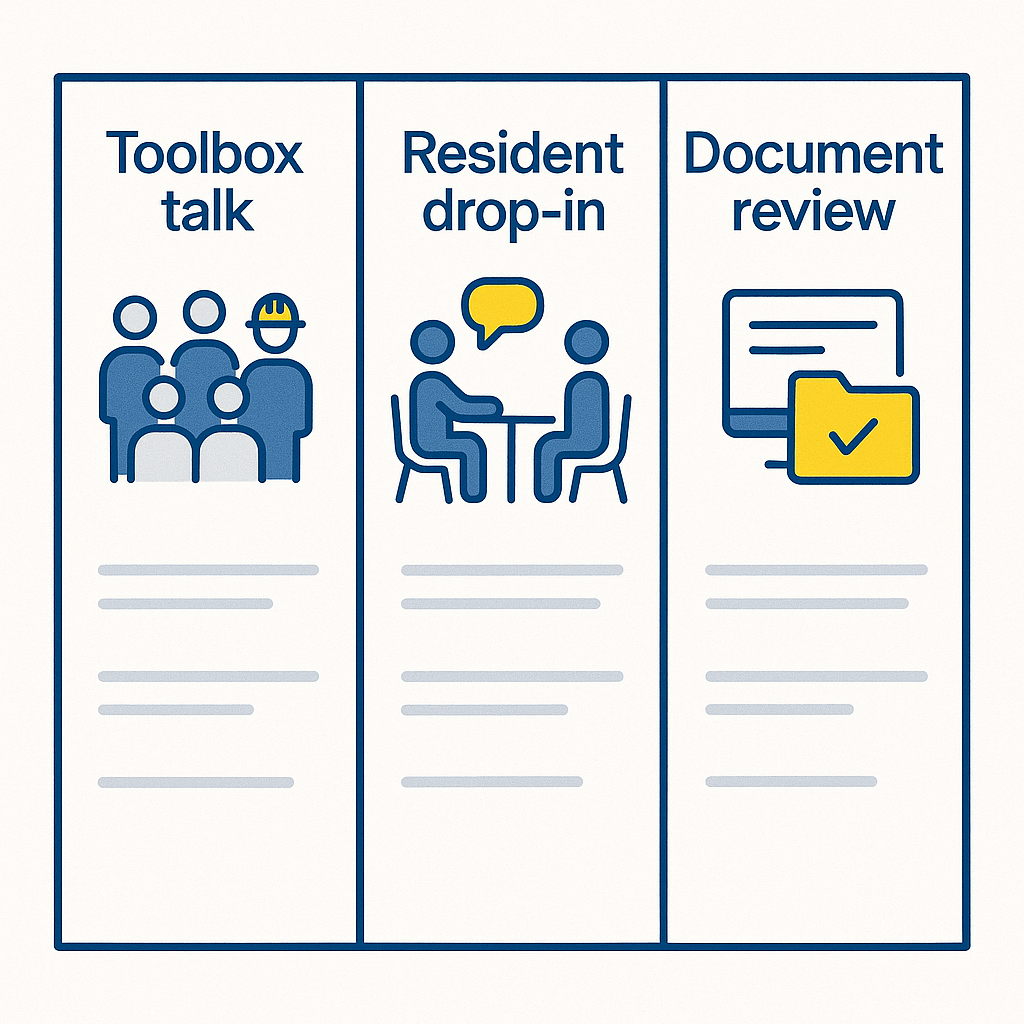
Shadowing is training. Therefore, plan it, do it, and write it up. This will refine your Building Safety Communication.
Toolbox Talks:
- Aim: Learn one control you can check in the field.
- Record: Topic, three controls, action you will take this week. For instance, checking barrier positioning.
Resident Drop Ins:
- Aim: Understand concerns and improve messaging.
- Record: Top three questions; your 150 word notice draft; feedback.
Document Reviews:
- Aim: Improve evidence quality.
- Record: Three file name fixes; two missing dates added; one action reconciled to a photo. Hence, you document improvements clearly.
Add each shadowing entry to your logbook with date, person shadowed, and outcomes. In short, keep meticulous records.
Common Situations And How To Respond (Building Safety Communication)
- Resident Says “You Never Told Us”:
Response: “I understand that is frustrating. We posted notices at lifts and sent an email on Monday. I will deliver a copy to your door now and extend the clean to 17:00. Thank you for telling me.”
However, be sure to verify the notice was sent.
Record: Note the new distribution and time extension in the log. - Contractor Starts Without Permit:
Response: “For safety we need the hot works permit in place before starting. Let’s pause, complete the checks, then proceed.” Under no circumstances should you allow work to continue without the permit.
Record: Time, contractor, work type, and permit number once issued. If necessary, take photographic evidence. - Blocked Fire Door With Wedge:
Action: Remove wedge if safe; explain the risk in plain English; report and record the action; place a door wedge bin nearby if permitted. Alternatively, report the recurring misuse. - Conflicting Instructions On Site:
Action: Stop and escalate to the authorised supervisor; record who said what and the final decision. In essence, follow the clear chain of command.
Building Your Early Career Portfolio using Building Safety Communication
Keep it compact, anonymised, and results focused. Crucially, this demonstrates strong Building Safety Communication.
- Two Meeting Notes: One contractor briefing, one resident drop in.
- Photo Sets: Before/after with captions and action IDs.
- Action Tracker Slice: Redacted rows showing risk, owner, and status. Similarly, include a key that explains the risk bands.
- Short Update Notice: Final version after feedback.
- Reflection Paragraphs: What you learned and what you changed as a result. Finally, this shows growth.
In interviews, open a tracker, click a link, and show the matching photo. This proves you understand traceability. Ultimately, demonstrating process is crucial.
Assessment And CPD
- Monthly Review: Ten minutes with your supervisor to check logs and priorities. Then, agree on the next steps.
- Quarterly Skill Check: Self and supervisor ratings for resident communication, contractor coordination, and documentation hygiene. Furthermore, use this feedback to grow your Building Safety Communication.
- Course Ladder: Start with communication and report writing, then add IOSH/NEBOSH modules as your role expands. Subsequently, you can take more advanced training.
- Practice Loop: Each learning should change one template, notice, or checklist. In fact, continuous improvement is expected.
Career Roadmap and Final Summary
12 Week Roadmap
- Weeks 1–2: Learn notice style, file names, and tracker basics; practise the 2 minute safety update. To begin, focus on fundamentals.
- Weeks 3–4: Attend a resident drop in; write a 150 word notice; obtain feedback; implement one improvement.
- Weeks 5–6: Shadow hot works permitting; photograph the control set up; link evidence to tracker.
- Weeks 7–8: Lead a small corridor briefing under supervision; log questions and outcomes.
- Weeks 9–10: Run a mini “documentation tidy” for one floor; fix names, add missing dates, reconcile actions to photos. Afterward, share your success.
- Weeks 11–12: Assemble your portfolio; review with your supervisor; agree next training step. Finally, you’ll be interview ready, showing refined Building Safety Communication.
Learning Outcomes
- Plain English Communication: You can brief residents and staff clearly and quickly.
- Empathetic Handling: You can structure conversations to reduce conflict and agree next steps.
- Contractor Confidence: You understand RAMS, permits, and the evidence required to proceed safely.
- Audit Ready Records: Your notes, photos, and trackers are tidy, linked, and version controlled.
- Professional Conduct: You follow site rules, respect privacy, and escalate risks early.
First Steps Checklist
- Practise A 2 Minute Safety Update: Rehearse a short briefing for a corridor or stairwell change and ask a mentor to listen. Specifically, time yourself.
- Create A Photo Evidence Checklist: Location, date, asset ID, issue, action, wide shot, close up, after shot, caption.
- Attend One Resident Drop In: Record three learnings, draft a 150 word update, and get feedback.
30 Day Plan
- Week 1: Build your templates folder; practise your 2 minute update; learn the notice style and approval route.
- Week 2: Join a contractor briefing; observe RAMS and permit checks; take set up photos and captions. For instance, photograph the fire watch area.
- Week 3: Attend a resident drop in; write a notice; get edits; publish through the approved channel.
- Week 4: Clean one tracker page; link actions to photos; produce a short “what changed” note and file it.
Final Note
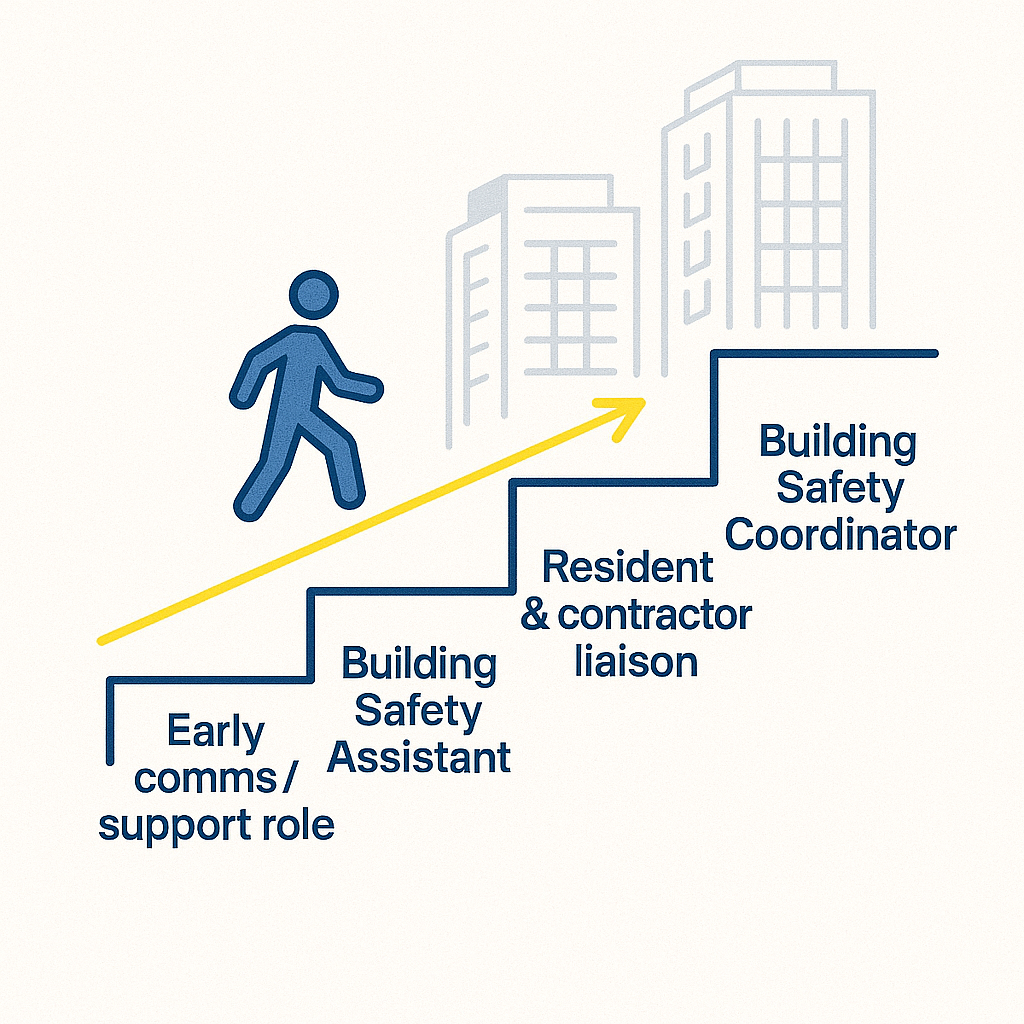
Clear communication is a safety control. In conclusion, when you speak plainly, listen with empathy, and keep complete records, residents feel respected, contractors work safely, and managers can act fast. These habits will mark you out as reliable, professional, and ready for more responsibility. Exactly the qualities that move you towards Building Safety Coordinator and, in time, Building Safety Manager. Furthermore, continual development of Building Safety Communication is key to career growth.