Safety Fundamentals IOSH NEBOSH Fire Basics
Who This Guide Is For
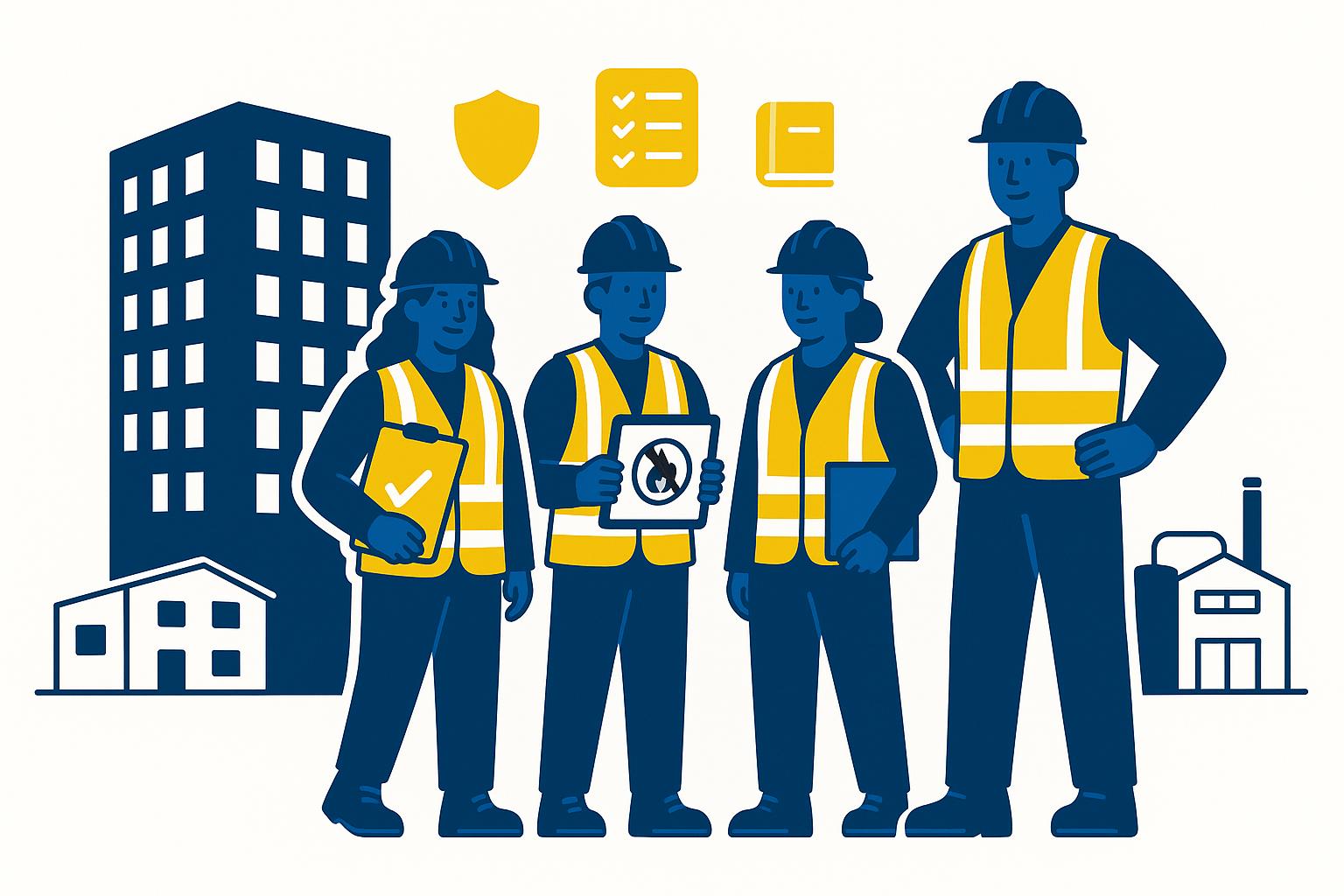
This guide is written for 18–24 year-olds in the UK who are stepping into their first full time building safety role or apprenticeship. It gives you a practical foundation in health and safety. It also explains Fire Basics and fire safety. Therefore, we show how IOSH and NEBOSH fit into your career route. Furthermore, we explain the UK frameworks you will work within every day. You will learn how to spot common site risks. Moreover, you will also understand Fire Risk Assessment (FRA) types. In addition, you’ll learn how to behave safely around plant rooms.
You will also shadow experienced colleagues with purpose. Ultimately, by the end, you will have a clear path toward roles like Building Safety Coordinator and, in time, Building Safety Manager.

You are starting in building safety, facilities, housing, or construction operations. Clearly, you want a clear, structured way to gain competence that employers value. You prefer plain English and concrete steps over theory for theory’s sake. Most importantly, you are ready to build an evidence led portfolio that proves your skills.
What You Will Learn
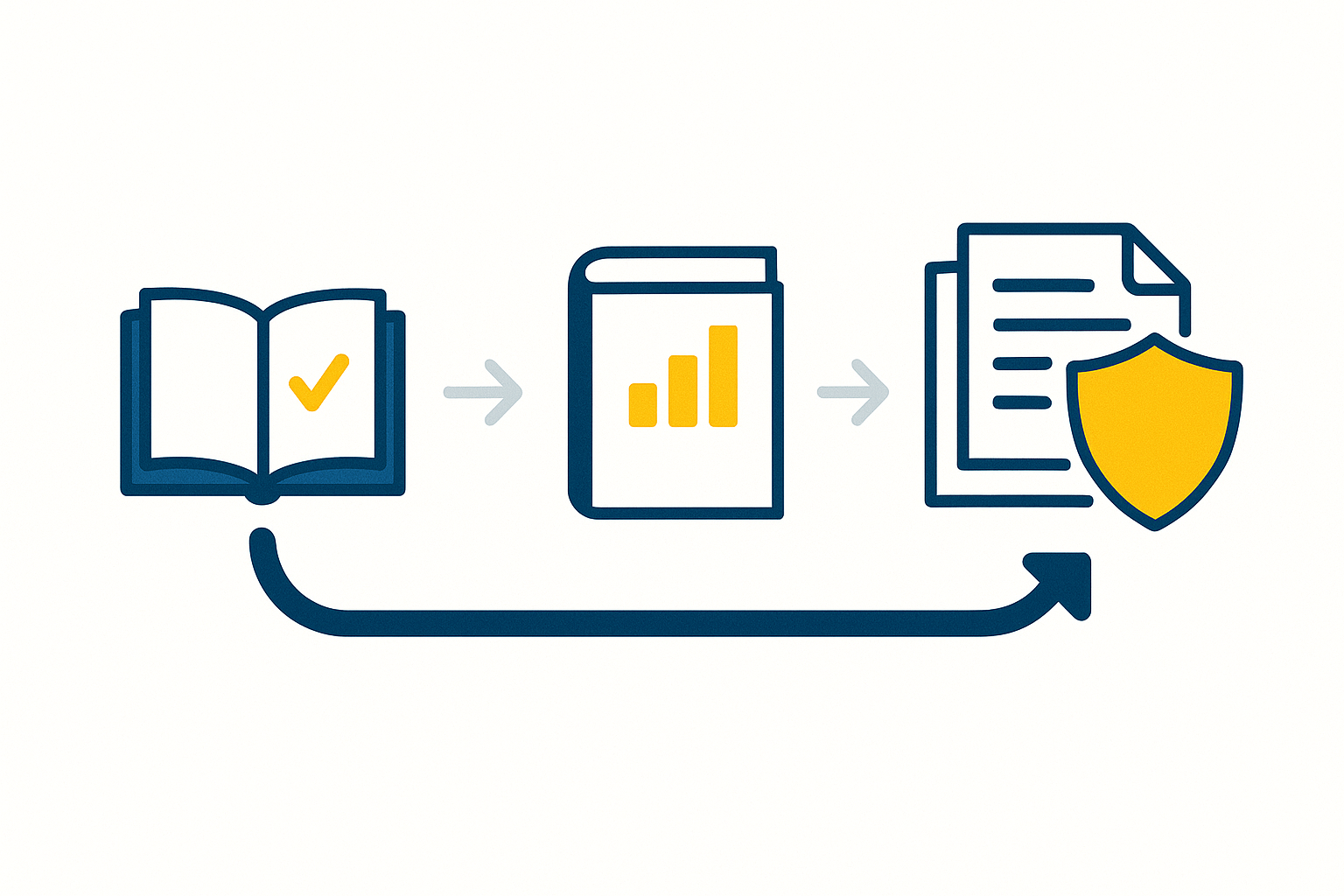
- Qualifications Roadmap: IOSH Working Safely/Managing Safely and NEBOSH General or Fire. Ultimately, we show realistic entry level picks.
- UK Frameworks: Building Safety Act, Fire Safety Order, Safety Case principles, and resident engagement basics.
- Practical Skills: Spotting fire stopping issues, understanding FRA types (1–4), and plant room do’s and don’ts.
- Shadowing With Purpose: Toolbox talks, resident meetings, and document reviews that actually build competence. Likewise, this speeds up learning.
- Portfolio And Progression: A simple evidence pack and a development path to Building Safety Coordinator/Manager.
Why Safety Fundamentals Matter
Building safety is not just policy. Instead, it is daily behaviour backed by reliable evidence. Clear habits prevent incidents. For instance, wearing PPE correctly and recording issues accurately helps a lot. Similarly, using plain English with residents speeds up remediation when issues are found. Because regulators expect traceability, your records must show what you saw, what you did, and what happened next. Learn to do the basics well. Then, you will win trust quickly. Consequently, this leads to more responsibility and faster progression.
Section 1: Qualifications Roadmap: IOSH And NEBOSH for Fire Basics
Start with achievable qualifications. This builds confidence and credibility. Then, step up as your role widens.
- IOSH Working Safely: This is a one day entry qualification. It introduces key hazards, risk controls, and personal responsibility. Therefore, it is ideal for apprentices and juniors who need a quick, recognised baseline.
- IOSH Managing Safely: This takes three to four days. It covers risk assessment, incident investigation, and practical control measures. Thus, it is well suited if you coordinate tasks or support small teams. It shows you can think beyond your own workstation or route.
- NEBOSH General Certificate (NG): This is a broad health and safety qualification. It covers multiple hazard types. It is good for those working across estates, maintenance, or multi-site settings. In short, it gives you a wider view of controls, roles, and compliance.
- NEBOSH Fire Safety Certificate (or Fire Safety qualification): This focuses on fire principles. It covers ignition sources, people risk, compartmentation, means of escape, and fire protection systems. Specifically, it is best for those moving deeper into building safety, FRAs, or remediation projects.
How to Choose Your Fire Basics Training
- If you are new: Start with IOSH Working Safely. Then, plan IOSH Managing Safely within six to twelve months.
- If you support audits or assurance: Add NEBOSH General to widen your risk perspective. Alternatively, consider this qualification.
- If you are fire focused: Prioritise NEBOSH Fire after IOSH. Alternatively, take it in place of NEBOSH General, depending on your role.
- Study approach: Book courses with realistic study time in your work rota. Furthermore, keep notes in a logbook. Indeed, apply learnings to one small improvement on site each week.
Section 2: UK Frameworks: Rules for Fire Basics
These are the rules you work within every day.
- Building Safety Act (BSA): This focuses on higher risk buildings. It demands accountability for safety across design, construction, and occupation. Moreover, you will help maintain accurate records (the “Golden Thread”). Furthermore, you will also contribute evidence that feeds Safety Cases.
- Regulatory Reform (Fire Safety) Order (FSO): This sets duties for the Responsible Person to manage fire risk. Day to day, you will help ensure that FRAs are carried out. In addition, you will track actions and make sure fire protection measures work as intended.
- Safety Case Principles: A Safety Case explains how risks are identified, controlled, and reviewed. It needs evidence to support each claim. Therefore, your records must be accurate, dated, and easy to verify.
- Resident Engagement: Residents must be informed and involved. You need to communicate clearly. Also, respect privacy. Subsequently, log feedback so it informs risk decisions and action plans.
Section 3: Practical Skills: Fire Basics and Site Habits
Spotting Fire Stopping Issues
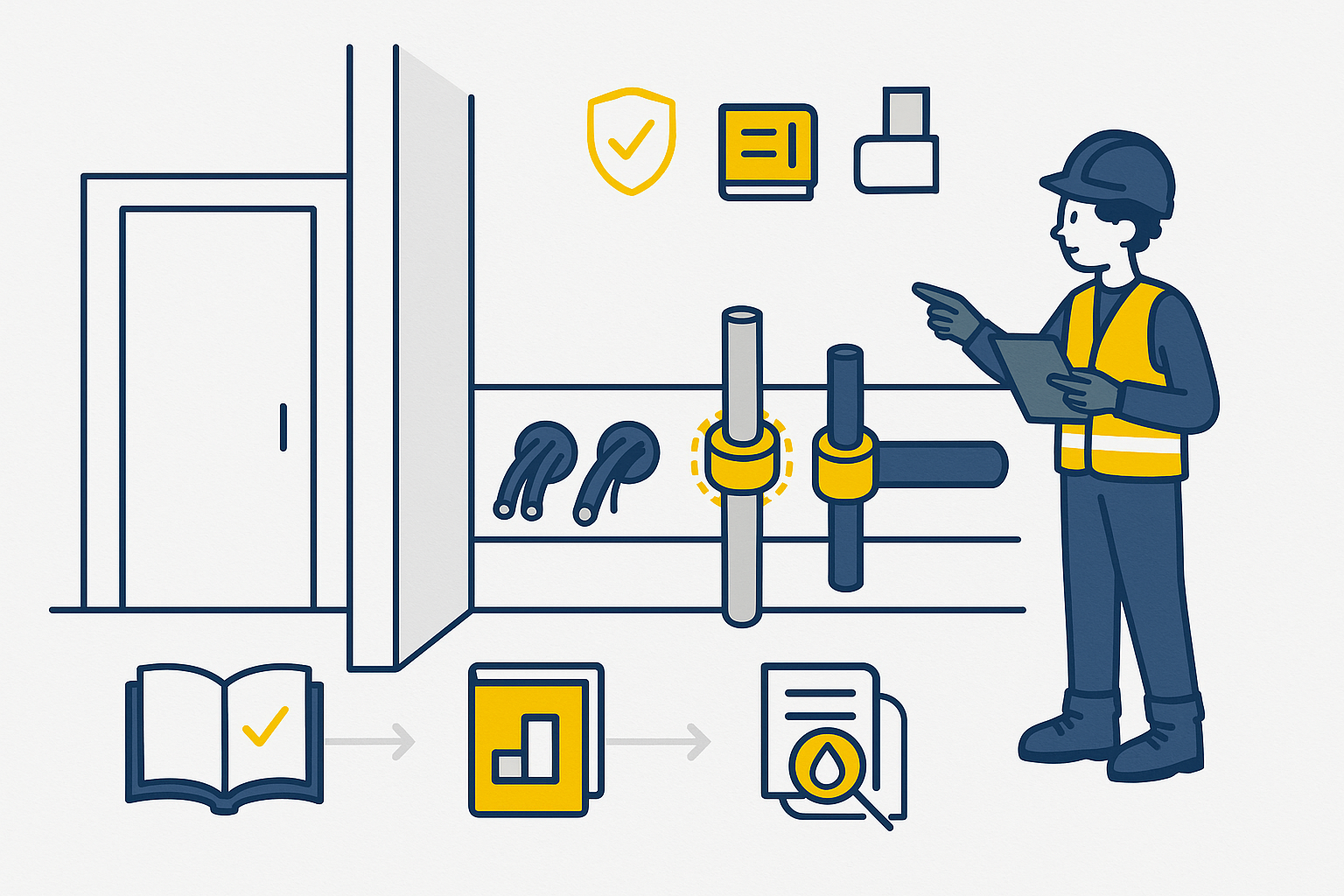
- Penetrations: Look for holes or gaps where cables and pipes pass through walls and floors. Missing or damaged seals compromise compartmentation. As an example, check around risers.
- Junctions: Check where walls meet floors or ceilings, especially around risers and service shafts. Simultaneously, check for visible damage.
- Fire Doors: Observe whether doors self close and latch. Check for intact strips and correct gaps. Equally important, look for doors that are wedged open.
- Ad hoc Alterations: Unauthorised openings, DIY cabling, or removed ceiling tiles near risers often expose weaknesses. Specifically, check above ceiling tiles.
Your role:
- Observe And Report: Use a checklist. Photograph issues without capturing personal items. Record the exact location. Log actions.
- Do Not Self-Fix: Only competent, authorised contractors should carry out fire stopping and certification. Instead, escalate the issue quickly.

Understanding FRA Types (1–4)
- Type 1: Common parts only, non-invasive. This is the most frequent type for occupied buildings.
- Type 2: Common parts, destructive (samples opened). However, this is rare in occupation due to disruption.
- Type 3: Common parts and sample of flats, non-invasive. This gives more insight into escape routes and detection systems. Consequently, it offers more detail.
- Type 4: Common parts and sample of flats, destructive. Clearly, this is the deepest investigation. It typically happens when serious concerns exist.
How you contribute:
- Prepare Access: Ensure the assessor can reach agreed areas safely and quickly. Specifically, check lock boxes and keys.
- Evidence Support: Provide previous reports, action lists, and drawings. Also, take notes of new actions and link them to the tracker.
- Follow Up: Add deadlines, owners, and risk ratings. Chase updates and upload evidence on completion. Finally, ensure sign off occurs.
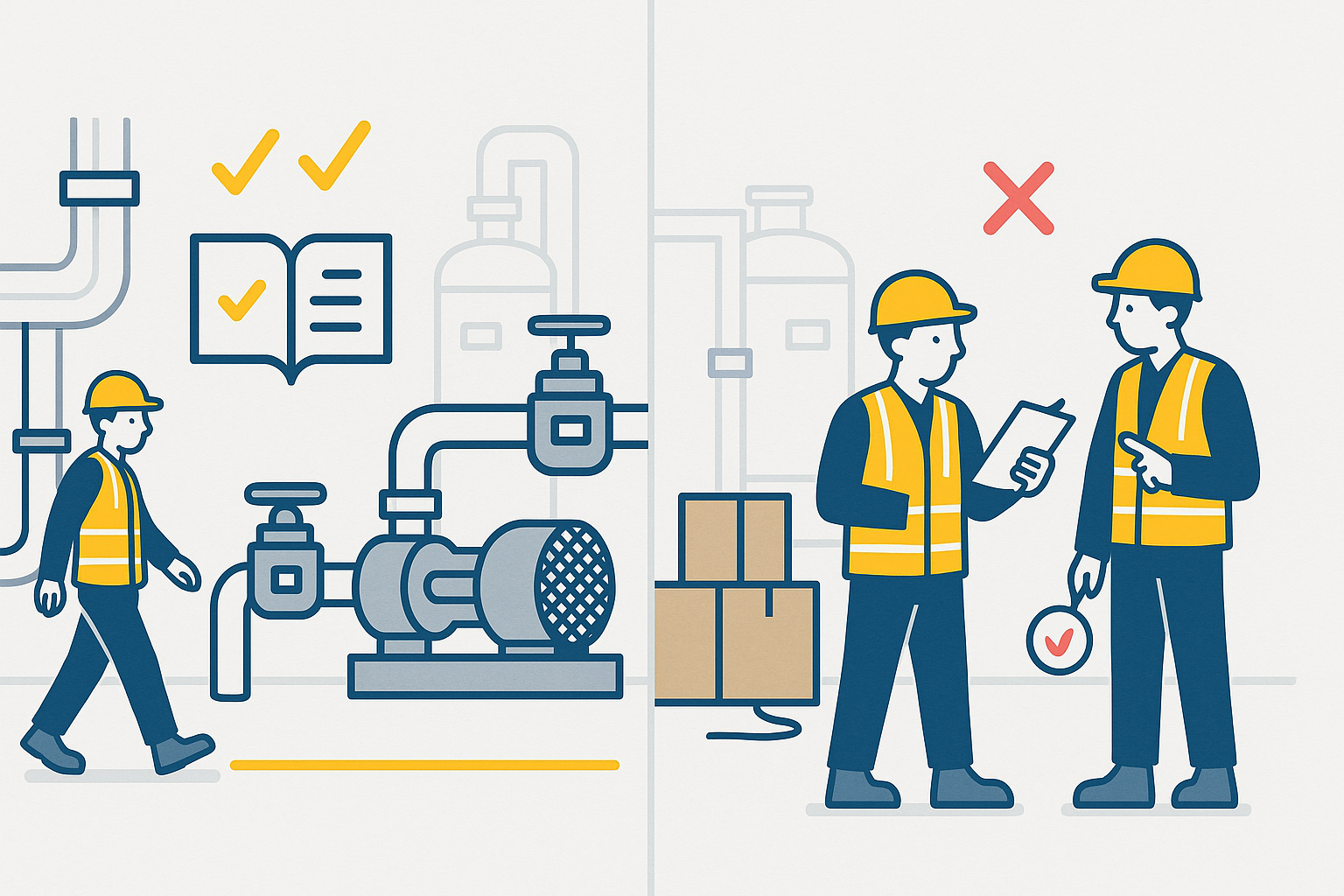
Plant Room Do’s And Don’ts
- Do: Keep routes clear. Label valves and isolators. Check that panels and guards are in place. In addition, report leaks or unusual odours immediately.
- Don’t: Operate controls. Do not defeat interlocks. Do not isolate systems or remove guards unless trained and authorised. Likewise, never store personal items here.
- Housekeeping: Cables should be tidy. Spill kits must be present. Storage must be controlled. For instance, temporary items stacked in plant rooms are a common breach. Record and remove these with authorisation. These plant room checks are part of maintaining Fire Basics safety on site.

Shadowing with purpose: Learning Fire Basics
Shadowing is more than watching. Therefore, arrive with a clear aim, a checklist, and a plan to write up what you learned.
Toolbox Talks:
- Before: Read the topic (e.g., hot works, ladder safety). Initially, prepare any questions you have.
- During: Note three key controls and who is responsible for each. Additionally, note participant engagement.
- After: Suggest one small improvement. For example, suggest a laminated quick guide near hot works permits.
Resident Meetings:
- Before: Understand the purpose (e.g., explaining a new fire door programme). Essentially, know the objective.
- During: Listen for themes: access issues, noise, scheduling, vulnerable residents needing support. Crucially, track resident concerns.
- After: Draft a 150 word note in plain English that answers the top three questions raised. Then, seek feedback on your draft.
Document Reviews:
- Before: Skim last month’s action tracker and the relevant certificates. First, know what you are looking for.
- During: Check dates, naming, and missing evidence. Confirm asset IDs match.
- After: Update the tracker and create a short “what changed” note. Ultimately, review your findings with a supervisor.
Shadowing Etiquette: Turn up on time. Bring PPE and a notebook. Ask short, focused questions. Finally, thank the person you observed. Always share your notes so others can correct and improve them. Consequently, the team benefits.
Building Your Starter Portfolio: Fire Basics Evidence
Your portfolio proves competence. Keep it anonymised and tidy. Indeed, this shows professionalism.
- Training Record: Certificates or booking confirmations for IOSH and any NEBOSH study. Include notes from toolbox talks.
- FRA Support: A redacted sample of an action tracker you updated. Add a short paragraph explaining how you prioritised actions.
- Fire Stopping Observations: Two photo sets with captions that explain the issue and location. Also, include the logged action.
- Resident Communication: A 150 word notice you drafted (with feedback notes). Keep it in plain English.
- Plant-Room Walkthrough: A one page checklist you used. Include three improvements you suggested and the outcome.
- Reflection: One paragraph per month. Write about what you learned and how it changed your practice. Indeed, reflection is crucial for growth.
Assessment And CPD: Progression in Fire Basics
How You Know You Are Progressing
- Monthly Supervisor Review: Ten minutes to check your logbook. Agree actions and book any required training. Similarly, agree on goals for the next month.
- Quarterly Skill Check: Self rate and supervisor rate your competence. Areas include fire door observation, documentation hygiene, and resident communication. Subsequently, discuss your score.
- Course Ladder: IOSH Working Safely → IOSH Managing Safely → NEBOSH General or Fire → targeted short courses (e.g., fire doors, compartmentation).
- Learning Outputs: Each course should lead to one change on site. For instance, this could be an improved checklist, a renamed file standard, or a clearer resident notice.
Section 4: 12 Week Roadmap: From New Starter To Reliable Assistant
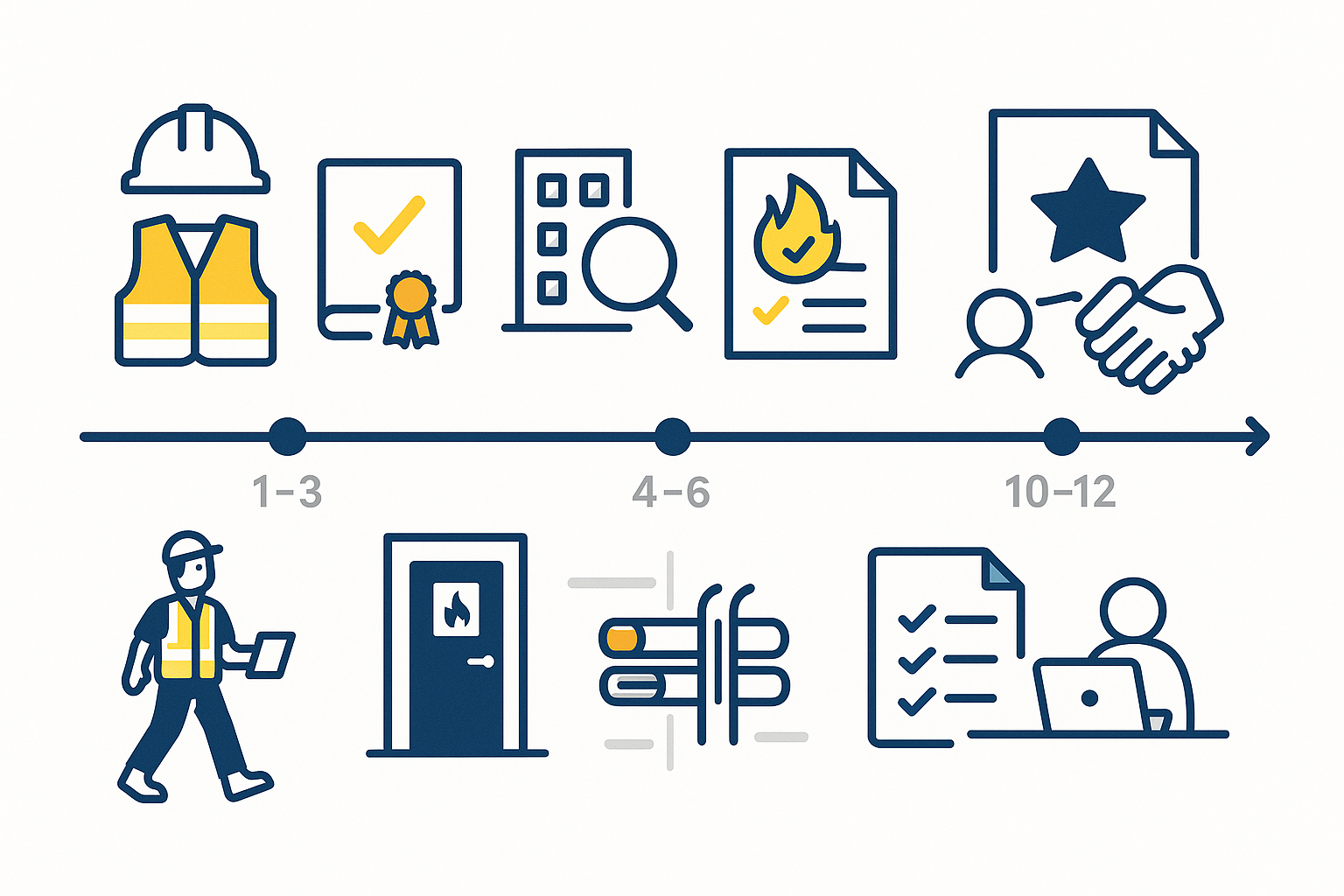
- Weeks 1–2: Book IOSH Working Safely. Complete site inductions. Learn the evidence naming standard and folder structure. Initially, focus on these basics.
- Weeks 3–4: Shadow an FRA sample survey. Update the action tracker. Produce a short “what changed” summary. Consequently, you start building evidence.
- Weeks 5–6: Conduct supervised fire stopping observations on a small area. Capture photos and log actions. Draft a 150 word resident notice for review.
- Weeks 7–8: Attend two toolbox talks and one resident meeting. Write short notes and propose one improvement per session. Next, seek feedback on the proposal.
- Weeks 9–10: Perform a plant room housekeeping walkthrough with a supervisor. Record three improvements. Update documentation. Furthermore, check all signage.
- Weeks 11–12: Assemble your portfolio. Meet your supervisor for a milestone review. Agree your next course (IOSH Managing Safely or NEBOSH). Finally, celebrate your progress.
Templates You Can Copy
- Evidence Log: Date | Task | Location | Standard/Checklist | Files Linked | Supervisor Sign Off
- FRA Action Tracker: Action ID | Building | Location | Asset | Description | Risk | Owner | Due Date | Status | Evidence Link | Note
- Resident Notice (150 Words): What, when, where, temporary impacts, safe routes, contact point; plain English; exact times; no jargon
- Plant-Room Checklist: Access clear, guards fitted, labels legible, leaks/odours, spill kit, housekeeping, emergency stops visible, permits in place
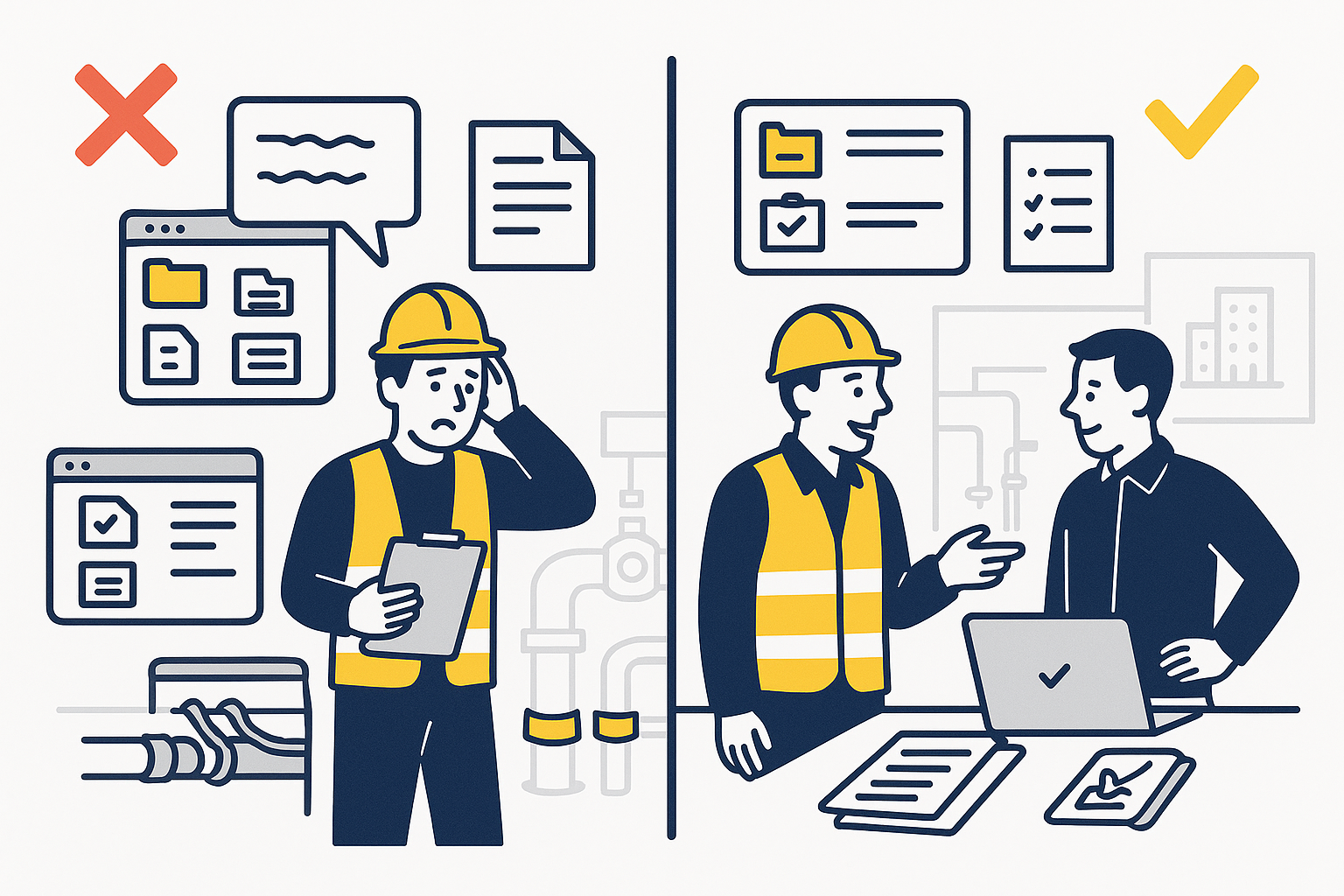
Common Mistakes and how to Fix them
- Vague Notes: Replace with specific locations, asset IDs, and photos with captions. Truly, detail is important.
- Overstepping: Never attempt fixes beyond your training. Instead, escalate to competent contractors.
- Messy Files: Use the naming standard every time. Keep a live index. Otherwise, records become unreliable.
- Resident Jargon: Write for non-specialists. Use one idea per sentence. Avoid acronyms unless you explain them. Finally, confirm understanding.
- Ignoring Small Defects: Small defects in fire stopping weaken the whole compartment. Log them quickly and track to closure. Therefore, immediate reporting is essential.
Section 5: Interview Preparation – Fire Basics Stories

Prepare three short STAR examples you can talk through and show with evidence. Specifically, focus on problem solving.
- Fire Stopping Observation: You identified a penetration in a riser. You recorded the exact location and photos. Logged the action and followed up to closure.
- FRA Support: You helped prepare access. You provided previous reports. Captured new actions with owners and deadlines. Ultimately, you ensured the tracker was accurate.
- Resident Notice: You drafted a clear message about restricted access during works. You received feedback and published the final version in agreed channels. In fact, this shows communication skill.
Open your portfolio. Click through the tracker. Display the linked photo or certificate while you speak. Therefore, traceability impresses interviewers. Showing your knowledge of Fire Basics will impress the hiring manager.
First Steps Checklist

- Book IOSH Working Safely: Secure a date within the next four weeks. Add it to your logbook.
- Shadow An FRA Sample Survey: Arrange access. Take notes with locations and photos. Update the action tracker the same day. Subsequently, review the changes with your mentor.
- Write A 150 Word Resident Notice: Draft a clear, plain English message about a simple safety action. Get feedback and save the final version in your portfolio.
30 Day Plan To Build Momentum
- Week 1: Confirm PPE, inductions, and naming standards. Book IOSH Working Safely. Read the last FRA for your building.
- Week 2: Shadow an FRA sample. Update the tracker. Write a two paragraph summary of findings and priorities. Therefore, you establish early priorities.
- Week 3: Conduct supervised fire stopping observations. Produce two photo sets with captions. Log actions. Moreover, start a log of fire door checks.
- Week 4: Draft a resident notice. Attend one toolbox talk. Assemble your starter portfolio and schedule a supervisor review. In conclusion, prepare for your review.
Final Note
Mastering safety fundamentals is about disciplined habits. Wear the right PPE. Take clear notes. Use the naming standard. Speak plainly with residents and contractors. If you do these things every day, your managers will trust you with greater responsibility. First, you will manage a corridor or plant room. Then, you will manage a building, and eventually a portfolio. In conclusion, that is the path from new starter to Building Safety Coordinator and, in time, Building Safety Manager.