How to Hire the Right Building Safety Manager (and Keep Them)

Hiring a Building Safety Manager is vital. In fact, this is not a routine job. The Building Safety Act changed everything. So, this role affects legal risk, governance, and asset value. Furthermore, it impacts resident trust. As a UK recruitment specialist, I see how the right person makes a huge difference. Therefore, this guide shows you how to define skills. It also covers the hiring process and how to keep the best people.
Defining Competence for the Building Safety Manager Role
Competence means you know how to work safely. Also, you must show good judgment. Furthermore, you must maintain a reliable standard. For higher risk buildings, this standard covers life safety. It also includes complex technical systems. In addition, it covers public accountability.
Five Key Competence Areas for the Building Safety Manager
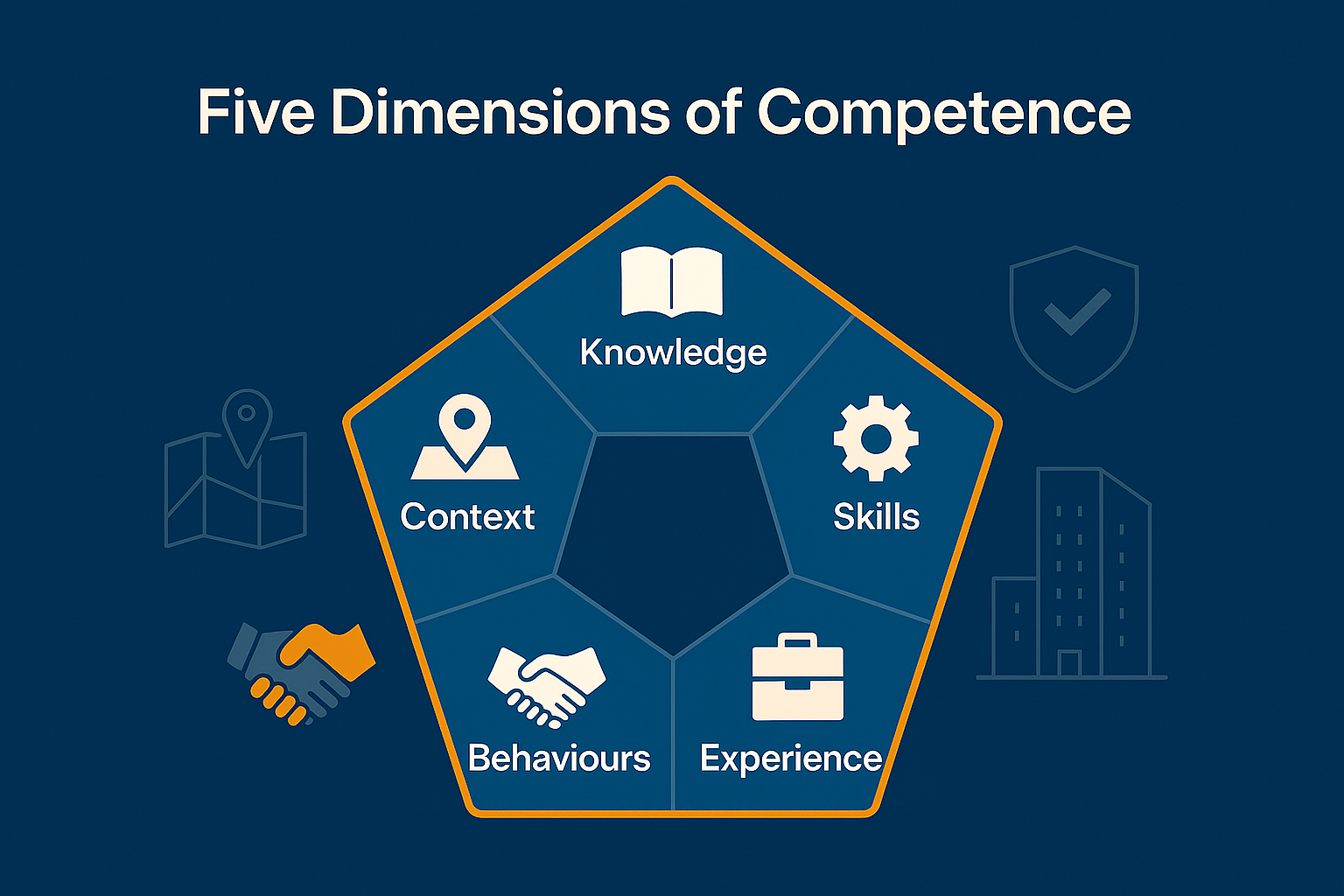
- Knowledge: The Building Safety Manager must understand the Building Safety Act 2022. They also need to know the Fire Safety Act 2021. Next, they need the Fire Safety Order 2005. Most importantly, they must know the rules for the Safety Case. They also need to know about the Golden Thread. Finally, they must know the roles of the Accountable Person (AP).
- Skills: The Building Safety Manager must build and run compliance systems. This means starting checks and reading specialist reports. Next, they must turn findings into clear action plans. In addition, these skills must cover managing contractors. They also need to respond to incidents. Finally, they must speak well with residents.
- Experience: They must show a clear record of working with higher risk buildings. This should include exposure to audits and regulator talks. Moreover, they need experience with big repair projects. However, deep knowledge of complex systems often matters more. General work experience is often less important.
- Behaviours: They must stay calm when making decisions. They also must show integrity. Furthermore, they must be open with residents. Above all, the Building Safety Manager should always focus on safety first. Since good behaviours are key, you must strictly test for these traits during the interview process.
- Context: Social housing and private rentals, for example, have very different risk profiles. Therefore, match their specific skills to your company’s context. Do not assume they fit everywhere.
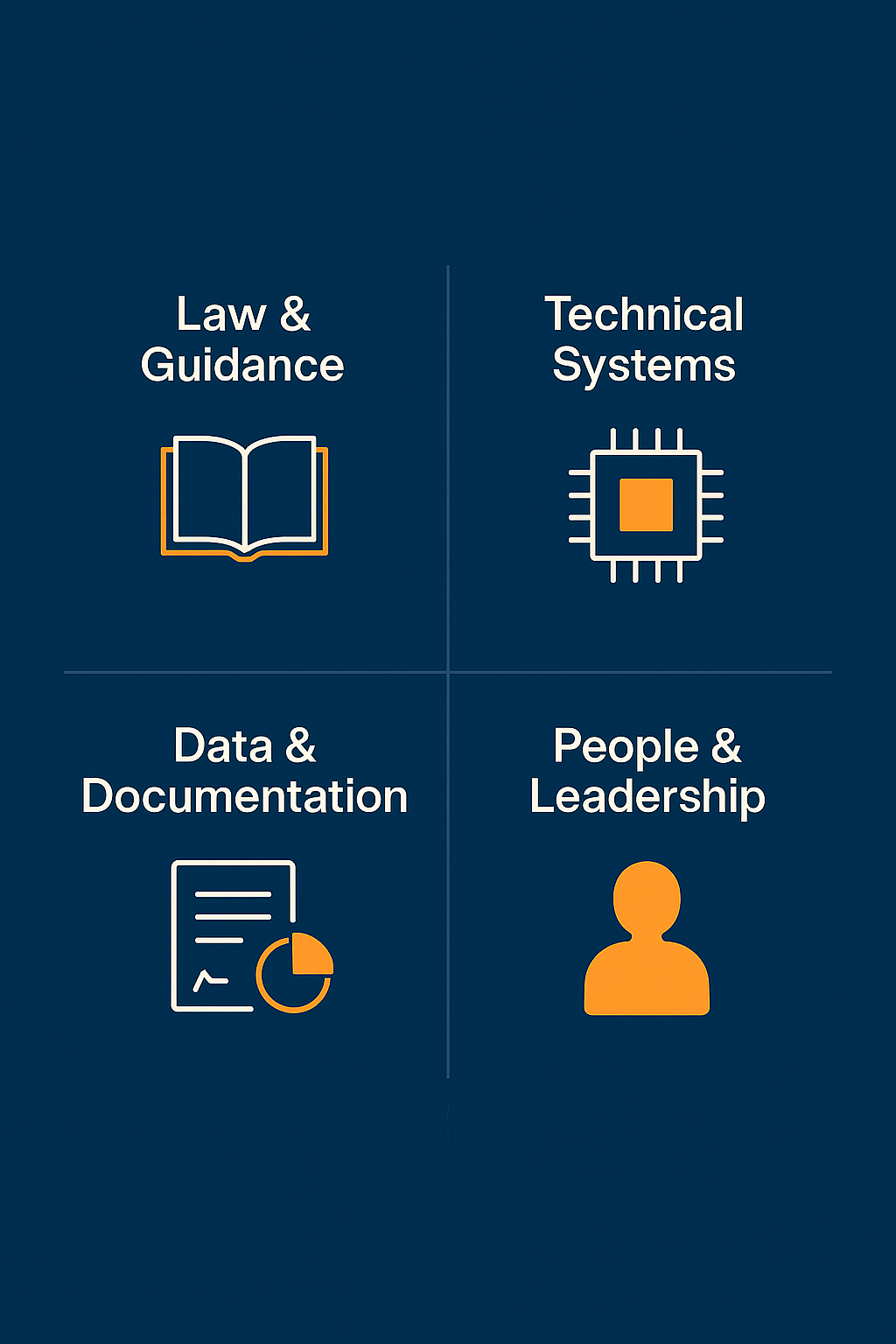
Alternatively, if you prefer a quick check, use a four box lens. These areas are law and guidance, technical systems, data, and leadership. Essentially, a competent Building Safety Manager must be strong in all four areas.
Role Clarity: Defining the BSM Mandate
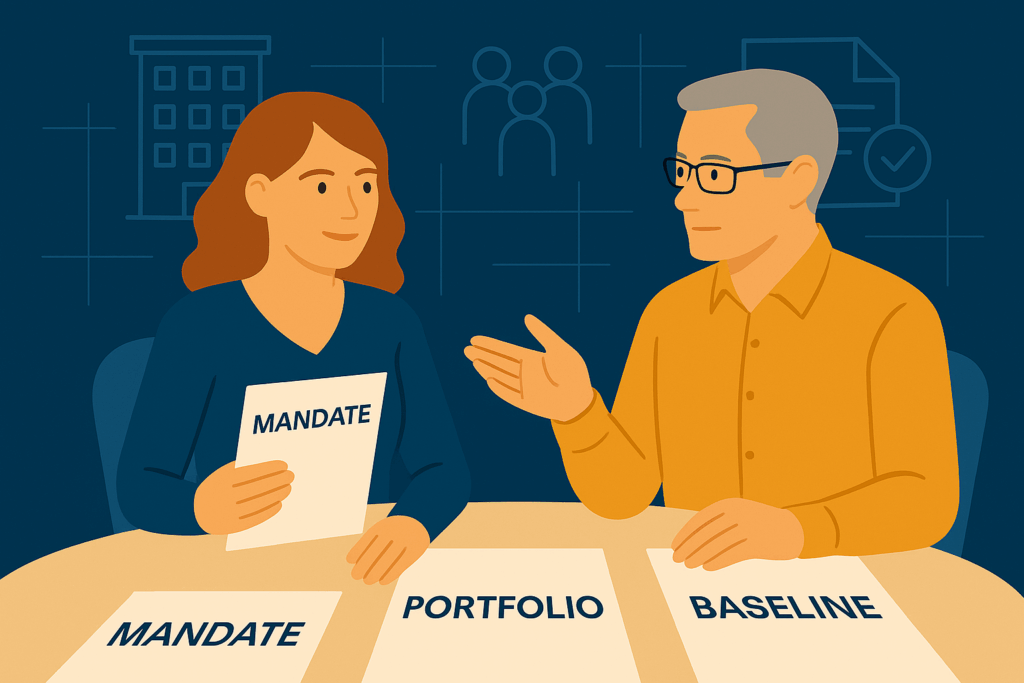
Hiring often fails. This is because the job mandate is unclear. To fix this risk, you must clear up this point first. For this reason, agree on the following points with your leaders and the AP.
- Portfolio scope: Look at the number, height, and complexity of your buildings. Also, review their fire control plans. Next, check their evacuation plans.
- Mandate: Define their decision rights and budget power. Also, decide how to escalate problems. Agree on who the BSM reports to. Finally, decide how to solve conflicts.
- Current baseline: What systems do you use today? Check the Golden Thread status. Also, check Safety Case evidence. Review the audit history. Finally, check which actions are still open.
- Resident interface: How often will the BSM talk to residents? How will you measure their success here?
- Support model: What help does the Building Safety Manager get? Check if this support is internal. Also, check if it is external.
Ultimately, turn all these points into one clear job purpose. Furthermore, define five to seven outcomes for the first year. These outcomes will then link the BSM role to measurable results.
Building Safety Manager Year One Outcomes
- Golden Thread: Create a reliable place to store complete data. Do this for all high risk assets.
- Safety Case: Produce Safety Case Reports that are ready for the regulator. Use strong evidence.
- Actions: Close high priority safety actions on time. Moreover, they must report any problems clearly. They must also report fast.
- Residents: Start engagement routines that build trust. Also, reduce repeat questions.
- Assurance: Embed a quarterly review cycle. Give the board a clear view of risk. Also, show clear spending.
Attracting Top Building Safety Manager Talent
First, keep your job advert accurate. Focus heavily on the expected results.
- Purpose: Say that the role protects residents. Also, state that it meets all legal duties.
- Key outcomes: List the year one outcomes. Do not list a long series of daily tasks.
- Experience: Be specific about the context (e.g., buildings with smoke control). Do not just list years of work.
- Competence indicators: Mention the required frameworks. Also, list the professional development (CPD) support you offer the BSM.
- Working conditions: List site presence. Also, list on call needs. Finally, list travel.
- Development: Offer a budget for CPD and mentoring. Also, offer chartership support.
- Salary range: Finally, being open about pay signals maturity. It also saves everyone time.
Sourcing Strategy for Building Safety Manager Candidates
To start, use a variety of channels. Do not simply rely on one job board.
- Specialist boards and communities: Advertise where safety staff look. Make sure to include a named contact.
- Referrals: Ask trusted fire engineers for names. Also, ask regulators. Finally, ask safety leads.
- Targeted search: In addition, actively look for people in related jobs. These include compliance leads. They already work in regulated places.
- Diversity: Crucially, focus on proven competence and behaviour. Do not seek identical CVs.

Screening Building Safety Manager Candidates
To save time, run a structured 15 minute phone screen. You should use the same five questions for every candidate. Then, carefully score the responses. Check for clarity, fit, and ownership.
- Context summary: What is the most complex building/portfolio you have managed and why?
- Safety Case evidence: Give one example of creating or fixing an evidence trail.
- Resident engagement: Describe a tough meeting and how you handled it.
- Contractor control: How did you make a reluctant supplier follow the rules?
- Decision under pressure: A high stakes call you made and how you wrote it down.
Consequently, only shortlist those BSM candidates who clearly fit your specific outcomes and context.
Technical and Behavioural Interview Questions for the BSM
Use a mixed panel for interviews. For example, include technical staff, operations, and a resident voice. Then, use a mix of technical, scenario, and behaviour questions.
Technical and Compliance Questions
- Walk us through a full check cycle for a high risk building (HRB).
- What is a good Golden Thread system? How do you keep the data accurate when contractors change?
- How do you fix a Safety Case gap if old drawings are missing?
- Explain the difference between a Type 1 and Type 4 Fire Risk Assessment (FRA).
- How do you decide if an action is critical risk? Also, when can it be delayed?
Assessing BSM Answers with STAR
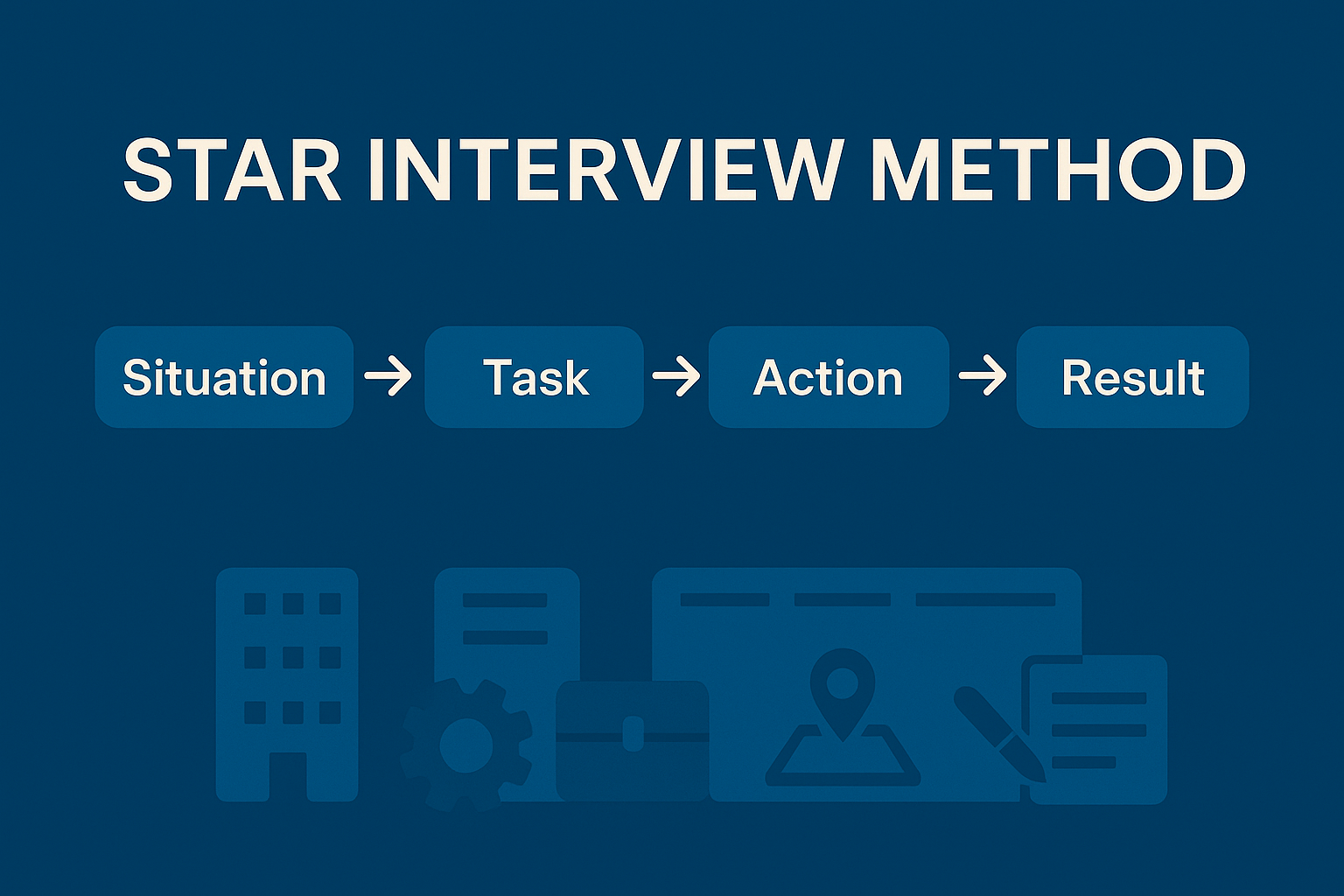
Ask BSM candidates to structure their responses using STAR. This stands for Situation, Task, Action, Result. After they give their answer, always ask more follow up questions. This helps check what they learned. It also checks if they can repeat the success. For instance, a question might be: Tell me about a time you successfully managed a safety audit failure.
Good STAR Answer for a BSM Role
- Situation: An internal audit found missing fire stopping evidence in two blocks.
- Task: The goal was to close the gap before the external audit. Another goal was to stop it from happening again.
- Action: I checked the risk by building. Then, I ordered detailed checks in high risk areas. Next, I started a weekly review meeting with all trades. Moreover, I trained supervisors on file naming rules.
- Result: We closed all critical issues in six weeks. We passed the external audit. Finally, repeat issues dropped by 80% the next quarter.
What to listen for: Clear scope, risk checks, cross team control, evidence focus, and a lasting fix.
Practical Exercises to Test Building Safety Manager Skills
Use short, timed tasks to reveal real skills. Keep the stress low.
- Document review (30 minutes): Give them documents (like logs and trackers). Ask for the five highest risks. Also, ask for the evidence they would need. Finally, ask for three top priority actions.
- Resident communication (15 minutes): Scenario: urgent work blocks access. Ask for a 150 word resident update. It must be clear. It must also be respectful.
- Golden Thread quality (15 minutes): Give them two certificates. One is complete. The other has flaws. Ask what is missing. Also, ask how to correct the record.
Score the BSM based on clarity, correct proportions and evidence based thinking.
BSM Reference Checks That Matter
Therefore, focus on asking three key questions. This will make the reference process useful.
- Judgement: When did this person make the best decisions?
- Pressure: When stressed, how did they communicate? Also, how did they record their decisions?
- Support: If you hired the Building Safety Manager again, what support would they need? This helps them do their best work.
Cross check their claims about building complexity. Check audit results. Finally, check resident engagement.
Identifying True Leadership in a Building Safety Manager
In essence, leadership in building safety is calm. It is also evidence led. Furthermore, it is human.
Positive Signals of a Strong BSM
- Use plain language for complex topics.
- Explain why they chose a plan. They do not just say what they did.
- Share credit. They own mistakes. They record decisions clearly.
- Prepare evidence trails. They anticipate regulator questions.
- Treat residents as partners. They do not see them as problems.
- Build trust with contractors. They strictly enforce compliance rules.
Red Flags for a BSM Candidate
- Jargon with no real meaning. Alternatively, they may blame others. Or they may make absolute statements.
- Relying on memory instead of good records.
- Dismissing resident concerns. Consequently, they may see engagement as optional.
- Avoiding data. Avoid action trackers. Avoid structured reviews.
- Claiming too much capability. Furthermore, they may downplay the need for expert specialists.
Designing an Offer That Top Building Safety Managers Accept
Strong Building Safety Managers always have many job options. Therefore, you must win them over with a full, transparent offer.
- Clarity: Give a crisp job mandate. Also, give decision power. Give clear escalation routes. After all, confusing roles drive good managers away.
- Fair pay: Match salary to the portfolio risk. Moreover, include clear pay ranges. Also, include review points.
- Time and tools: Fund CPD. Fund evidence platforms. Fund competent assessors. Also, provide admin help.
- Flexibility: Hybrid work can be used. However, set clear rules for site presence. Also, set rules for resident events.
- Purpose: Share the board’s commitment to safety. Explain how success is recognised. Do not just focus on inspection.
Onboarding Your BSM: The First 90 Days
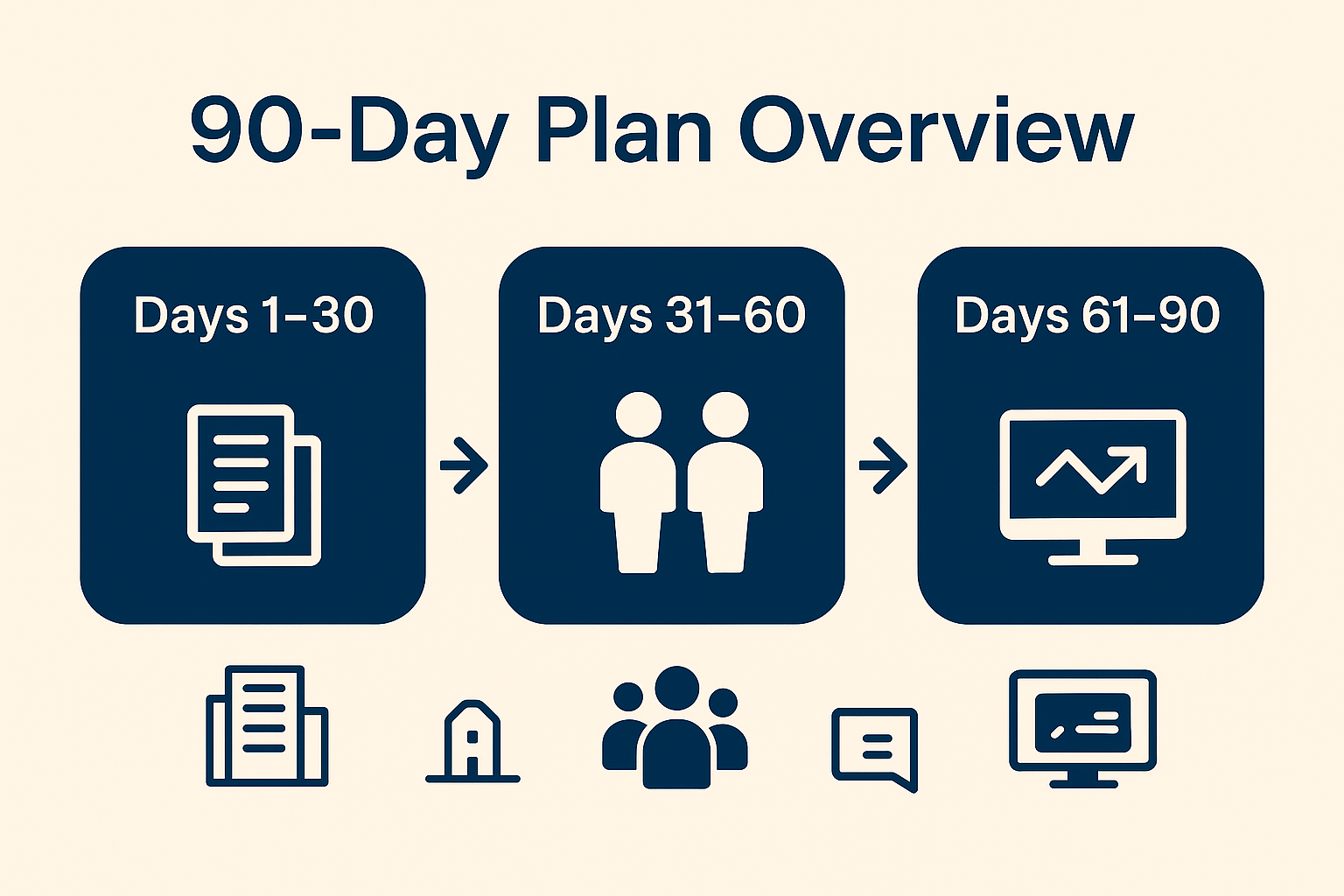
To maximise success, help your new BSM get quick wins right away. We suggest using a simple 90 day plan.
Days 1–30
- Access: Give full system access. Also, give historical records. Agree on file standards.
- Introductions: Schedule meetings with the AP/PAP, operations, and legal. Also, meet key contractors.
- Baseline: Review the risk map. Check audit logs. Review open actions. Find data gaps.
Days 31–60
- Evidence plan: Prioritise Safety Case evidence. Map out deep dives into three buildings. Set weekly review meetings.
- Residents: Start the engagement rhythm. Create FAQs. Also, create a process to capture feedback.
- Supply chain: Confirm expectations for competence. Confirm work permits. Confirm evidence delivery.
Days 61–90
- Assurance cycle: Start the quarterly board review process.
- Quick wins: Close high impact actions. Fix process problems. Publish a short safety note for residents.
- KPIs: Agree on indicators. Also, set a realistic plan for the next nine months.
Key Performance Indicators (KPIs) for the Building Safety Manager
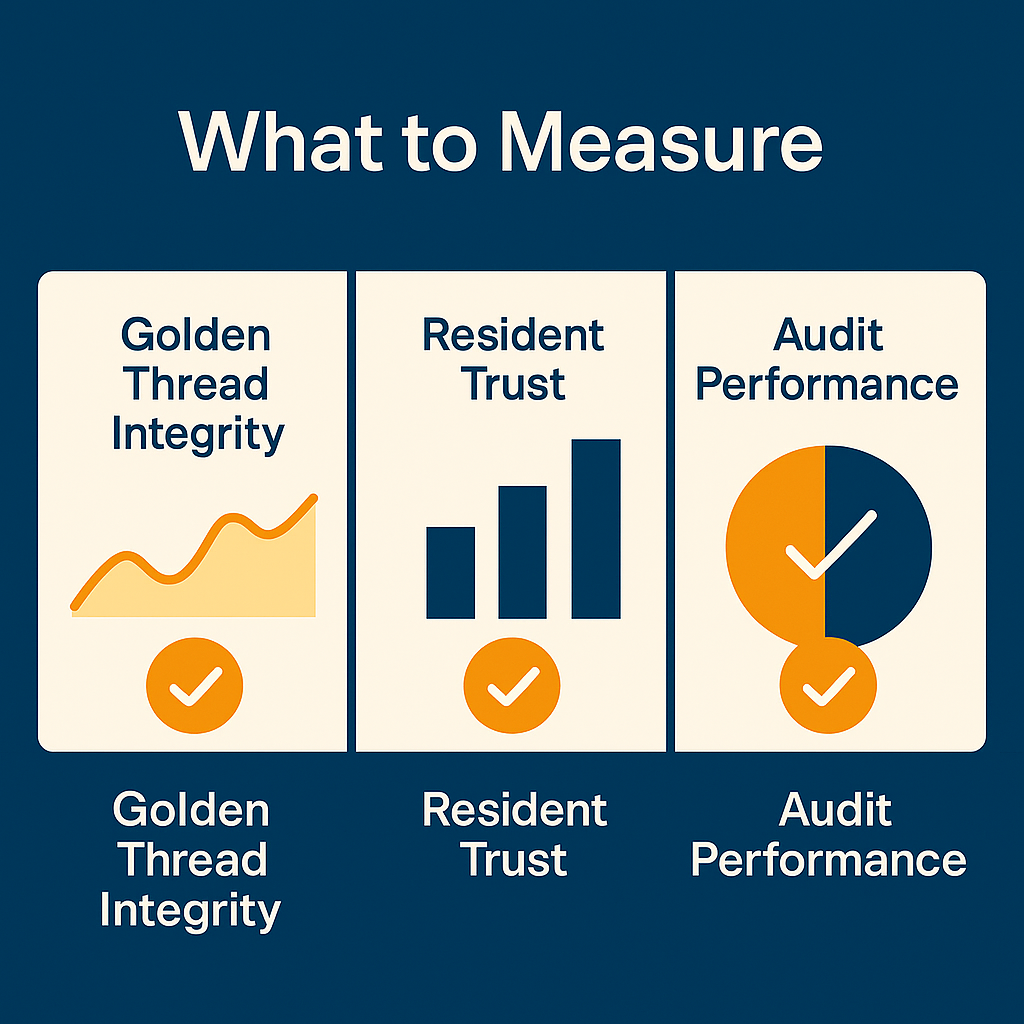
First and foremost, measure the indicators that improve safety. Also, measure those that improve resident confidence.
- Golden Thread integrity: Percentage of critical assets with complete data. Also, check for timely data/evidence.
- Priority actions: Number and age of open life safety actions by building. Report overdue items.
- Resident trust: Check attendance and feedback from sessions. Review response times. Check sentiment trends.
- Audit performance: Review findings raised. Review findings closed. Check time to close by risk level.
- Competence: Check CPD hours completed. Review gaps addressed. Also, check supplier competence verification rates.
However, keep dashboards simple. Pair data points with short, clear comments. Remember, boards need clarity. They do not need huge data volumes.
Retaining Your High Performing Building Safety Manager
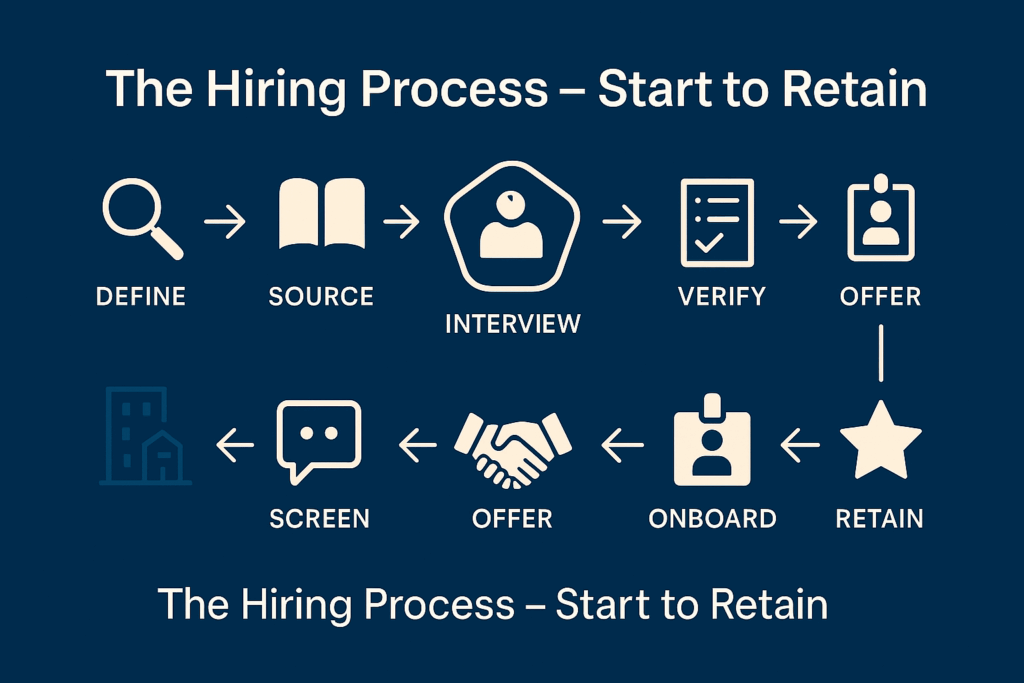
Ultimately, retaining staff is cheaper than replacing them. It is also safer than accepting high turnover.
- Realistic workload: Balance portfolio size and risk. Use good support mechanisms. Otherwise, overwork will hurt quality. It will also hurt safety culture.
- Support and cover: Provide admin help. Also, provide specialist access. Plan cover for leave. Furthermore, this is non negotiable.
- Visible sponsorship: Ensure the AP/PAP is available. Back the BSM in difficult decisions.
- Learning: Fund CPD. Fund peer groups. Fund project roles.
- Recognition: Celebrate prevention. Do not just focus on fixing incidents. Share success with residents and staff.
- Wellbeing: Acknowledge the stress of the job. Offer flexibility. Offer real support.
- Career path: Show clear routes to senior safety leadership. Also, show assurance roles.

BSM Pay Bands and Market Signals
Rates change dramatically by context. However, three key facts hold true in the market for a Building Safety Manager.
- Complexity premium: Pay increases with portfolio risk. It also increases with regulator exposure. It is not just about team size.
- Evidence premium: People who can build Safety Case evidence reduce legal risk. They can also defend it. They also save money.
- Culture premium: Strong governance attracts better people at fair rates. Conversely, unclear mandates cost more.
Compare your pay offer with peers. Peers should face similar portfolio risks. Additionally, consider tying a 12 month retention bonus to key annual outcomes. Do not tie it just to time served.
A Compact Hiring Toolkit for the Building Safety Manager Role
Print these one pagers. Use them for every hiring round.
- Competence matrix: Columns = law and guidance, technical systems, data, and leadership. Rows = beginner, proficient, advanced. Capture specific examples for each.
- Interview scorecard: For every question, score clarity, context fit, and evidence use. Also, score proportionality. Score scenario questions higher.
- 90 day plan template: Sections for access, people, evidence, actions, and communication. Review weekly in month one. Then, review every two weeks.
Common Hiring Mistakes When Recruiting a BSM
- Hiring for titles: Job titles vary. Skills do not. Instead, test what a person can do in your context.
- Overweighting years: Five years of deep work in high risk buildings can be better. It is better than fifteen general years. Depth matters more.
- Ignoring residents: Great technicians who cannot communicate will struggle. You need both skills.
- Underfunding tools: Without a good evidence platform, even the best Building Safety Manager will eventually fail.
- Fuzzy governance: If decisions can be easily overturned, good managers will leave. Clarify their mandate.
Final Thought: Securing Your Building Safety Manager
In conclusion, the right Building Safety Manager will always make your buildings safer. They make your residents more confident. They also keep your board better informed. To achieve this, therefore, define skills clearly. Test them fairly. Fund the role properly. Finally, support your hire in tough moments. Indeed, if you follow this approach, you will not only hire well. You will keep the people who keep everyone safe.