The Building Safety Regulator (BSR) has just released a major update. This new report shows great progress. The update covers the Building Control Gateway 2 process. This process is for new High Rise Building Safety projects. The news is very good for our industry. It shows better speed and more consistent decisions.
This milestone is important for several reasons. It means new residential high rise buildings are getting approval faster. This speed helps the construction sector. More importantly, it shows the BSR’s system is now working well. This stability creates job opportunities. It needs more skilled people. These workers will manage and enforce the new High Rise Building Safety rules. This article will look closely at the BSR’s success. It will show what this momentum means for your career.
Understanding the Gateway System for High Rise Building Safety
The BSR oversees the safety of all High Rise Building Safety projects. This body was set up after the Grenfell Tower tragedy. Its goal is simple. It is to make tall buildings safer for everyone.
For example, the BSR has created a three stage “Gateway” process. This process checks safety at critical points. Each Gateway is a mandatory stop. Project work cannot continue until the BSR gives approval.
The first step is Gateway 1. This stage happens at the planning application point. Before any planning can be approved, Gateway 1 checks the fire safety features. This ensures that fire safety is considered from the very beginning. Therefore, Gateway 1 stops unsafe designs before they get expensive.
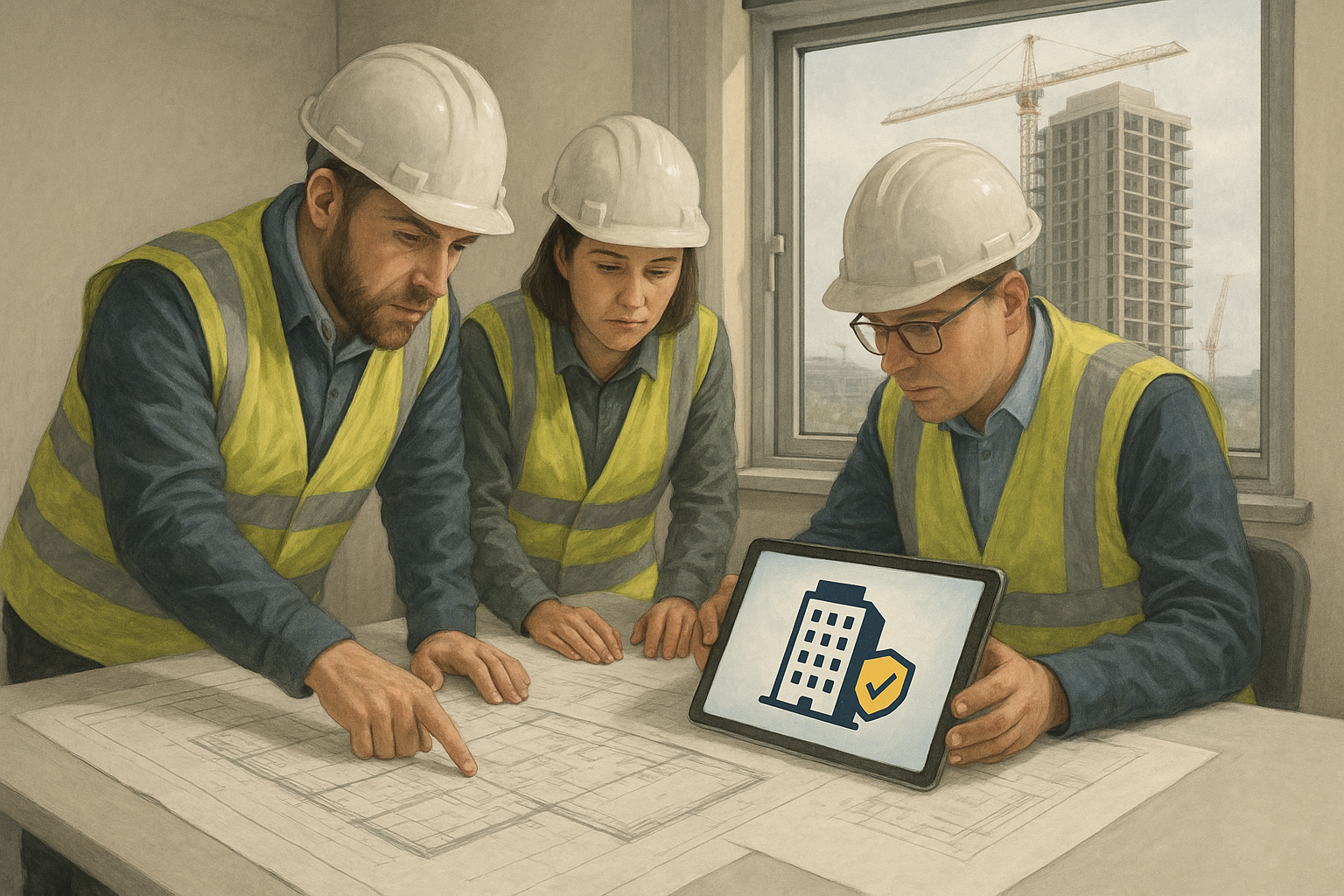
Next, we have Gateway 2. This is the focus of the latest BSR update. Gateway 2 happens before construction starts. Indeed, this is the last chance to check a project’s detailed designs. The BSR looks at every part of the project. This inspection ensures the plans meet all new High Rise Building Safety standards. No digging can start until Gateway 2 approval is given. Afterward, construction can begin.
Finally, there is Gateway 3. This step happens when construction is complete. Consequently, Gateway 3 ensures the building was built exactly as approved. It checks the final safety features. Only after Gateway 3 approval can people move into the building.
Gateway 2 is a crucial stage. It means the BSR is taking on a huge amount of technical review work. The latest data shows they are handling this workload very well. Overall, this is excellent news for anyone working in High Rise Building Safety.
Record Breaking Momentum: Decisions and High Rise Building Safety
The BSR has achieved a major milestone. The numbers show the system is working. In fact, decision making is happening at a significant rate. This success proves the system’s efficiency.
The BSR announced a record 272 decisions. These decisions were across all application types. They were made up to November 24. This figure is impressive. Moreover, the total number of decisions since August 31, 2025, reached 578. That is a lot of work in a short time.
Therefore, this rapid decision rate is a positive sign for the industry. It means development projects are not stalling. Furthermore, it means more people are needed to manage these safety checks. This boost in activity is great for High Rise Building Safety jobs.
Likewise, the consistency of the BSR’s work is important. Quick decisions help planners. They help builders. They help everyone know where they stand. Consequently, the BSR is showing that it can be fast while still being thorough.
This momentum requires a skilled team. Thus, the BSR needs experts in fire safety, structural engineering, and building codes. Similarly, private companies need the same experts. They need staff who can prepare the complex documents needed for Gateway 2 approval.
Focus on the Capital: High Rise Building Safety in London
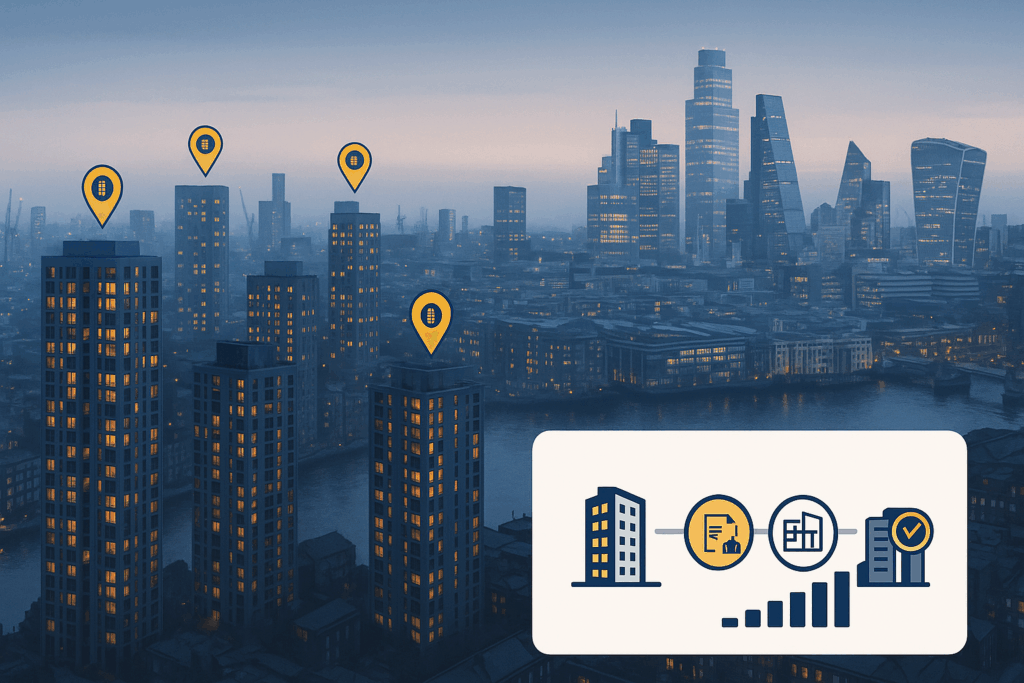
The latest update highlights where the bulk of the BSR’s workload lies. London remains the center of high rise construction activity.
In fact, a large number of the decisions were linked to the capital. Specifically, 76% of all decisions across all Gateway 2 categories during October related to London cases. That number equals 206 decisions in one month for London alone. As a result, this shows the high density of High Rise Building Safety projects in the city.
Furthermore, the total number of London decisions since August is now 409. This is a clear indicator of the scale of work. London is dealing with a massive amount of new, tall buildings. Every single one needs BSR approval.
Therefore, this data is a wake up call for professionals. If you work in High Rise Building Safety, London is a key market. Clearly, firms operating in London need teams who understand the BSR process inside and out. They need people who can quickly prepare accurate Gateway 2 submissions.
Conversely, the BSR itself is focused on capacity. They need more regulatory staff. They need people who can review this high volume of complex London projects. Consequently, this need creates a high demand for experienced building control surveyors and fire safety specialists in the region.
Clearing the Backlog: Historic Applications and High Rise Building Safety
The BSR is not just managing new applications. Instead, they are also tackling a backlog of older cases. These older cases were submitted under the previous regulatory model.
However, the BSR has made excellent progress in clearing these files. A further 40 historic applications were closed between August 31 and November 24. This shows a strong commitment to efficiency. Clearing old cases frees up resources. Afterwards, this allows the BSR to focus on the newer Gateway applications.
For instance, 20 of these recent historic decisions related to London cases. This means half of the closed backlog was in the capital. Thus, London based firms can now move forward on projects that had been stuck for months or even years.
Future of the Previous Model Applications for High Rise Building Safety
The work on these previous model applications is vital. It creates certainty for developers. Also, it ensures that all projects, old and new, meet the same high safety standards.
In addition, the BSR has set a clear goal for the remaining backlog. The majority of the remaining 54 previous model applications are projected to follow by the new year. Undoubtedly, this shows clear strategic planning. The BSR is not slowing down. This ongoing activity translates directly into a stable, long term need for High Rise Building Safetyexperts.
Efficiency and Consistency: High Rise Building Safety Approvals
The BSR is always improving its methods. Above all, they want their application process to be more flexible. This helps projects move forward faster, but only if they are safe. Therefore, the BSR has enhanced its “approval with requirements” route.
This route is important. It means the BSR can approve a project even if minor details need correction. Instead of rejecting a project completely, they approve it with specific safety tasks the developer must complete. This saves time. It does not compromise High Rise Building Safety.
The latest update shows this route is being used. A minimum of 9 further applications have now been assessed as ready for this enhanced route. This is subject to final checks and agreement from the applicants.
Consequently, this development is very important for High Rise Building Safety careers. It shows the value of strong communication skills. Furthermore, professionals must work closely with the BSR. They must agree on the necessary requirements. They must document how they will meet them. Project Managers and Building Control teams must be ready to use this route quickly and correctly.
Moreover, the BSR is showing a high level of operational maturity. They are finding ways to be flexible without sacrificing safety. This consistency in the process is what the construction industry needs. It creates a predictable environment for High Rise Building Safety planning and investment.
The BSR Operational Team: Driving High Rise Building Safety Forward

Behind these impressive statistics is the BSR’s Operational Team. Their work has been key to the success of the Gateway 2 process. Indeed, the BSR credits its progress to several factors.
One major factor is direct engagement with applicants and regulatory partners. For instance, instead of simply sending letters, the BSR talks to the people in charge. They hold meetings. They answer questions. This direct approach helps solve problems faster.
In addition, the team has an ongoing plan to address individual “blockers.” A blocker is anything that stops a case from moving forward. The BSR actively works to remove these roadblocks. This commitment to problem solving is why cases are closed at a significant rate.
This operational success has a clear message for the job market. The industry needs people who can engage directly with the regulator. Furthermore, it needs safety professionals who can communicate complex technical details clearly.
Therefore, future High Rise Building Safety leaders must have soft skills as well as hard skills. They must be able to negotiate, collaborate and show commitment to the new BSR standards.
The BSR’s proactive approach shows a modern way of regulating. They are acting as a partner, not just a judge. Ultimately, this partnership makes the job of a High Rise Building Safety professional more complex, but also more rewarding.
Career Opportunities in High Rise Building Safety
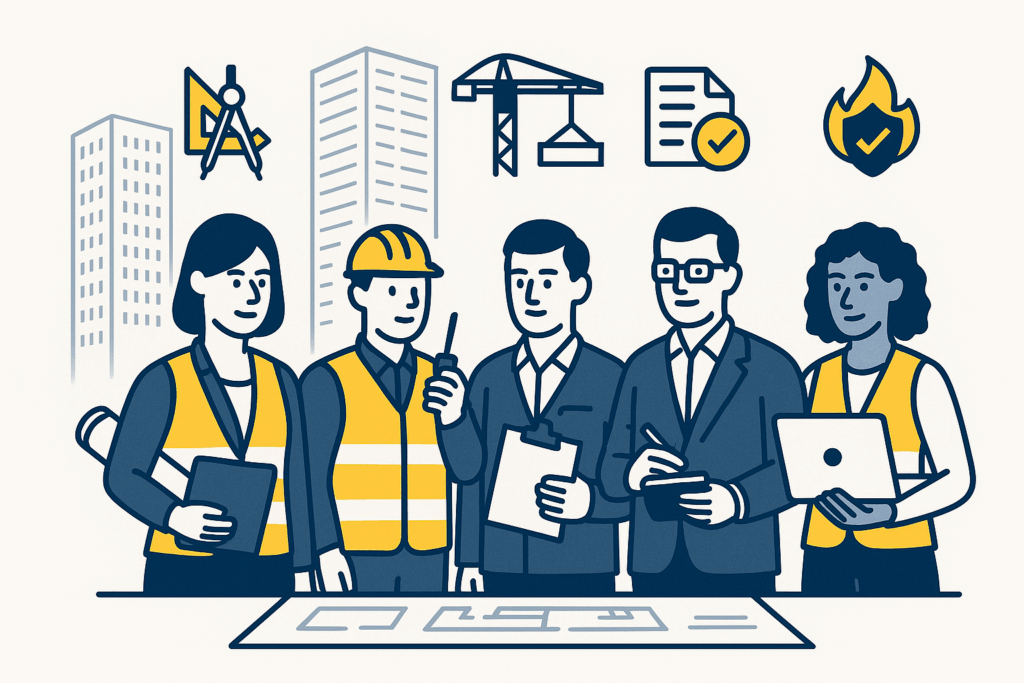
The BSR’s success is driving a massive wave of recruitment. Every data point points to a thriving job market in High Rise Building Safety.
The high volume of decisions (578 since August) means more projects are going ahead. Hence, each approved project needs a Principal Designer and a Principal Contractor. These roles now have specific BSR duties. They need specialised knowledge of the Gateway process.
Furthermore, the focus on London (409 decisions) means demand for regional experts is extremely high. Companies are seeking people who have already worked on successful Gateway 2 submissions in the capital. Consequently, having “BSR experience” on your CV is now essential for promotion.
Also, the shift to “approval with requirements” requires skilled technical staff. These staff members must manage the conditions set by the BSR. Thus, this creates new opportunities for Building Control Surveyors and Quality Assurance Managers. They must ensure compliance throughout the construction phase.
To conclude, the BSR update shows a regulatory system that works. It is fast, consistent, and demanding. As a result, this stability is creating a permanent need for highly skilled, well trained professionals. The future of High Rise Building Safety is bright, and the jobs are waiting. Now is the time to invest in new training and join this vital sector.
Deep Dive: The Skill Sets Needed for Success
The BSR’s momentum confirms that the new safety landscape is here to stay. Specifically, it is not just about having a degree. It is about having specific, modern skills that align with the BSR’s requirements. This makes continuous professional development (CPD) a must.
First, consider the role of the Building Safety Manager (BSM). While the BSM role has seen some changes, the need for a competent person to manage the building safety case is permanent. For example, BSMs must understand the entire safety journey of the building, from Gateway 1 to 3. They must be experts in compiling the final safety case report.
Fire Safety Engineers
Second, the demand for Fire Safety Engineers is soaring. The BSR’s focus on detailed design review at Gateway 2 means that Fire Safety Engineers are needed early. They must use advanced modeling software. They must prove that the building will be safe, even in a worst case fire scenario. Therefore, engineers with experience in performance based fire design are highly sought after.
In addition, the need for legal and administrative experts is also high. Navigating the BSR’s application portal is complex. Also, it requires meticulous record keeping. Thus, project administrators and legal compliance officers specializing in the High Rise Building Safety Act are gaining value. They ensure all documents which form the Golden Thread, are correct and easily accessible.
Regional Expertise
Furthermore, the regional difference shown by the London statistics cannot be ignored. Hence, a professional who has experience dealing with the BSR’s London team is highly valuable. This is because every large city has its own local planning rules. Conversely, a professional working outside London can focus on bringing High Rise Building Safetystandards to smaller projects and regional developments.
Consequently, the message is clear: general construction experience is no longer enough. You must prove your expertise in the BSR framework. Indeed, this means getting certified training. It means focusing your career path on specialised roles within the High Rise Building Safety sector. The BSR has created a clear path for project approval. Now, the industry must create a clear path for professional development.
The record 578 decisions show that the new system is working. This is a huge win for safety. Similarly, it is also a huge win for the job market. The BSR has provided the stability. Professionals must now step up and provide the talent.
Conclusion: Securing Your Future in High Rise Building Safety
The latest BSR Building Control Gateway 2 update is a landmark moment. It shows the regulatory body is performing well. They are closing cases fast. They are doing so with consistency. The numbers speak for themselves. The progress is real.
The statistics highlight key areas of opportunity:
- Total Decisions: 578 decisions since August show continuous, high volume work.
- London Focus: The 76% concentration in London highlights a major regional skills gap.
- Backlog Clearance: Closing 40 historic cases gives certainty to old projects and opens up new opportunities.
- New Routes: Using the ‘approval with requirements’ route signals a desire for effective, quick solutions.
Therefore, for any professional, this update is a call to action. Specifically, invest in your BSR knowledge. Focus on digital documentation and compliance. Become an expert in High Rise Building Safety Gateway processes. By doing this, you secure your role in the future of safer building design and construction. The momentum is here. Join the movement.