Councils face a tough job. They must build affordable homes. But, they also deal with complex new rules. Building Safety Regulation is one of these rules. But also, it adds strong new safety checks. The Gateway 2 process is the most important check. This step can cause delays. It can also increase costs. A recent Brighton & Hove City Council project showed this problem. Understanding these issues is key. This is true for anyone working in the construction world.
The Problem: Project Delays and Budget Hikes
Brighton & Hove City Council had a hard choice. They needed to approve more money for a project. This project will build affordable new homes. The reason? They worried about delays. The delays were for Gateway 2 approval from the Building Safety Regulator (BSR). This project is a partnership. It is run by Homes for Brighton & Hove (HBH). HBH works with the Council and the Hyde Group.
Meeting papers from November showed the truth. In short, project costs were getting higher. This was due to many problems. These problems included site access issues. They also had to change the design. Furthermore, these design changes came from public feedback.
The Cabinet learned about a big risk. Hyde, the partner, found this risk. Ultimately, this risk was directly tied to waiting for the BSR Gateway 2 approval. People in building safety jobs must understand risks like this.
Why BSR Gateway 2 Matters for Building Safety Regulation
But first, let’s look at BSR Gateway 2. It is a vital safety check. It makes sure safety is built in from the very start.
Understanding Gateway 2
Gateway 2 is part of the new Building Safety Act 2022. This Act makes buildings safer in the UK. So, Gateway 2 happens before any main work starts. This is for higher-risk buildings (HRBs). The BSR checks the building plan. They confirm it meets all the strict safety rules. Thus, this check is serious. It is a deep look at every part of the design.
The Role of the Building Safety Regulator
The Building Safety Regulator (BSR) runs this process. In addition, they are an independent body. Essentially, they watch over how safe buildings are. Their approval at Gateway 2 is a green light. It means the BSR likes the safety measures. However, if they have concerns, they ask for changes. This extra time is often where the delays begin.
The Brighton & Hove Case: Building Safety Regulation in Action
The Brighton & Hove project is a clear example. It shows how new Building Safety Regulation can hurt timelines. It also hurts budgets.
Increased Costs: Many Problems Together
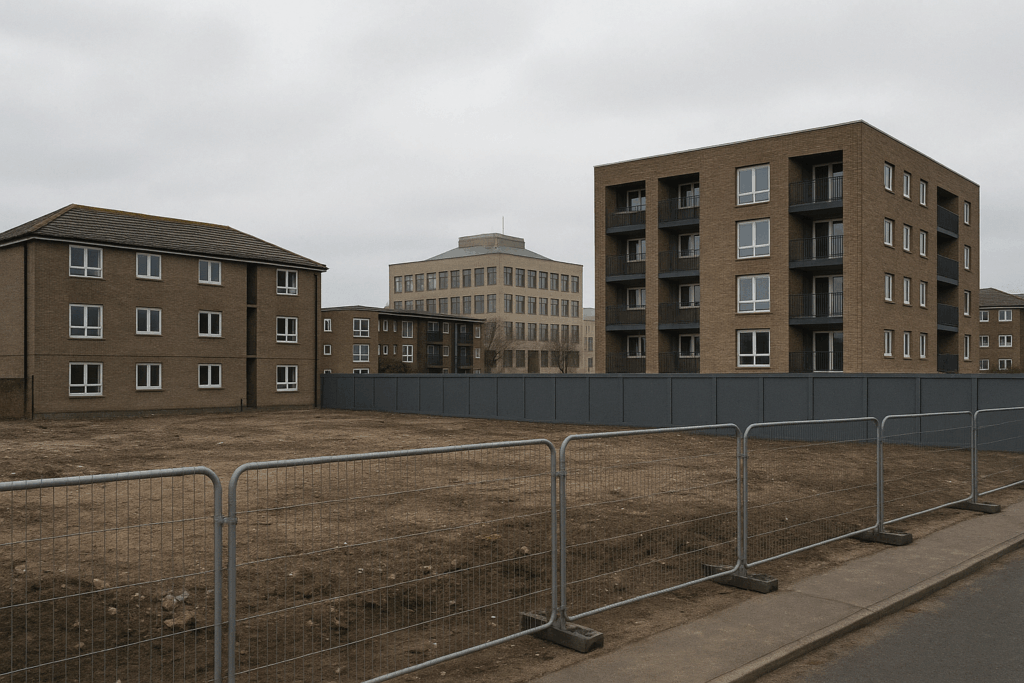
The HBH team listed several reasons for the cost increase. First, getting the site empty was hard. This meant the land was clear much later than planned. Consequently, delays always increase costs. Time is money in this business.
Still, the design needed changes. These changes came from feedback during planning. Indeed, listening to the public is smart. But, late changes cost a lot. Furthermore, they often need new safety checks.
The “Significant Risk” of Gateway 2 Delays
Hyde saw a big risk. This risk is vital for people in building safety careers. Thus, the risk came straight from the BSR Gateway 2 approval wait. Specifically, they feared the wait would be too long.
Naturally, long delays hurt construction. They can move the end date far back. They can also tie up money and people. Moreover, contractors often charge extra just for the risk of delays. Hence, this directly impacts the total budget.
Challenges of Building Safety Regulation on Affordable Homes
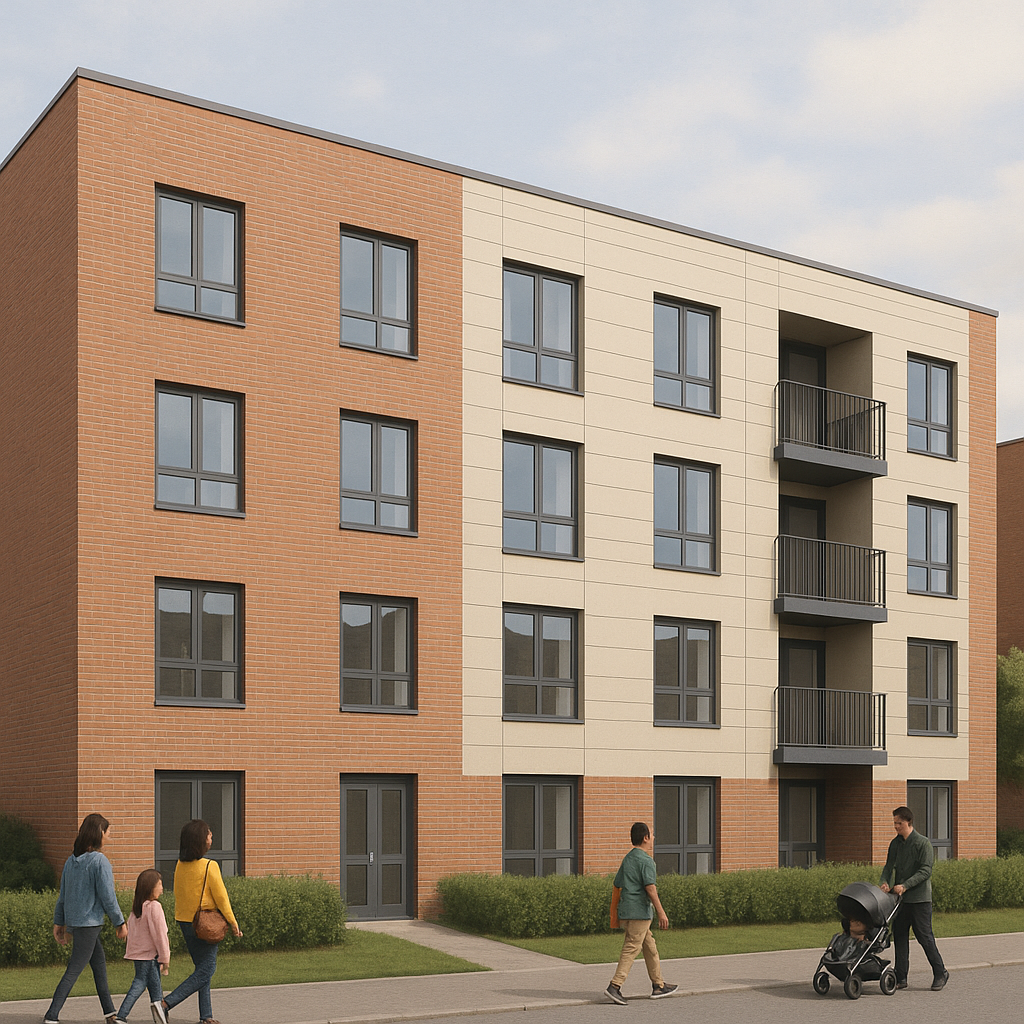
The Brighton & Hove case shows bigger problems. These problems face all builders under the new Building Safety Regulation.
Impact on Affordable Homes
Affordable homes are highly important. They help people find housing. However, project delays hurt people who are waiting. They must wait longer for safe, low cost homes. And also, higher costs mean fewer homes get built. This makes the housing crisis worse.
Dealing with New Rules
The Building Safety Act 2022 changes everything. It brings in needed safety rules. Nonetheless, it creates a new world for builders. They must follow very strict rules. They also face more checking. Therefore, planning for BSR processes must be a top priority now.
The Need for Teamwork in Building Safety Regulation
The HBH partnership is an example of teamwork. A council works with a builder. However, the case proves they need even better teamwork. They must work closely with the BSR. They also need to talk to residents early.
How to Reduce BSR Gateway 2 Delays in Building Safety Regulation
Builders and councils can learn from this case. Several steps can help avoid BSR Gateway 2 delays. This helps the project and aids building safety careers.
Talk to the BSR Early
Most importantly, talk to the BSR early. Do not wait to send your Gateway 2 application. Then, early talks can find problems fast. They also help clear up rules. Indeed, a service often exists for pre-application talks. Use it every time.
Solid Design and Clear Papers
The BSR checks all design papers closely. Therefore, these must be very good. All safety rules need clear proof. This includes fire safety and structure. Furthermore, use digital tools. These create a Golden Thread of information. This makes checking data simple for the BSR.
Plan for Surprises in Building Safety Regulation
New rules mean risks. Thus, always plan for delays in budgets and timelines. This means having a backup plan. Also, set aside extra money. Specifically, this money covers delays or changes the BSR might ask for.
Talk to Everyone Early
Talking well with everyone is key. This includes residents, builders, and planners. For instance, fix feedback early in the design stage. This stops late changes. Moreover, keep everyone updated on the project.
The Future of Building Safety Regulation and Construction
The Brighton & Hove case gives us a clear picture. Therefore, it shows the hard parts of today’s building world. However, it also shows the path ahead.
Lessons for Others
Other councils and builders should pay attention. The problems in Brighton & Hove are not unique. Therefore, learning from this case can help others get ready. Ultimately, this protects vital projects and their money.
Better Ways of Working in Building Safety Regulation
The Building Safety Act is new. Best practices are still being worked out. Consequently, the building industry must change. It must also share what it learns. Indeed, sharing knowledge will make safety better for everyone.
More Demand for Building Safety Careers
The need for skilled workers in building safety careers is growing. This includes jobs in checking rules and managing risk. The complexity of Gateway 2 proves this need. Therefore, if you want a career in this field, you will find many jobs. You will help make buildings safe.
Budget Increases: Paying for Building Safety Regulation Compliance
The Council’s decision to approve more money was wise. It kept the affordable homes project moving.
Money Matters and Rules
Cabinet members approved the money increase. This proves they want the homes built. However, it shows how new rules increase money problems. Consequently, councils must manage money well. They must balance social goals with smart spending.
Clear Talking About Building Safety Regulation Costs
The Cabinet meeting was open. It talked openly about why costs went up. This openness is vital. It builds trust with residents. Furthermore, it helps everyone see the true cost of better Building Safety Regulation.
Long-Term Safety vs. Short-Term Cost
More money is never fun, but it is an investment. It pays for safety. Ultimately, safe buildings mean fewer big risks later. They save lives. Therefore, the small cost now stops a much bigger cost later on.
Technology Can Help with Building Safety Regulation
Technology is a big part of making processes simple. It also can reduce delays from Building Safety Regulation.
Digital Tools for the Golden Thread
The Golden Thread of information is a key rule of the Building Safety Act. It requires easy access to accurate data. This must last through the building’s life. Indeed, digital platforms can handle this data well. They link all plans and decisions. This makes Gateway 2 submissions much simpler.
Building Information Modelling (BIM)
Building Information Modelling (BIM) is very helpful. It creates 3D models of buildings. These models include all build data. Consequently, BIM helps find problems early. This reduces redesigns and delays for BSR approval. Furthermore, BIM helps all teams work together.
Checking Rules Automatically
New technology can check rules automatically. It flags design problems against safety laws. Naturally, this can make reviews faster. It also helps make sure all rules are met before the BSR checks them.
The Human Side of Building Safety Regulation: Training
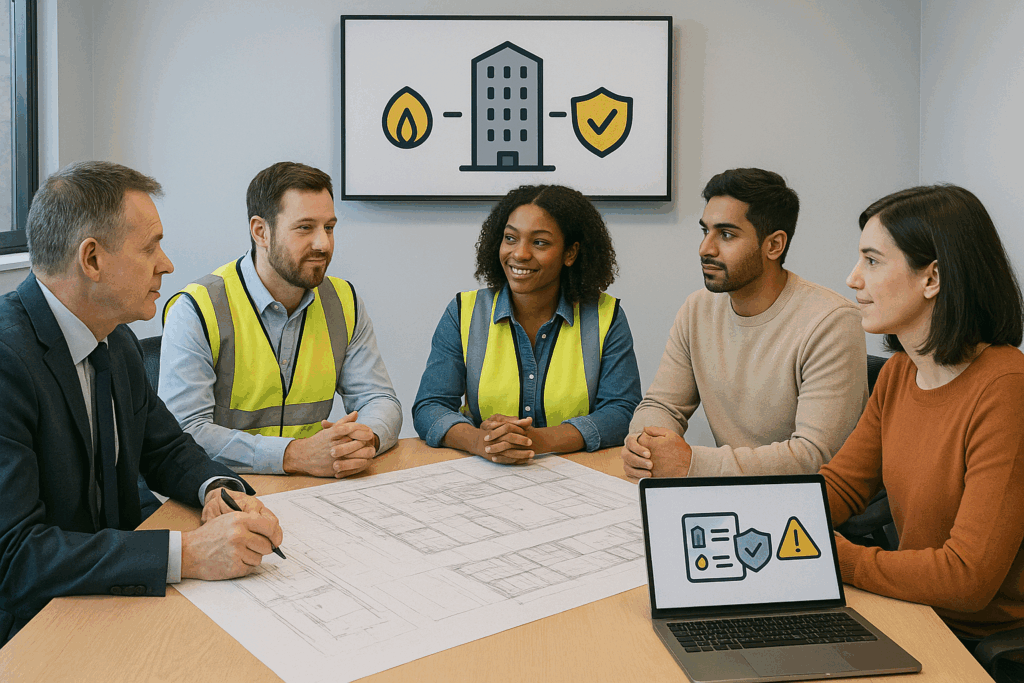
People are key to success, even with new technology. They must know the Building Safety Regulation rules.
The Need for Experts
Projects like this need skilled experts. They need architects, engineers, and safety managers. Moreover, these people must fully understand the Building Safety Act and BSR rules. Their skills help the project pass all safety checks.
Always Learning
The rules are always changing. Therefore, training is crucial. People in building safety careers must stay updated. They need to know the latest BSR advice. This ensures their advice is correct.
Training for Everyone
The whole team needs training. Not just the managers. This includes site workers and office staff. Ultimately, a well-trained team finds problems early.
Community and Building Safety Regulation
The Brighton & Hove project changed due to public feedback. This shows why talking to the community is important.
Residents Must Be Heard
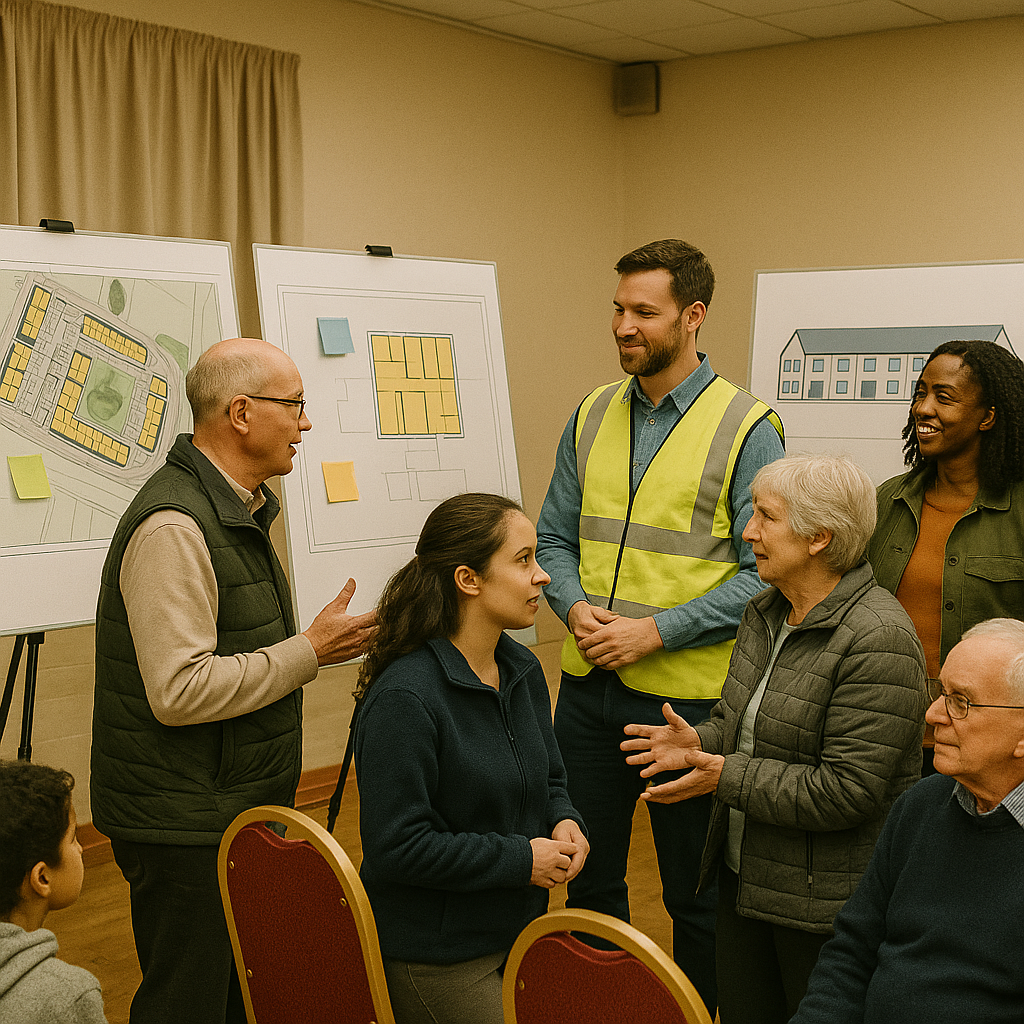
The Building Safety Act makes residents central to safety. Their ideas are very important. Therefore, builders must have good ways to talk to residents. Residents need clear information. Indeed, talking to future residents early leads to better homes.
Time Limits for Feedback
Getting feedback is good. However, it must be done fast. Teams need ways to collect and use feedback quickly. Furthermore, clear talk about how feedback changes the plan helps manage what people expect. This avoids big delays later.
Openness Builds Trust
Being open about problems builds trust. Consequently, if the project is late, explaining why builds support. This is true when delays happen because of safety checks under Building Safety Regulation.
Conclusion: Getting Used to New Building Safety Regulation
The Brighton & Hove City Council’s experience with Gateway 2 delays offers valuable lessons. It shows the real effects of new Building Safety Regulation. But, the main goal is still the same: building safe, good homes.
In conclusion, success needs good planning and teamwork. Talking to the BSR early, using digital tools, and hiring experts are key. Moreover, open talk with everyone, especially residents, makes projects stronger.
For those in building safety careers, this time offers both hard work and great chances. You are vital in making buildings safe. By learning from cases like this, the industry can adapt. It can ensure that new affordable homes move forward safely, even with tough new rules. Therefore, staying sharp and ready to change is the key to success.