The Brighouse Fire: Why Historic Building Fire Safety Matters Now
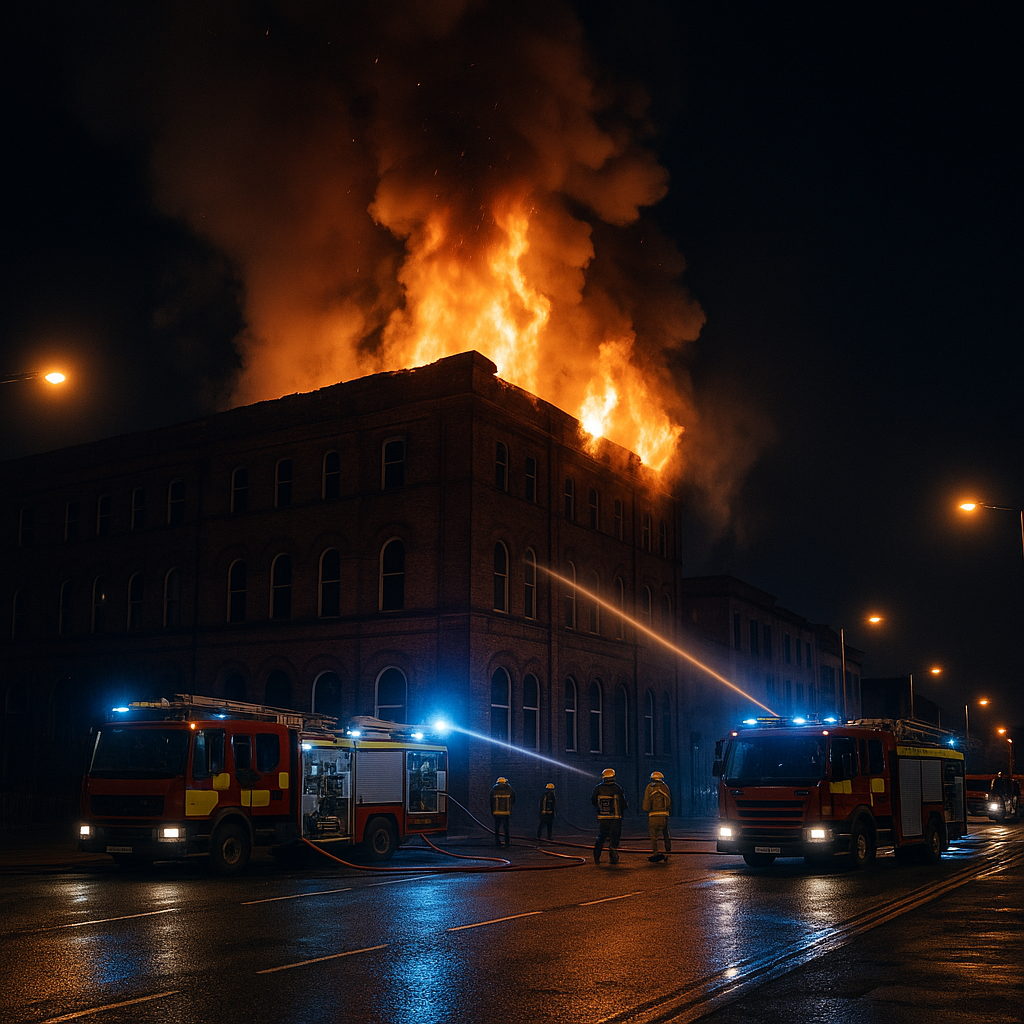
Flames tore through a former ballroom in Brighouse, West Yorkshire, on 6 December 2025. This tragedy shows us why good Historic Building Fire Safety is so important.
Firefighters from West Yorkshire Fire and Rescue Service got calls about a huge fire at the old building. They worked late into the night to put out the blaze. This fire at the empty former Ritz Ballroom (Venue 73) is a powerful warning. It directly challenges our practices for Historic Building Fire Safety. Therefore, safety experts must examine the Brighouse fire. Engineers and heritage groups also need to check the incident closely. Moreover, this sad event forces us to review our safety rules.
We must improve protective steps for older buildings. In addition, learning these lessons now is key to stopping future fires. Consequently, we can better save important historical buildings across the country. We need to prioritise Historic Building Fire Safety in all urban planning.
Part I: The Brighouse Incident – Anatomy of a Crisis Response
Initially, the West Yorkshire Fire and Rescue Service faced a huge job. The fire was very big. It started where Bradford Road and Bonegate Road meet. Consequently, many crews were needed to fight the large flames. The fire flared especially high at the back of the building. Furthermore, local groups quickly closed roads. These groups included the police and the council. They also told people nearby to keep doors and windows shut. This was necessary because of the thick, dark smoke.
For example, local reports said people heard loud bangs. They heard these bangs before the fire took over. Specifically, this sound often points to a very fast fire spread. It could also mean that certain materials stored inside caught fire. We still do not know the exact cause. Meanwhile, support services had a tough job, too. Yorkshire Water confirmed that firefighters used a lot of water from their pipes. Thus, water pressure dropped for about 50 nearby homes. This lasted only a short time.
Quick, Decisive action
Ultimately, the quick action and teamwork of the fire service were vital. They stopped the fire from spreading further. Nevertheless, the fire caused deep and widespread damage to the historic building. Indeed, the building itself created problems for the crews. Typically, old ballrooms, like this one built in the 1930s, have big open rooms. They also have hidden empty spaces. Consequently, fire spreads much faster in these buildings. Furthermore, these structures act like chimneys. They quickly pull heat and flames up throughout the building.
In short, fighting a fire is much harder. It is harder than in newer buildings with fire barriers. Therefore, the Brighouse blaze is a sad example of a crisis response. It shows how hard it is to manage fire in fragile, old buildings. However, this incident is not just about the response. Conversely, it is mainly a failure of proper building management. It is a failure of effective Historic Building Fire Safety.
Part II: Brighouse and the High Risks of Historic Building Fire Safety
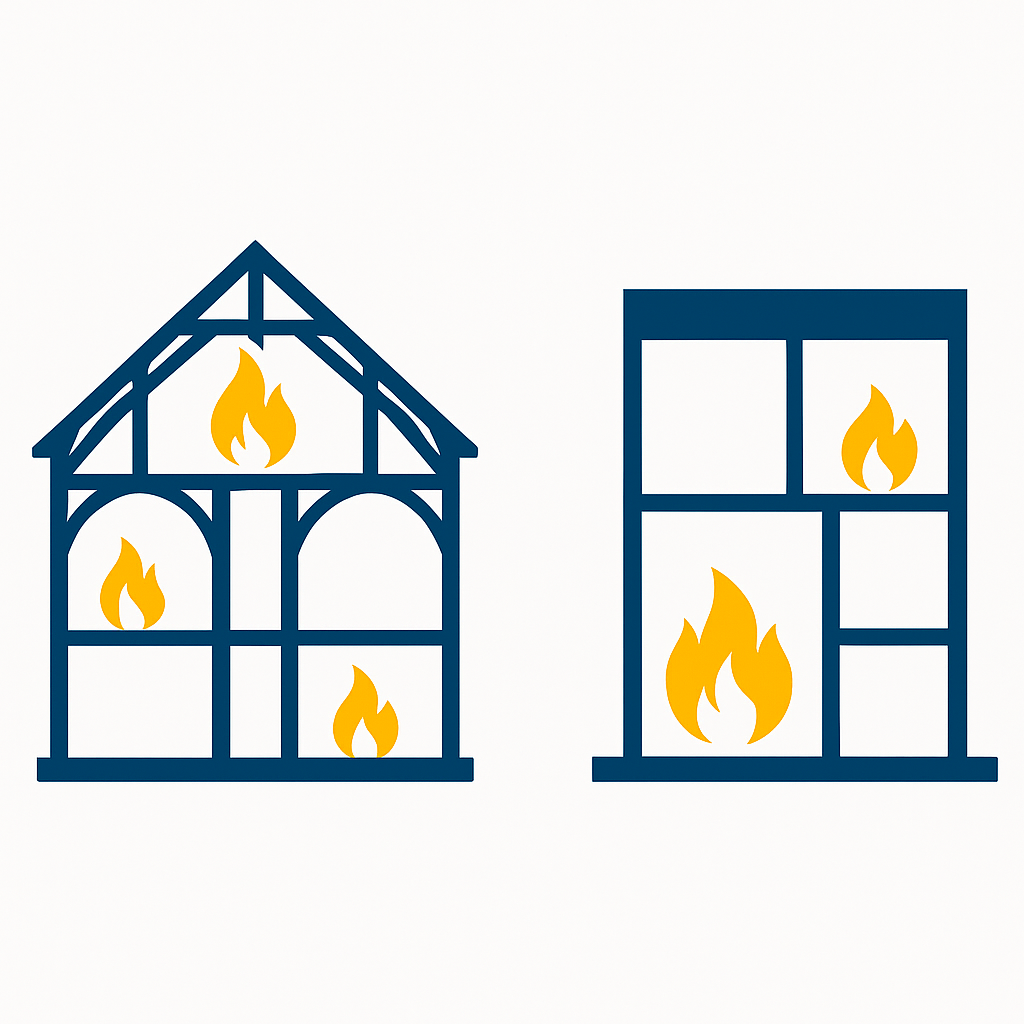
The Brighouse fire clearly shows that Historic Building Fire Safety needs special attention. Specifically, heritage buildings, like the old Ritz Ballroom, face unique fire risks. These risks are very different from modern buildings.
Unique Vulnerabilities in Historic Construction
Firstly, the danger comes from the materials builders used. Generally, structures from before the war contain huge amounts of structural wood. This wood has dried out over many years. Consequently, it burns very easily and quickly. Moreover, these buildings often have large, linked roof areas. They also have old wood lath walls. These parts, therefore, create open spaces. Fire and smoke can move easily through them. Fire can skip over walls and floors that should stop it.
To clarify, these structures often lack fire compartmentation. This is a key part of modern safety. In essence, once a fire gets into these hidden areas, we find it much harder to fight. This is a core failing of old style Historic Building Fire Safety.
The Danger of Vacancy: The Brighouse Status
The fact that the Brighouse building stood empty since 2020 makes the risk even bigger. Generally, old buildings that sit vacant are much more likely to catch fire. This is because people often target them by starting fires on purpose. Thieves stealing metal parts can also cause damage. This damage can wreck the electric wiring. Furthermore, nobody checks or fixes problems regularly. As a result, old wiring or bad heating systems remain unattended. These systems could easily start a fire. Consequently, these small faults become major hazards.
In the Brighouse case, the building sat in a waiting period. Plans to tear it down were submitted in August 2025. Thus, this waiting time leaves a building without proper security or care. Therefore, building safety managers need strict rules for protecting empty historic sites. Managers must establish these rules. They should include better security guards and frequent checks. They also need to turn off all power and gas.
Otherwise, the chance of a fire starting stays too high. Indeed, good safety management when a building is empty is the most important step. It prevents big historic building fires. This falls under the remit of Historic Building Fire Safetyplanning.
Part III: Proactive Fire Prevention and Historic Building Safety Management
The main lesson from Brighouse is this: We must move away from just putting out fires. We must move toward active Historic Building Fire Safety management. Building Safety Managers (BSMs) and Fire Risk Assessors play a vital role. They must keep these vulnerable places safe.
Specialised Fire Risk Assessments for Heritage Sites

To begin with, a typical Fire Risk Check (FRA) often proves insufficient for an old site. Instead, BSMs must commission special FRAs. These checks must understand the unique nature of heritage buildings. They must also know the building’s past use.
These checks must, therefore, specifically look at dangers caused by:
- Concealed Spaces: Finding empty spaces in roofs, floors, and walls. They should suggest placing small sprinklers or gas systems in the most dangerous spots.
- Combustible Loads: Finding and removing old items left from previous use, like the Venue 73 nightclub. These items include old furniture or stage props.
- Escape Routes: Making sure escape paths are clear and tested. This is important if people use the building temporarily for checks or repairs. Old buildings often have confusing escape paths.
- Security: Checking outside security to stop people from getting in and starting a fire. Whilst simultaneously making sure firefighters can still get inside easily.
In addition, the FRA must focus on finding fire very early. For example, in big rooms like ballrooms, special systems work better. These are systems like Aspirating Smoke Detection (ASD) . They are better than normal smoke alarms.
Therefore, BSMs should push for this technology. Consequently, it gives us the vital minutes needed. This allows us to start fighting the fire before it spreads in hidden voids.
Mandatory Maintenance and Systems Monitoring
Furthermore, staying committed to maintenance is key. Specifically, BSMs should create a set schedule for checking fire safety equipment. This includes:
- Electrical System Integrity: Historic buildings often collect many layers of old wiring. Thus, regular, professional checks are a must. They should aim to fully re-wire using safe materials during any major repair.
- Water Access: Making sure outside fire hydrants remain easy to reach. They must be clearly marked and checked often. As a result, this prevents water delivery problems. It prevents issues like the one seen in Brighouse.
- Active Systems: Testing fire alarms, suppression systems, and emergency lights often. Keeping records is essential. Indeed, a faulty fire system offers a false sense of security. Since it makes people think they are safe when they are not.
Ultimately, the BSM’s job is to make sure historic beauty meets modern safety rules. To summarise, this requires knowing both current laws and old building methods. Consequently, continued learning about fire protection for heritage sites remains essential for safety professionals. Good Historic Building Fire Safety training is vital.
Part IV: Post Fire Lessons: Structural Integrity and Future Policy
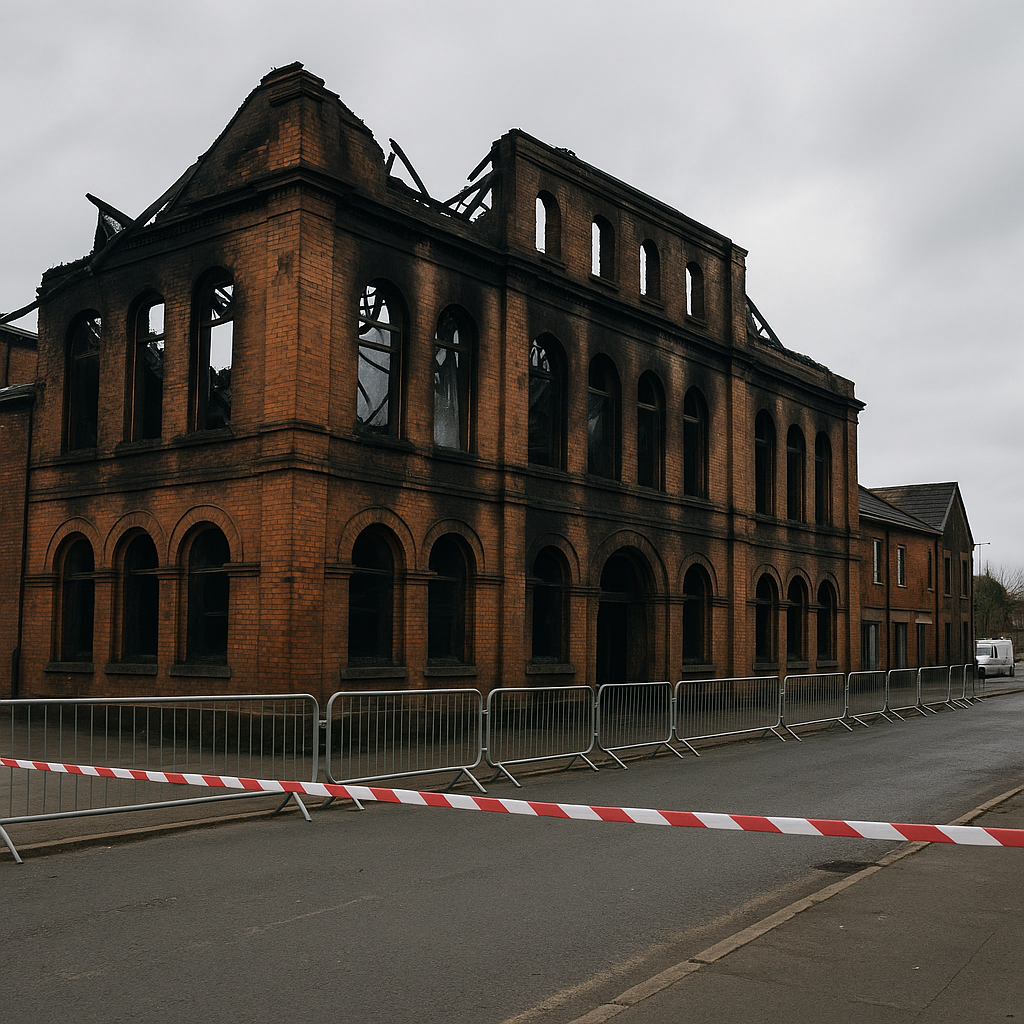
Once the fire stops, the next big job starts. We must check the building’s structure. We also need to plan what to do next. The Brighouse fire, therefore, brings up tough questions. What happens to old buildings after such heavy damage?
Assessing Brighouse’s Structural Integrity
Initially, structural engineers must make the site safe. This allows investigators to go inside. This is because the fire’s heat severely compromises materials. These are the materials that bear the building’s load. Steel can bend and break. Stone can crack or fall apart. Consequently, a full check must identify all the damage. This includes harm to the foundation, load bearing walls, and the roof.
On the one hand, people who value history will want to save and restore the building. Conversely, safety experts might recommend tearing it down. This depends on how much danger it creates for workers and nearby buildings. In this context, the fact that demolition plans for the ballroom existed adds to the debate. Specifically, the fire might have decided the building’s fate faster than expected.
However, finding the cause of the fire is still vital. Thus, fire investigators and police must search the scene carefully. They need to discover where the fire started. They also need to know why safety steps failed. This finding, in turn, helps us create better building rules. It also helps with insurance policies for other historic sites.
Policy Changes Driven by the Need for Better Historic Building Fire Safety
Ultimately, we must use the sad loss of the Brighouse ballroom to push for new laws. Furthermore, this event shows we need a clear set of rules for Historic Building Fire Safety. These rules should sit separate from standard business building codes.
For instance, stricter laws could mandate:
- Compulsory Suppression: Requiring the phased installation of hidden, sensitive sprinkler systems. This should apply to all irreplaceable historic properties. It should happen regardless of occupancy.
- Vacant Property Management: Introducing legal duties for owners of empty heritage buildings. They must maintain specific fire and security standards. Thereby stopping fires from helping owners neglect the building.
- Specialist Training: Making sure local fire crews get extra, regular training. This training should be specific to fighting fires in old, open plan buildings. This is key for effective Historic Building Fire Safety response.
Therefore, industry groups must work with lawmakers. The FPA, which reported this fire, is one such group. They need to turn these lessons into real changes. Indeed, many job chances exist in this field. It combines knowledge of history with modern safety tools. Consequently, this creates new career paths in building safety.
Conclusion: Securing Our Legacy Through Historic Building Fire Safety
The picture of the Brighouse ballroom burning is a harsh lesson for the building safety industry. It shows what happens when old buildings with unique risks lack modern safeguards. It also shows the result of inadequate management during vacancy.
In summary, the fire confirms that we urgently need higher standards for Historic Building Fire Safety. Consequently, safety managers, experts, and engineers must use this event to push for big changes. Therefore, every old building needs a smart, high tech fire plan. This plan must reflect the building’s special, irreplaceable value.
Moreover, by investing proactively in specialised fire checks, advanced detection systems, and stringent maintenance protocols, we can ensure that our architectural history is protected. We protect it for future generations through better Historic Building Fire Safety measures.
Finally, the choice is clear: we must act now, otherwise, we risk watching more of our valued heritage burn down.