The UK building safety world changed forever when Awaab Ishak died tragically. This happened because of severe mould in his home. Indeed, his death was a disaster. Now, a strong new law ensures that no other resident faces unsafe housing. This is Awaab’s Law Compliance. The law is now coming into force. Meaning, it is the new normal for all social housing providers.
For the Accountable Person (AP), this is not just another legal duty. Rather, it is a fundamental shift. The new law demands speed and care. Furthermore, you must move faster than ever. In fact, you must prove you are handling vital repairs. This post breaks down the law’s new, tough deadlines. Moreover, it shows how being proactive with Awaab’s Law Compliance creates a massive competitive advantage. It helps your building and your high paying career.
Part 1: Mandatory Compliance: The 14-Day Standard for Awaab’s Law Compliance
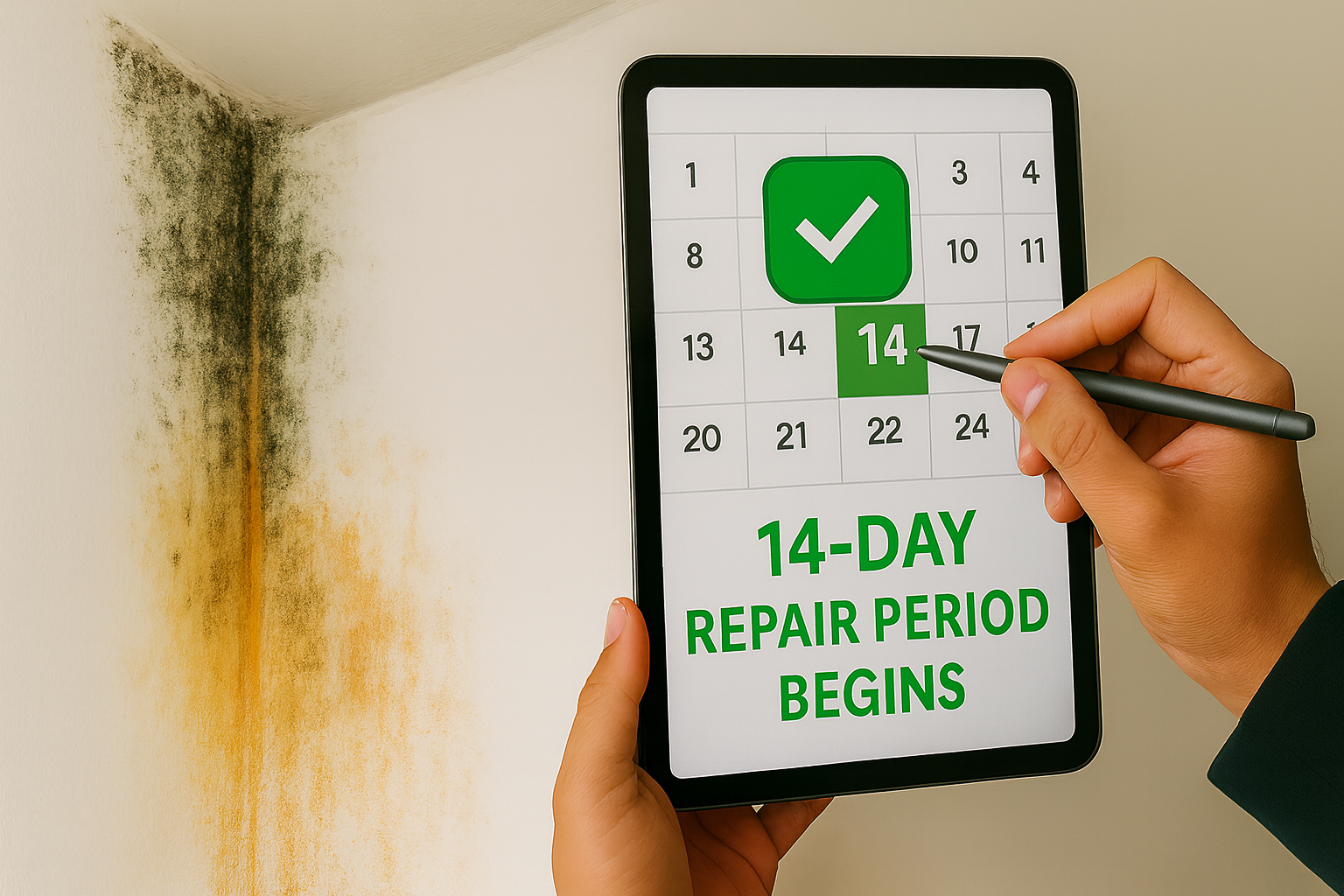
The biggest change under Awaab’s Law Compliance is the speed of action. That is, the law puts a legal time limit on fixing hazards. The housing sector has never faced this before. The government has confirmed these tight new deadlines. Clearly, they are a tough test for every AP managing social housing blocks.
The 14-Day Clock: Acknowledging and Starting Awaab’s Law Compliance Repairs
When a resident reports a serious hazard, the clock starts instantly. Therefore, your team must act without fail. In brief, the old, slow response is over.
- Acknowledge and Start: You have 14 calendar days to acknowledge the report. You must also start the initial repair work. This means having teams on the ground. First, you must assess the flat and confirm a plan. Only then can work begin.
- Fix the Issue: You have a fixed time to finish the repair. The time depends on the hazard’s severity. Generally, mould and damp must be finished fast. In short, the goal is to make the flat safe and healthy quickly. Next, you must document the successful outcome.
- Communicate Clearly: You must tell the resident the plan. You must share the expected end date. You must do this within the first 14 days. Ultimately, this communication duty is a huge part of Awaab’s Law Compliance.
Scope: Damp, Mould, and Major Disrepair Under Awaab’s Law Compliance
Awaab’s Law Compliance covers defects that harm health or safety. However, this goes beyond just structural failure.
- Damp and Mould: This is the core of the new law. Any reported damp or mould that impacts health is a priority fix.
- Serious Disrepair: This includes major issues with heating, ventilation, and sanitation. Namely, these are Category 1 and 2 hazards under the HHSRS system.
- Environmental Concerns: Any defect that makes the internal environment unhealthy. Eventually, this requires fast action.
Your duty as the AP is to treat these defects with near-emergency speed. Thus, your system must reflect this new reality.
Part 2: Compliance Strategy: The 3-Step Action Plan for Awaab’s Law Compliance
Achieving Awaab’s Law Compliance is not possible using old processes. In fact, you need a fast, three step action plan. This prepares your whole organisation for speed.
1. Digital Triage: Meeting the 14-Day Awaab’s Law Compliance Rule

You cannot afford paper trails or slow email chains. When a report comes in, you need a system that captures it instantly. Consequently, the clock starts then.
- Log It: Use digital tools. They must log the reported hazard immediately. Then, they must sort it by type and severity. Hence, this speeds up the response.
- Audit Your Data: Audit your current repair backlog. What is the average time to start a repair? What is the average time to finish it? You must fix these numbers now. Awaab’s Law Compliance demands real-time speed. Still, you must ensure the data is accurate.
- Clear Ownership: Assign ownership to the defect report right away. The person responsible for the 14-day deadline must be clear.
2. Supply Chain Readiness: Contractor Speed for Awaab’s Law Compliance Delivery
Meeting the 14-day start deadline is a logistic challenge. Clearly, your contractors must be ready to move fast.
- Review Contracts: You must check all contractor contracts now. Do they include fines for failing the 14-day start rule? Or, are they ready to prioritise Awaab’s Law Compliance issues?
- Local Resources: Rely on local maintenance teams. They can often start work faster than regional teams. Truly, speed is more important than cost in this new legal setup.
- Stock Supplies: Ensure your depots hold essential materials. Keep items like mould treatment and ventilation units ready. Similarly, delays due to a lack of stock are not an excuse for failing the law.
3. Resident Communication: Publishing Compliance Timeframes
Compliance is only possible if residents know the rules. This helps you. Moreover, they will expect action quickly.
- Publish New Timeframes: You must tell all residents the new 14-day start rule. They need to know what to expect. Furthermore, share the process for reporting hazards. For example, use text messages or app alerts.
- Proof of Communication: Always document the acknowledgement. Document the repair plan you send. Crucially, this is key evidence for Awaab’s Law Compliance audits.
- Update the Resident Handbook: The duty to inform must be a core part of your resident handbook. Ultimately, this prevents complaints later on.
Part 3: Embedding Awaab’s Law Compliance: Culture, Training & AP Career Growth

The new law requires deep culture change. However, Awaab’s Law Compliance demands a fully trained team that treats all hazards with urgency.
Training: Preparing Frontline Teams for optimal Compliance Speed
Every team member must know their role in the 14-day clock.
- Frontline Training: Customer service and reception staff must know how to log the defect correctly. They must log it straight away. In this way, this prevents delays.
- Contractor Briefing: Hold training sessions for all contractors. Make sure they understand the legal time limits. Indeed, they are now the most important link in your Awaab’s Law Compliance chain.
- Internal Audit: Run mock audits. Test your internal 14-day response time. Find the weak points before the Regulator finds them. Hence, this protects your reputation.
AP Career Growth: The Value of Awaab’s Law Compliance Expertise
The best AP teams do not view Awaab’s Law Compliance as a burden. Conversely, they see it as a chance to excel. Proactive action does not just avoid fines. Rather, it adds massive value to the building, to the provider, and to your career.
- De-Risking the Asset: Quickly fixing hazards reduces the financial risk to the building owner. It reduces the chance of legal action. So, this proactive approach makes your building assets safer and more valuable.
- Better Audits: When you have a clear, fast process, BSR audits become much easier. They see proof of Awaab’s Law Compliance instantly. Plus, this speeds things up.
- Market Value: Housing providers need APs who are experts in this new, fast-paced compliance world. Your ability to manage risk and meet the 14-day rule makes you highly sought after. Thus, this leads to higher pay and better roles.
Conclusion: Invest Now, Stay Ahead
The launch of Awaab’s Law Compliance is a watershed moment for social housing in the UK. The 14-day timeframe is a serious challenge. Yet, it is also a great opportunity for the AP.
The best Accountable Person will invest in digital tools and clear communication now. They will turn a legal duty into a community team up. By taking proactive steps, you will not only meet the demands of Awaab’s Law Compliance. You will also build a reputation for efficiency, safety, and care. In the end, this reputation is the key to both professional success and genuine resident satisfaction. Don’t wait for the first penalty. Start your Awaab’s Law Compliance audit today. This is the new minimum standard for excellence.