The Ultimate Application Guide for Building Safety Jobs
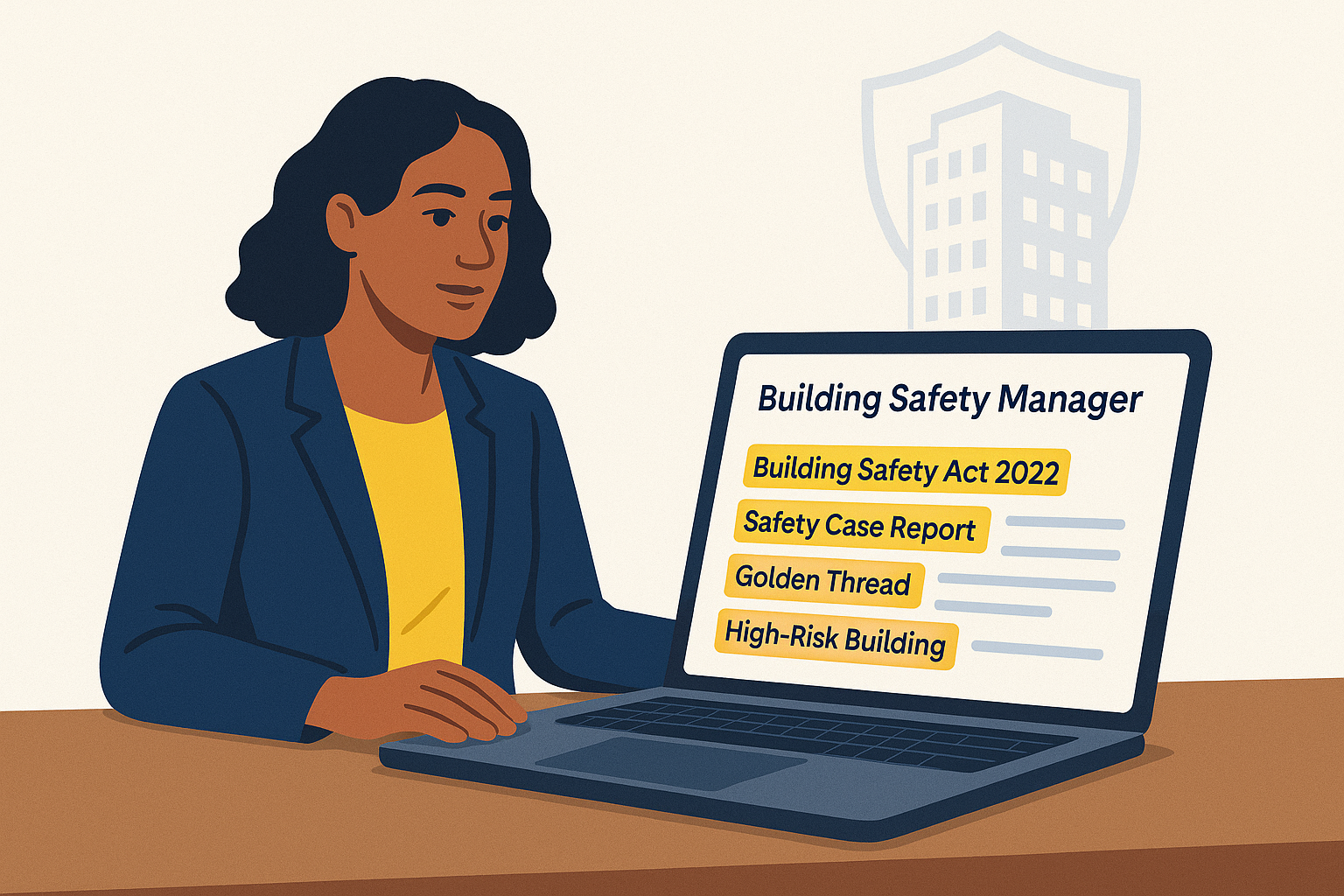
Getting a job in the Building Safety sector is hard. New regulatory bodies and strict legal duties come from the Building Safety Act 2022 (BSA). Therefore, you must know the basic safety culture and your full responsibility. This Application guide details the best plan you must take. It proves you are driven by safety first.
Your CV shows your skills. However, your supporting statement or cover letter is your voice. You demonstrate your passion and strategic thinking in this document. Subsequently, this application guide will walk you through the easy steps you need to read complex job descriptions. You can then write strong supporting statements. This helps you avoid common mistakes.
The Application Guide to Reading the Job Description (JD)
A job description (JD) for a Building Safety Manager (BSM) is not just a wish list. It is a legal paper. Also, this paper sets out your responsibility and the skills you require for the Principal Accountable Person (PAP).
First, you must understand the JD. This is the first step in tailoring your application. So, break the JD into three main parts. In addition, this makes sure you write the right things.
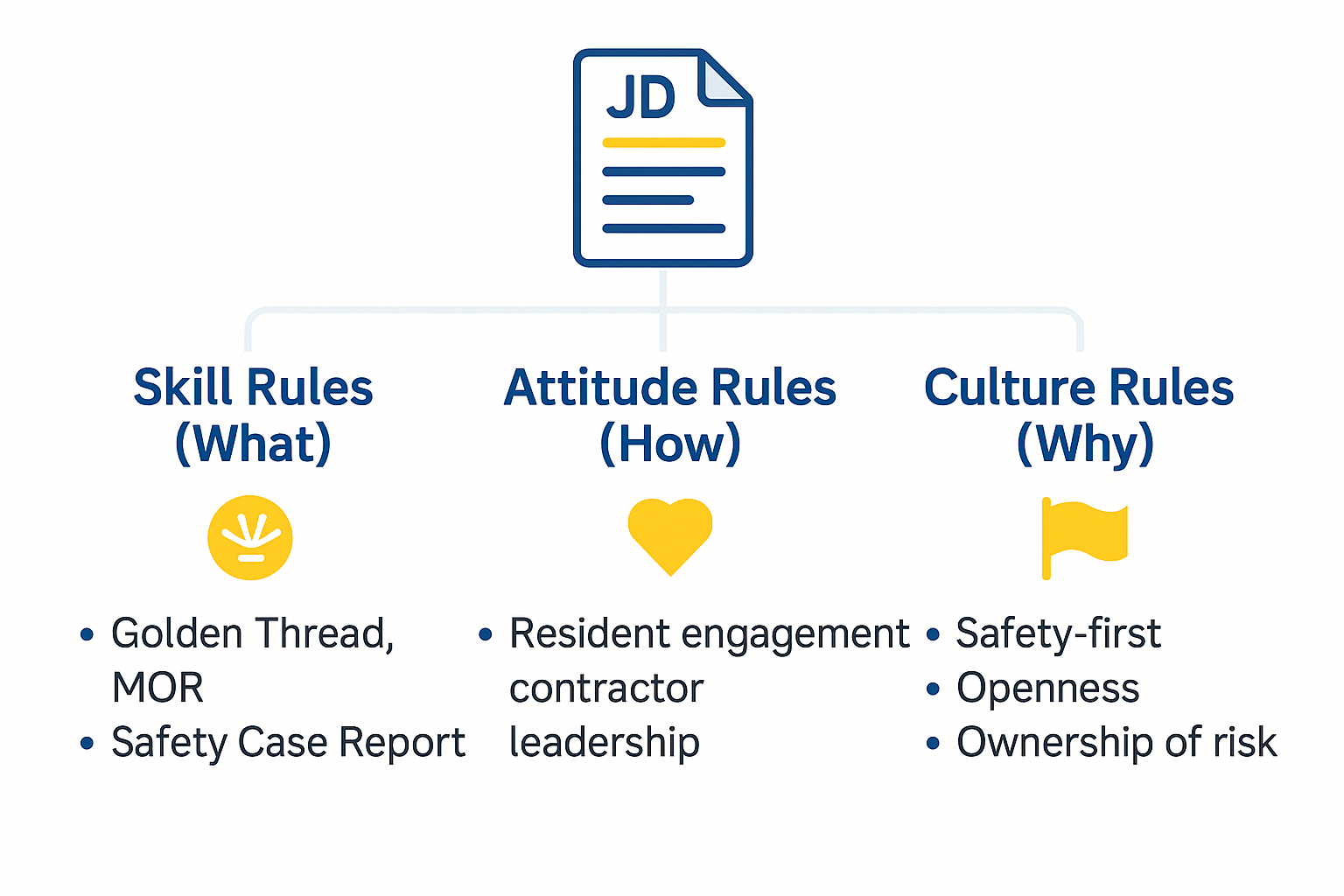
1. The Skill Rules (The ‘What’)
These are the non-negotiable legal and technical skills. They relate directly to the BSA and the Fire Safety Order (FSO). Thus, look for terms like Golden Thread, Safety Case Report, Mandatory Occurrence Reporting (MOR), Type 4 Fire Risk Assessment (FRA), and External Wall Systems (EWS) Fix.
- Your Plan: For instance, you must include simple, real-life examples of how you have met these rules. If the JD asks for “Golden Thread” skills, you must provide an example. And this shows how you managed data integrity. Moreover, do not just say you held the responsibility.
2. The Attitude Rules (The ‘How’)
These skills are often hidden in sections like “Candidate Profile.” They describe how you manage risk, talk to residents, and lead contractors.
- Keywords to Identify: Look for phrases such as Talking to People, Working with Regulators, Solving Hard Problems, or Team Leadership.
- Your Plan: You must use real-life stories to show these points. If they ask for communication skills, describe a time you successfully fixed a disagreement. In short, you must ensure safety was the main goal. This shows you can use technical rules in real life.
3. The Culture Rules (The ‘Why’)
This section is often missed. It relates to the company’s core values. This shows their commitment to resident safety and openness.
- Keywords to Identify: These often include the company’s mission, like Safety-First Culture, Openness, or Taking Ownership of Risk.
- Your Plan: Using these words proves you have done your homework. For example, if the company stresses “Openness,” then you should mention this. This describes how your documentation helps residents know about fire safety.
Tip: First, create a three-column sheet for the JD. Title the columns ‘Rule,’ ‘My Evidence,’ and ‘Words to Use.’ Subsequently, this structured plan ensures you cover everything they ask for in this Application guide. Truly, this is vital.
Writing Strong Supporting Statements: An Application Guide
Your supporting statement is your chance to look forward. It shows what you will achieve for the company. The aim is not to repeat your CV. However, you must give context to show the impact of your skills.
The Statement Structure
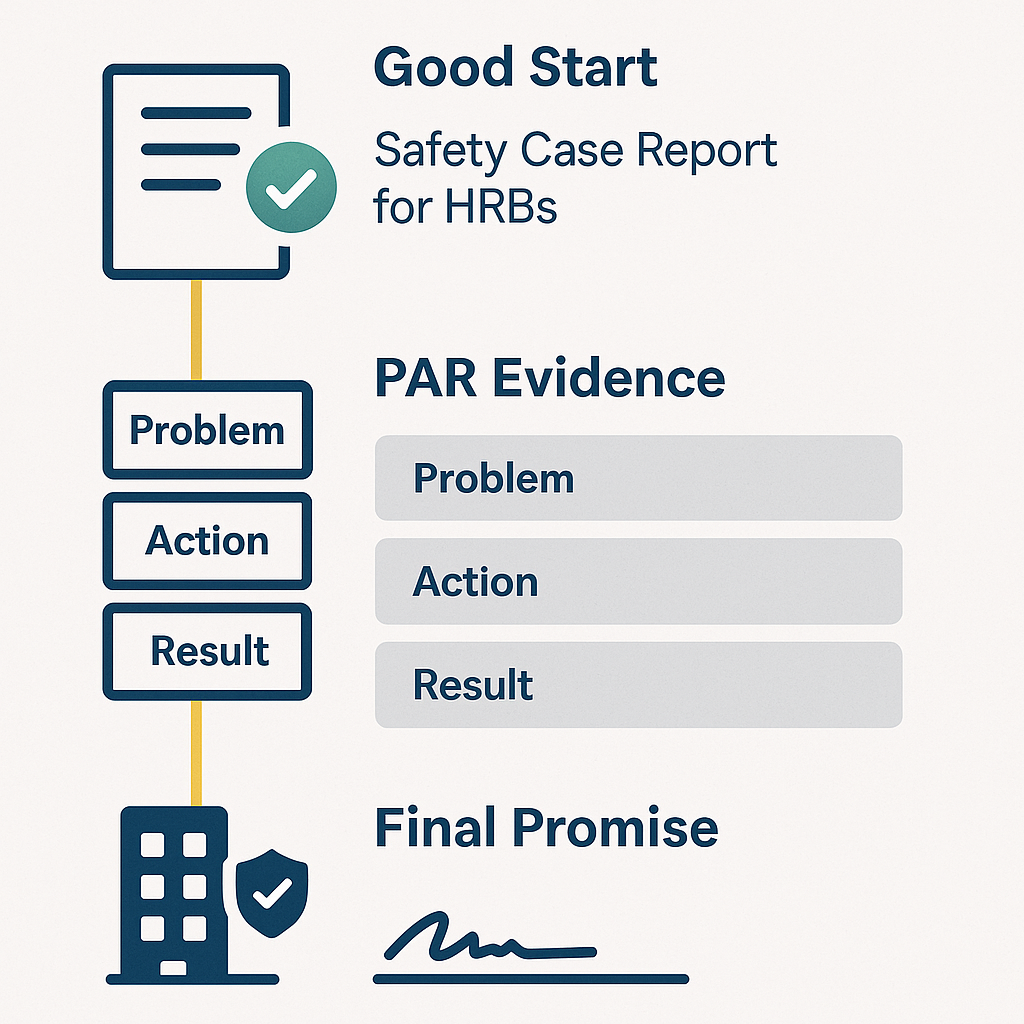
A strong supporting statement uses a three-part structure.
- The Good Start (1 Paragraph) Use the opening to immediately show your level. In addition, show you understand the job’s main challenge. Do not start with, “I am writing to apply for…”
- Goal: You must show you are relevant in the first two sentences. Otherwise, you move on too slowly.
- Focus: Next, address the biggest job rule directly. For example: “I can easily manage the critical Safety Case Report. I have delivered full safety rule compliance for three high-rise blocks (HRBs) under the BSA.”
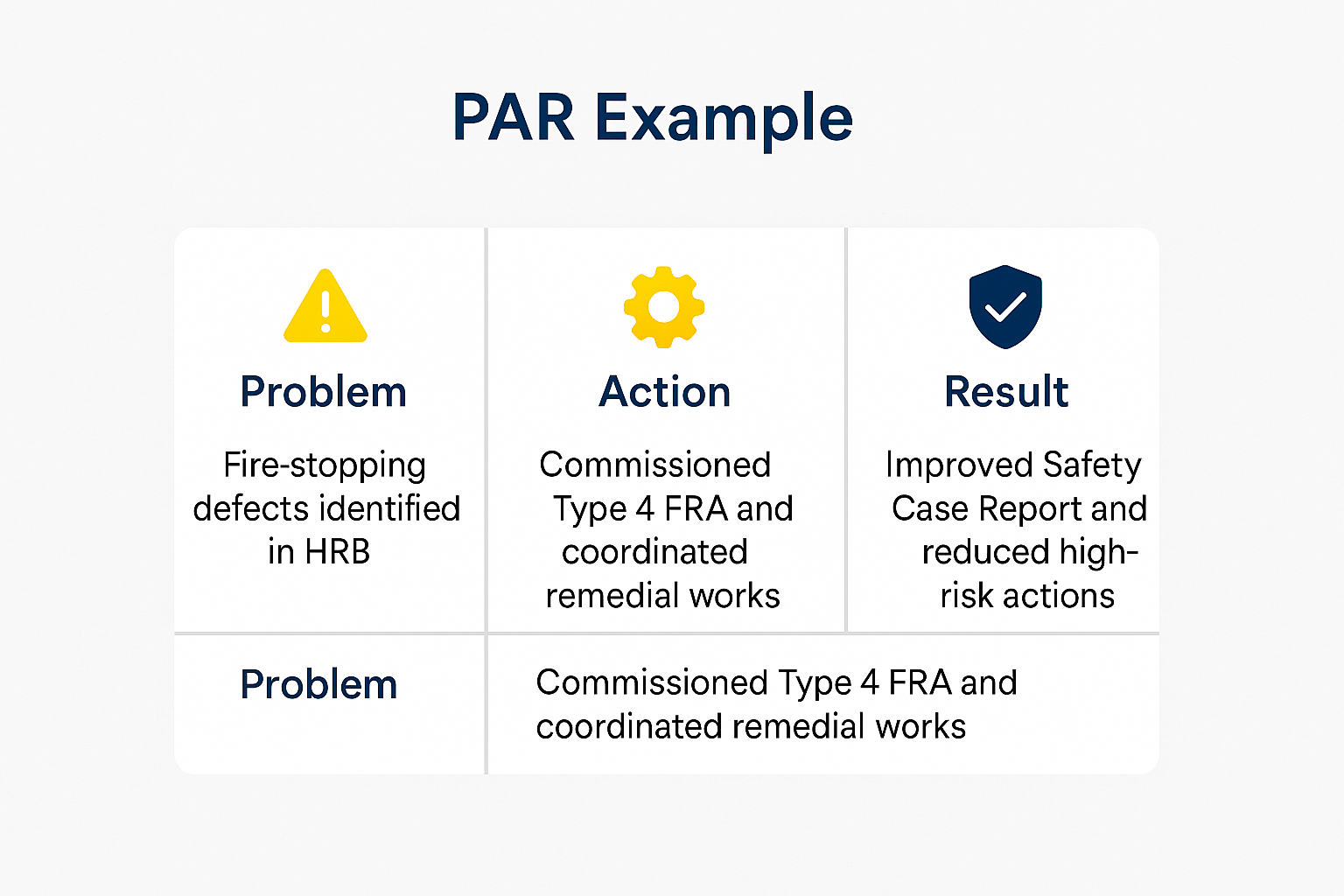
- The Proof: The Problem-Action-Result (PAR) Method (3–4 Paragraphs) This section, which is vital to this Application guide, contains your main arguments. Therefore, you should structure it around three or four key successes. Also, each success must directly link to a different job rule.The PAR Method is simple:
- Problem: Briefly state the specific issue you faced.
- Action: Then, detail the steps you took, focusing on your specific decisions.
- Result: Finally, show the measurable benefit.
- The Final Promise (1 Paragraph) The closing should move from your past success to a firm promise about the future role.
- Goal: You should repeat your passion for the company. Then, ask for the next step.
- Focus: End with a clear statement. Say how your skills will help the company’s safety program.
Mistakes to Avoid in Your Application
In a safety job, detail is vital. Errors in the application suggest poor attention. So, employers deem this unacceptable for a life-safety role.
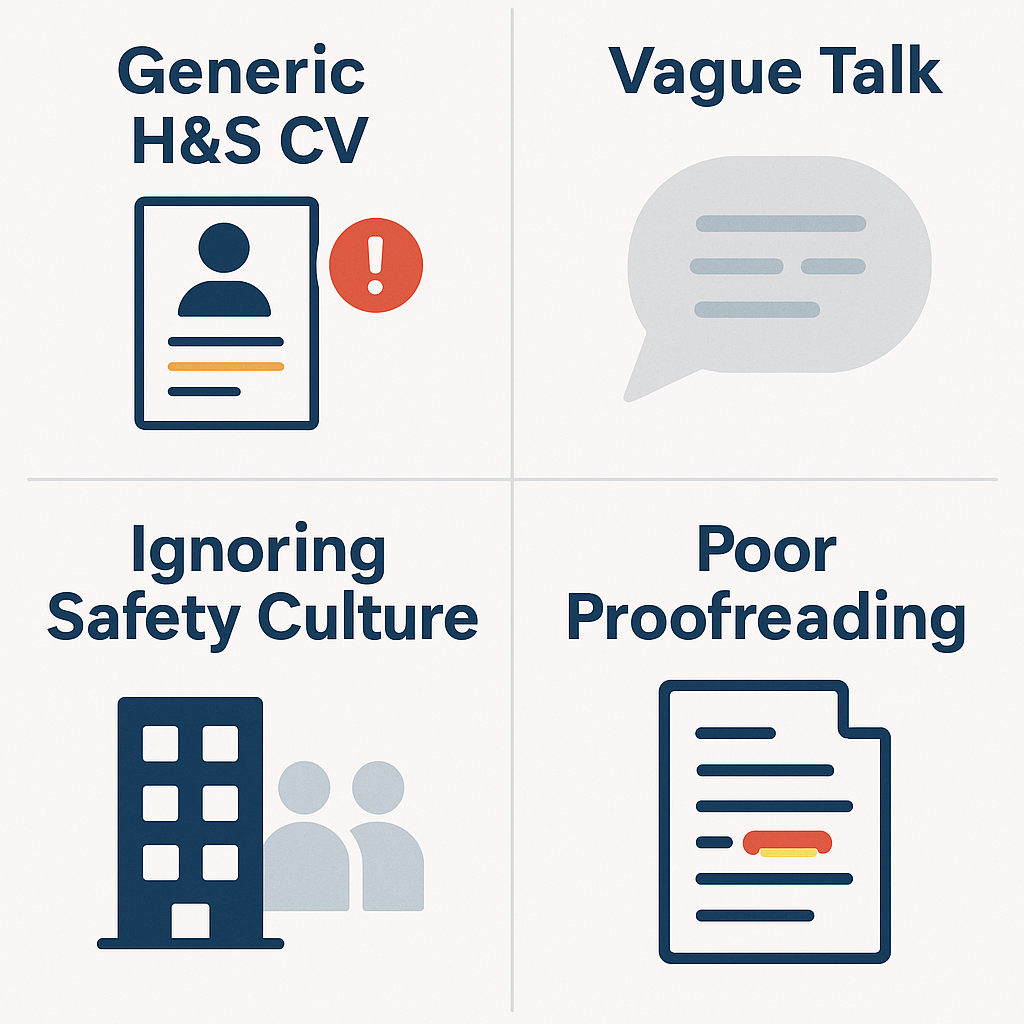
1. Simple H&S Templates
Do not treat this application like a simple H&S job. This is the biggest mistake.
- The Problem: General H&S CVs focus on low risks. They use the old term “Health and Safety Officer.” In fact, they often fail to mention the BSA.
- The Fix: Your documents must show you are a specialist. Use the key safety words from Section 1. For a BSM job, you must focus on HRB rules, Golden Thread management, and Statutory Compliance.
2. The “Vague Talk” Trap
Vague language in a statement signals that the candidate does not fully understand their past work.
- The Problem: Non-committal phrases are used, such as: “Was involved in fire door checks” or “Often had responsibility for safety issues.”
- The Fix: Use active voice and specific titles: “I led the fire door inspection program,” or “I owned the process for Statutory Compliance.” Own your actions, and show the results with numbers. Moreover, good language is key.
3. Ignoring Safety Culture
Not showing that you own risk is a frequent failure point.
- The Problem: Focusing only on technical skills without mentioning people. The applicant looks skilled but distant from the residents. Hence, you must dedicate a section to your resident work.
- The Fix: Compliance is about people living safely. Therefore, mention how you share safety issues clearly.
4. Poor Proofreading
Spelling errors are major red flags. Precision and documentation are core legal requirements.
- The Problem: Typos or submitting a CV with a previous client’s name.
- The Fix: You must triple-check your document. Crucially, ensure you use UK English spelling (e.g., prioritising) and consistent date formats. A small error here implies poor detail. This is unacceptable for Statutory Compliance work.
Final Step in Your Application Strategy
Skill is the minimum; passion is the difference. Therefore, employers want people who see safety compliance as a moral duty. You need to show risk ownership and a proactive mindset.
1. The Proactive Mindset
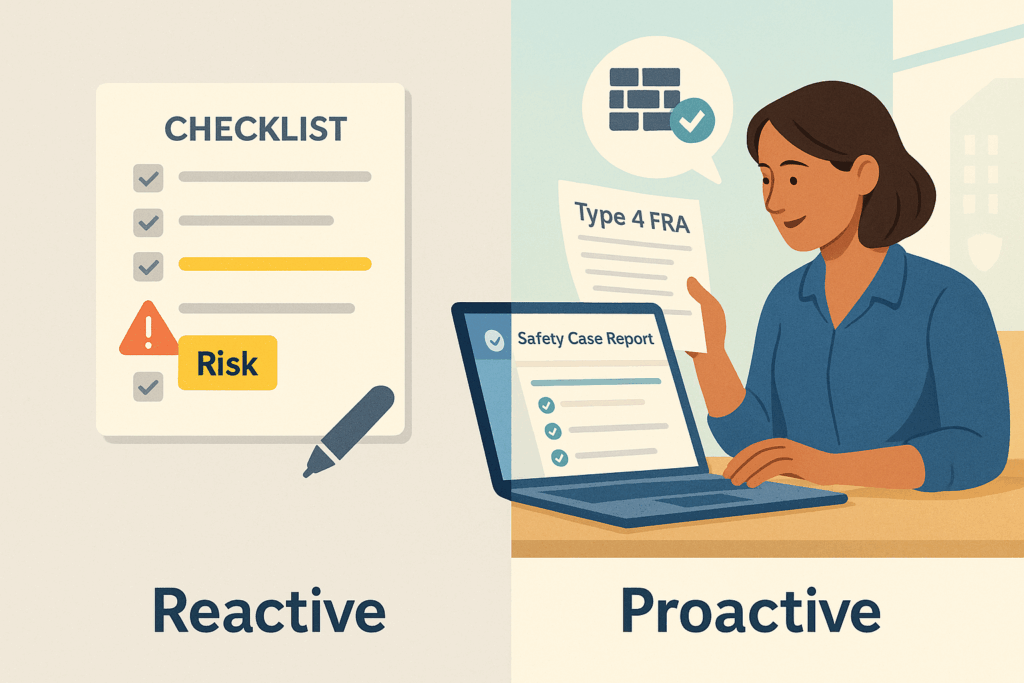
A competent professional fixes problems. However, a great professional stops them. Indeed, your statement should highlight times where you stopped risk beyond the minimum legal need.
- Example (Technical): Instead of just saying you completed Type 1 FRAs, say: “I hired an external consultant to do a high-level Type 4 FRA. This happened after our internal check found fire stopping issues. This led to a better Safety Case Report.”
2. Why You Care
Why are you in building safety? Basically, this is the core question that your Application must answer.
- Focus on Impact: Share a quick, powerful story that shows your commitment. Still, do not break confidentiality.
- The Final Word: Use the closing paragraph to link your drive to the company’s mission. By showing your commitment to residents’ well-being, you prove you have the right Compliance Culture mindset.
3. Future-Proofing Your Application
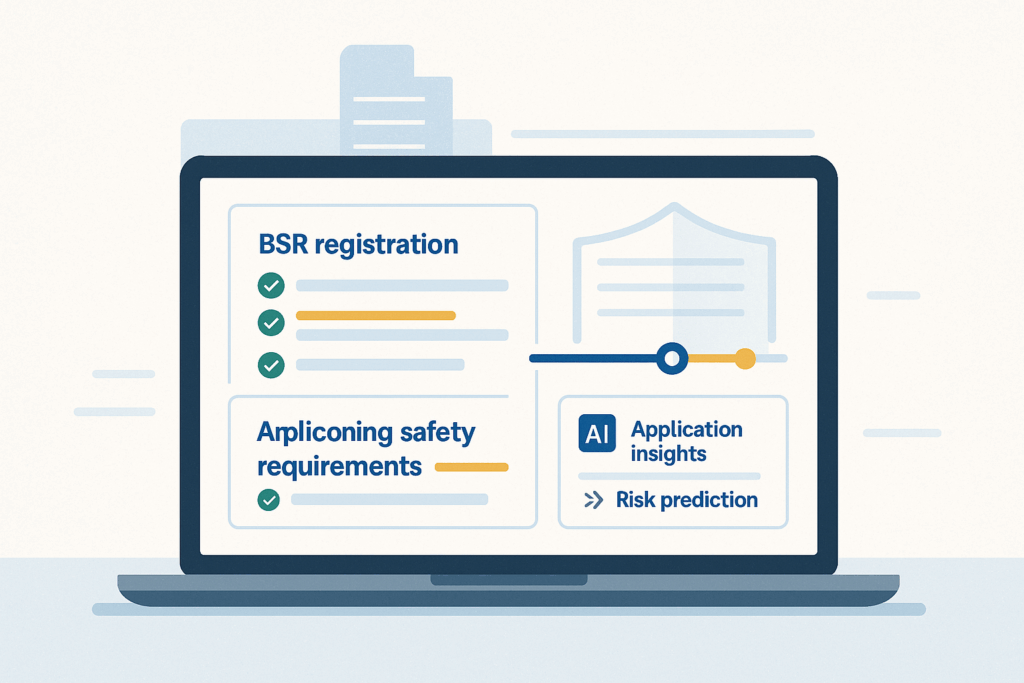
Finally, demonstrate that you plan for future changes.
- BSR Registration: Mentioning you are tracking the rules for Building Safety Regulator (BSR) registration shows forward planning.
- Emerging Technology: Briefly mention new things like AI-driven software, positioning yourself as a future leader.
Your application must be a clear plan. This proves your skills and your dedication to safety. This significantly enhances your visibility. Consequently, you secure crucial interview invitations for the most sought-after Building Safety jobs. Follow this application guide and read the next in the series for the next step in your building safety career.