
The Building Safety Regulator (BSR) is making a big move to keep our homes and offices safe. Recently, the BSR opened a “call for evidence” to start a full review of the Conditions of Authorisation. These are the vital rules that manage self-certification schemes in the UK. Because these rules date back to 2016, the BSR wants to know if they still work for today’s world. They are asking for your help to shape the future of building safety.
What Are the Conditions of Authorisation?
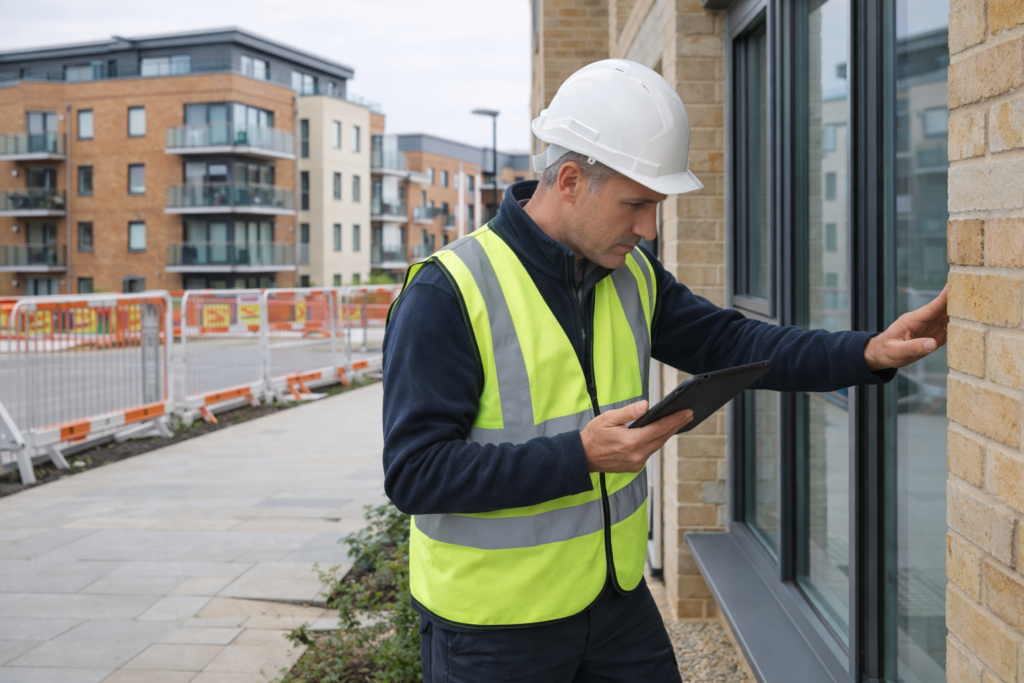
Before we dive into the changes, let’s look at what these rules actually do. Many tradespeople, like plumbers and electricians, use self-certification schemes. These schemes allow them to sign off on their own work. This means they do not have to wait for a local council inspector to visit. However, these schemes only work if the companies running them follow strict rules. Those rules are the Conditions of Authorisation.
Think of the Conditions of Authorisation as a guidebook for the “bosses” of the safety schemes. They set the bar for how these groups check their members. If the rules are strong, we can trust that the work is safe. If the rules are weak, safety might slip. Therefore, the BSR is checking every page of that guidebook right now.
Why We Need to Review the Conditions of Authorisation Now
You might wonder why the BSR is doing this now. The answer is simple: the building industry has changed a lot since 2016. After the Grenfell Tower tragedy, the government passed the Building Safety Act 2022. This law changed everything. As a result, the old Conditions of Authorisation are starting to look a bit dusty.
Moreover, the BSR is now the main watchdog for the entire industry. They want to make sure every part of the system is as tight as possible. By updating the Conditions of Authorisation, they can ensure that “self-certified” work is just as good as work checked by a government inspector. Consequently, this review will help build more trust with the public.
How the Conditions of Authorisation Protect Homeowners
Most homeowners don’t know that the Conditions of Authorisation exist, but they benefit from them every day. For example, when you get a new boiler or new windows, you want to know the job is right. You rely on the installer’s scheme to guarantee that quality. If the Conditions of Authorisation are high, the scheme will catch mistakes before they become dangerous.
However, if the rules stay stuck in 2016, they might miss new risks. Modern buildings use new materials and complex tech that didn’t exist a decade ago. Therefore, the BSR is asking if the current Conditions of Authorisation cover these new areas. They want to keep your family safe by keeping the rules up to date.
Improving Competence Through the Conditions of Authorisation
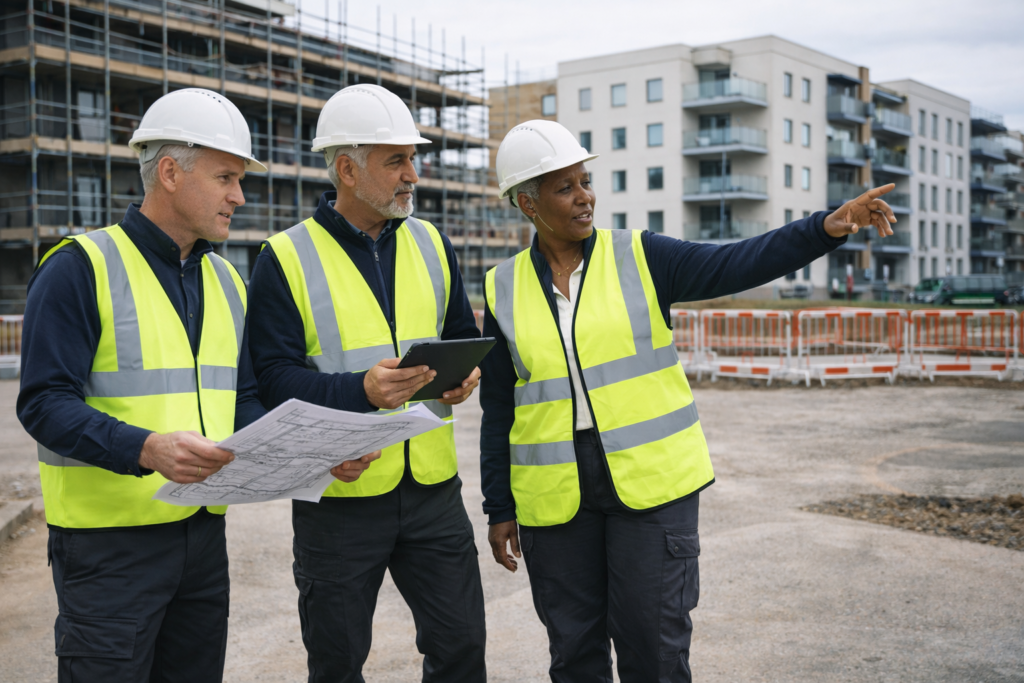
One of the biggest goals of this review is to boost worker skill levels. Currently, the Conditions of Authorisation require schemes to check if their members are “competent.” But what does that word really mean in 2026? The BSR wants to define it more clearly. They want to ensure that every worker stays trained on the latest safety laws.
In addition, the BSR is looking at how schemes punish people who do poor work. If a contractor cuts corners, the Conditions of Authorisation should make it easy to remove them from the scheme. This “tough love” approach will help clean up the industry. Consequently, honest workers will have a better reputation, and bad actors will have nowhere to hide.
Technology and the New Conditions of Authorisation
We live in a digital age, and building safety should reflect that. In 2016, we still used a lot of paper forms. Today, we use apps, clouds, and digital logs. Because of this, the BSR is looking at how the Conditions of Authorisation can use technology. They want to see if digital records can make safety checks faster and more accurate.
For instance, a digital “Golden Thread” of information can track a building’s life. If the Conditions of Authorisation require digital sign-offs, we will have a permanent record of who did what. This makes everyone more accountable. Furthermore, it makes it much easier for future owners to know their building is safe.
The Role of Data
Data is a powerful tool for safety. Right now, the BSR wants to know if they are getting the right information from scheme operators. Are we seeing enough reports on site inspections? Do we know how many complaints people are making? The Conditions of Authorisation will likely demand better data sharing in the future.
By collecting better data, the BSR can spot trends. If a certain type of work keeps failing, they can step in early. Therefore, the Conditions of Authorisation are not just about boring paperwork. They are about using information to prevent accidents before they happen. This shift toward data-driven safety is a huge part of the BSR’s new vision.
Financial Stability

It’s not just about the tools and the talent; it’s also about the money. The BSR wants to ensure that the companies running these schemes are financially healthy. If a scheme operator goes bust, thousands of workers could lose their certification overnight. This would cause chaos in the industry.
To prevent this, the Conditions of Authorisation set financial rules. The BSR is now checking if these rules are strong enough to survive a tough economy. They want to make sure these schemes are around for the long haul. Consequently, a more stable system leads to a more stable building sector for everyone.
Your Voice
The BSR isn’t doing this in a vacuum. They want to hear from you. Whether you are a small business owner, a safety manager, or a concerned citizen, your input matters. The call for evidence is a chance to say what is working and what is broken. Because you are the ones on the ground, you see the problems that people in offices might miss.
For example, you might think the current Conditions of Authorisation are too complicated. Or, you might think they aren’t strict enough on certain types of work. By speaking up, you can help the BSR find the right balance. This is a rare chance to help write the rules that will run the industry for the next ten years.
What Happens Next?
Once the call for evidence closes, the BSR will read every response. They will then use this feedback to draft the new Conditions of Authorisation. After that, there will likely be a formal period of change where schemes have to update their ways of working. It won’t happen overnight, but the process has officially started.
In the meantime, professionals should stay informed. Understanding the Conditions of Authorisation will be a key part of any building safety job in the future. Those who stay ahead of these changes will be the leaders of the new, safer construction world.
Conclusion: Why This Matters for the Future
In the end, the Conditions of Authorisation are about one thing: making sure buildings are safe places to live and work. By reviewing these rules, the BSR is showing that it takes its job seriously. They are looking at the past to build a better future.
The industry is moving toward a culture of pride and precision. Better Conditions of Authorisation are the foundation of that culture. As we move forward, let’s embrace these changes and work together to raise the bar for building safety across the UK.
Join the Frontline of Building Safety
Are you ready to take the next step in your career and lead the way in building safety? We are currently seeking a dedicated and experienced Building Safety Manager for a full-time role in London. This is a fantastic opportunity to manage a high-profile portfolio and ensure compliance with the very latest regulations discussed in this article.
Position: Building Safety Manager
Location: London
Salary: £69,400 per annum
Apply Here: Building Safety Manager – Full Time – London
Don’t miss your chance to be part of the changes shaping our industry. Apply today!