Why Diversity in Building Safety Is Your Best Risk Strategy

The Building safety job market is changing. First, the new Act needs new skills. You must be competent. Also, you must be accountable. Residents need trust. However, one area is slow. Who gets to join the field? So, we must widen the talent pool. This builds safer homes. In turn, this builds stronger teams. Finally, Diversity in Building Safety matters now.
This guide helps housing leaders. It helps developers and councils. Specifically, it shows you how to hire well. You will see facts about team gaps. Next, you learn practical hiring changes. Diverse teams improve ideas. Plus, they increase empathy and resident trust. Thus, Diversity in Building Safety is key to success.
Diversity in Building Safety: The Talent Gap
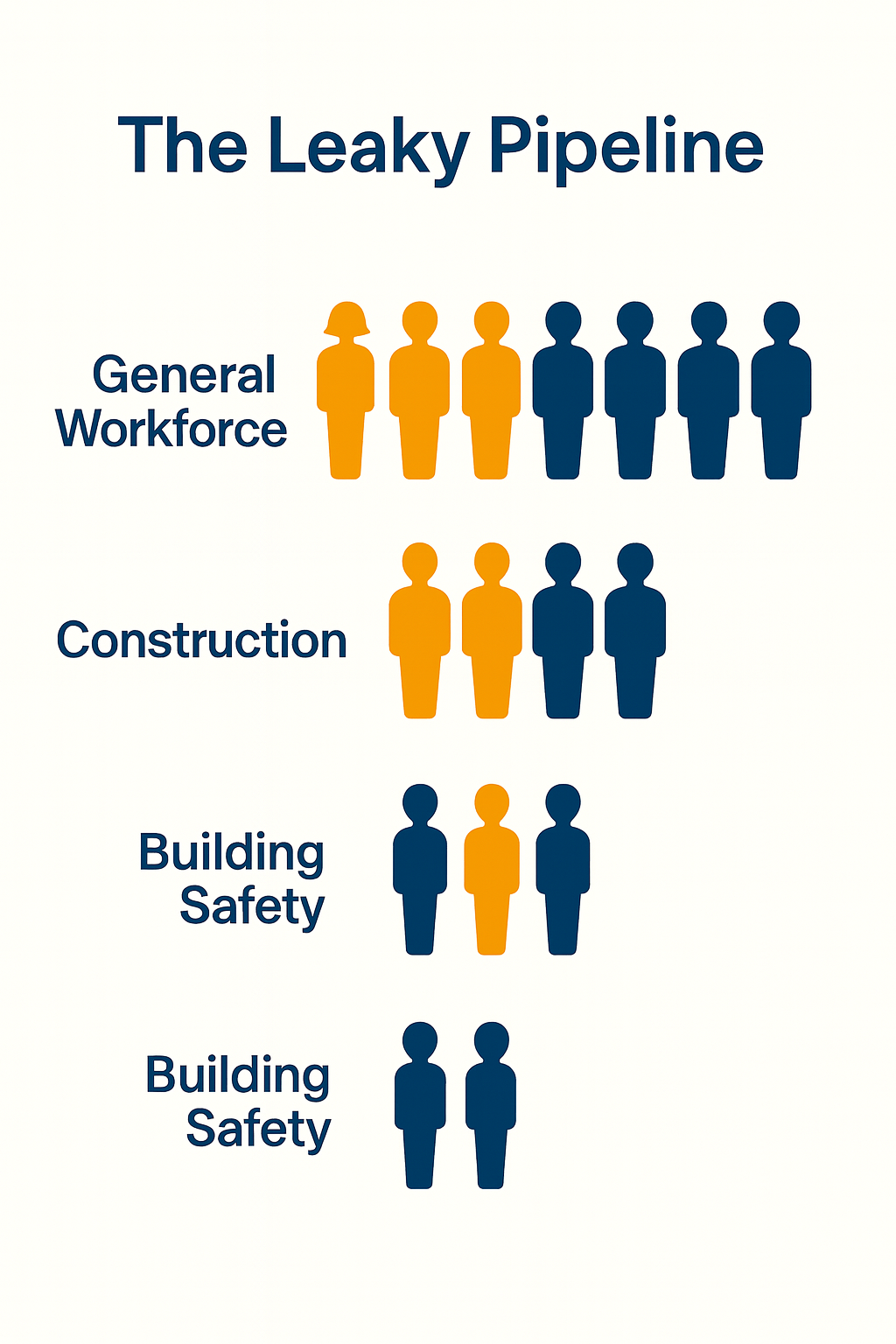
A lack of diversity in the wider safety pipeline hurts hiring. So, this makes the talent pool too small.
Here is where we stand:
- Engineering Roles: Women hold few engineering jobs in the UK. This share is low. In fact, it is much lower than their numbers in other jobs. Also, ethnic minority women feel pressure mid career.
- Construction Roles: UK construction still has few women participants. In particular, this is true for site jobs.
- Ethnic Minorities: Research shows minority groups are under represented in construction. In comparison, this is measured against the wider working population.
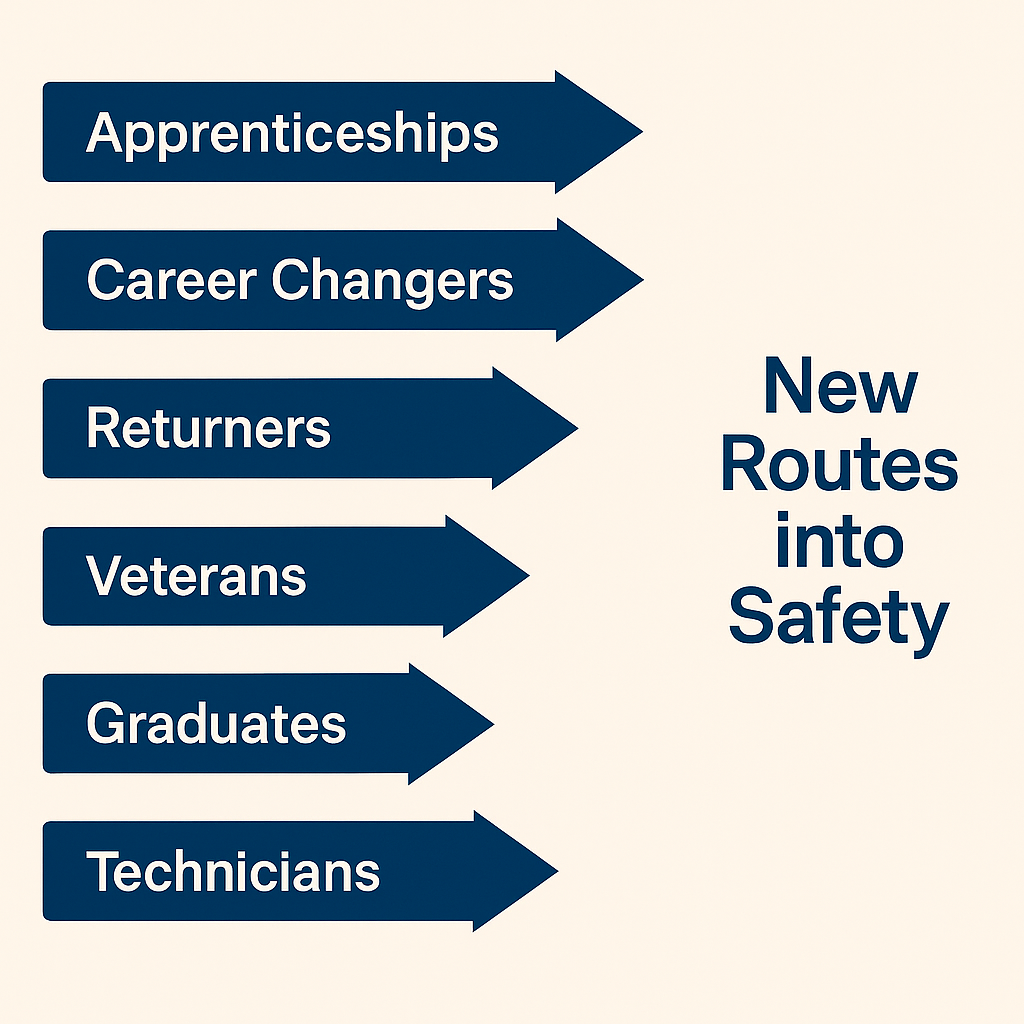
These fields feed into safety jobs. This includes fire engineers and compliance leads. The starting talent pool is narrow. Therefore, safety roles inherit this problem. As a result, employers must act now. They must increase attraction. Also, they must improve assessment and retention. This achieves better Diversity in Building Safety.
Why Diversity in Building Safety Boosts Safety

A diverse team is not just for HR rules. Instead, it actively improves risk management.
How Diversity in Building Safety Leads to Better Decisions
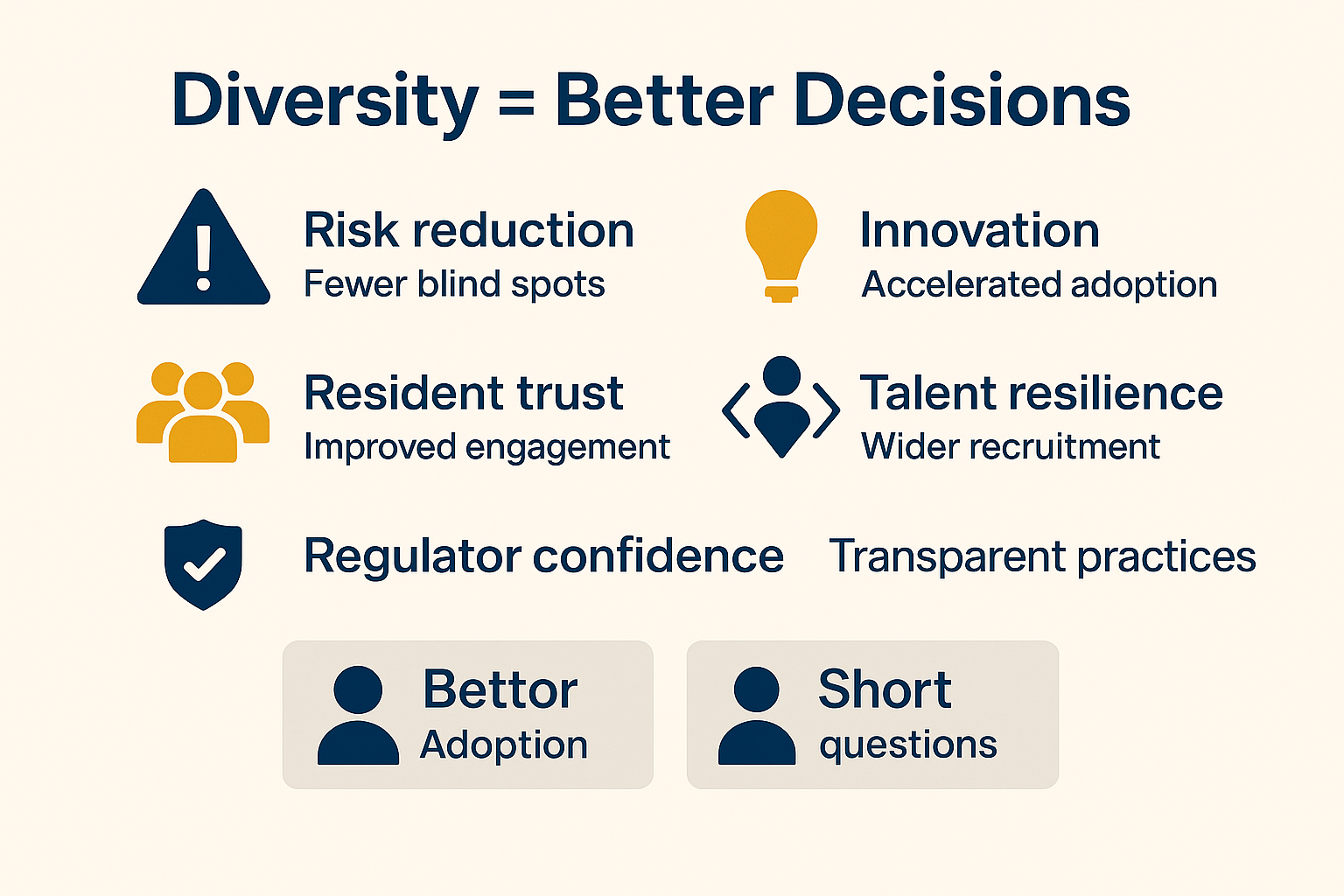
Diverse teams question old ideas. Then, they find unique problems. Crucially, this stops “groupthink.” This challenge is valuable. For example, you need this when checking fire door defects. You need it for evacuation plans. In short, Diversity in Building Safety makes decisions stronger.
Stronger Resident Trust
Residents trust information easily. In fact, they engage better when they see people like them. Diverse teams talk well across cultures. They know all ages and languages. Consequently, this improves trust.
Sharper Innovation with Diversity in Building Safety
Digital safety, sensors, and the Golden Thread need different thinkers. Teams that mix career changers, women returners, and apprentices are better. As a result, they try new tools faster. Innovation is stronger with Diversity in Building Safety.
Talent Resilience
The sector has a skills shortage. However, widening entry routes brings in skilled people. They come from compliance, healthcare, and safety roles. These staff already know about regulated work. Ultimately, this greatly helps your team strength.
Five Barriers Blocking Diversity in Building Safety
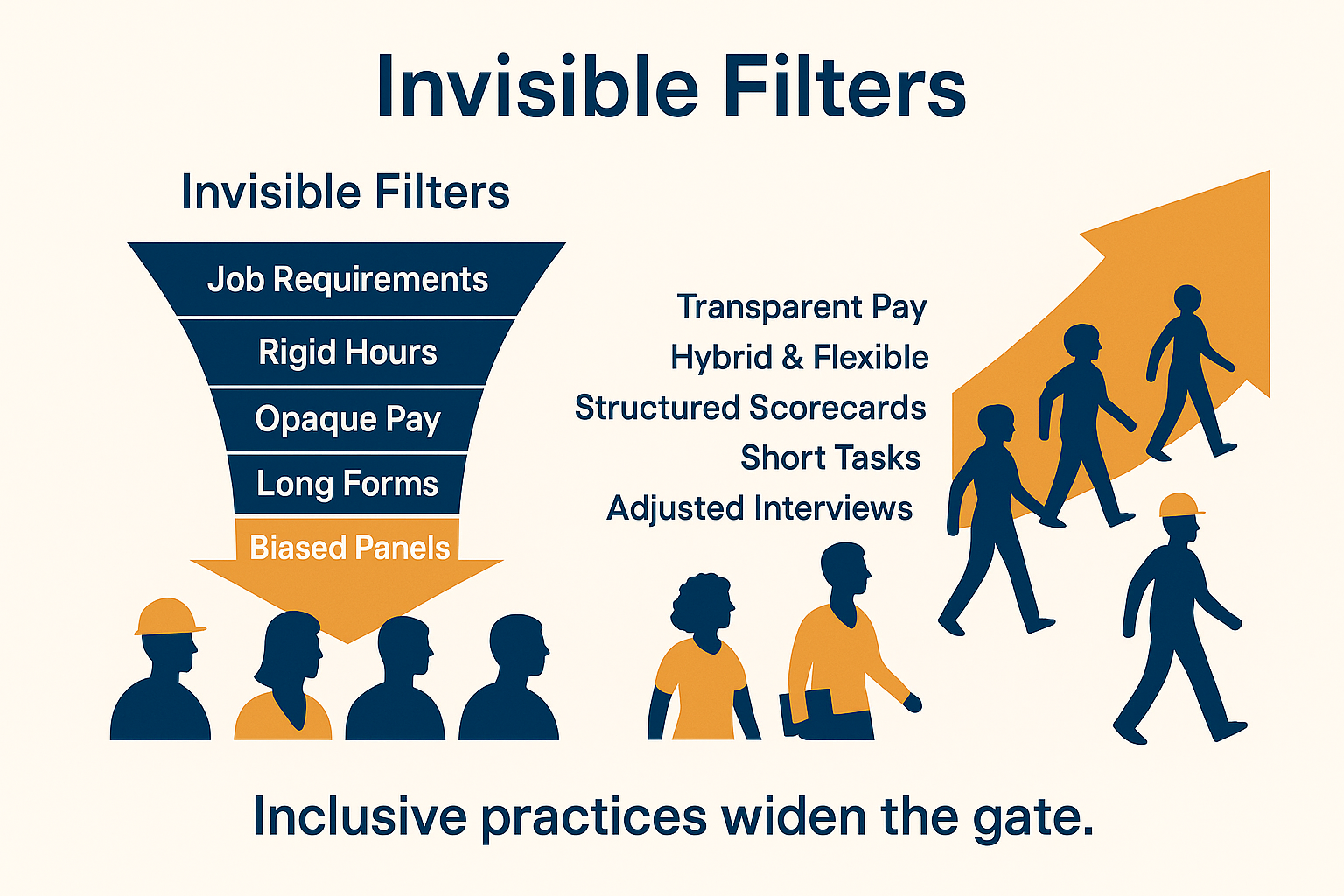
Hidden barriers often filter out talented people. Therefore, you must remove them. This improves Diversity in Building Safety.
- Overloaded Job Adverts: Job adverts often ask for too much. They have long “wish lists.” These lists are needless. So, this discourages capable applicants. They cannot check every box.
- Narrow Experience Rules: Rules like “10 years as a Building Safety Manager” block many skills. Yet, expertise from other fields is easy to transfer.
- Process Frictions: Rigid working times or bad interview schedules create hurdles. For instance, a common example is during school pick up hours.
- Unclear Pay: Pay bands or progression must be clear. Otherwise, women and minority groups are less likely to apply.
- Culture Signals: Websites and pictures may show only one type of person in leadership. Similarly, language in adverts suggests only one “type” fits the role.
Practical Steps to Increase Diversity in Building Safety Hiring
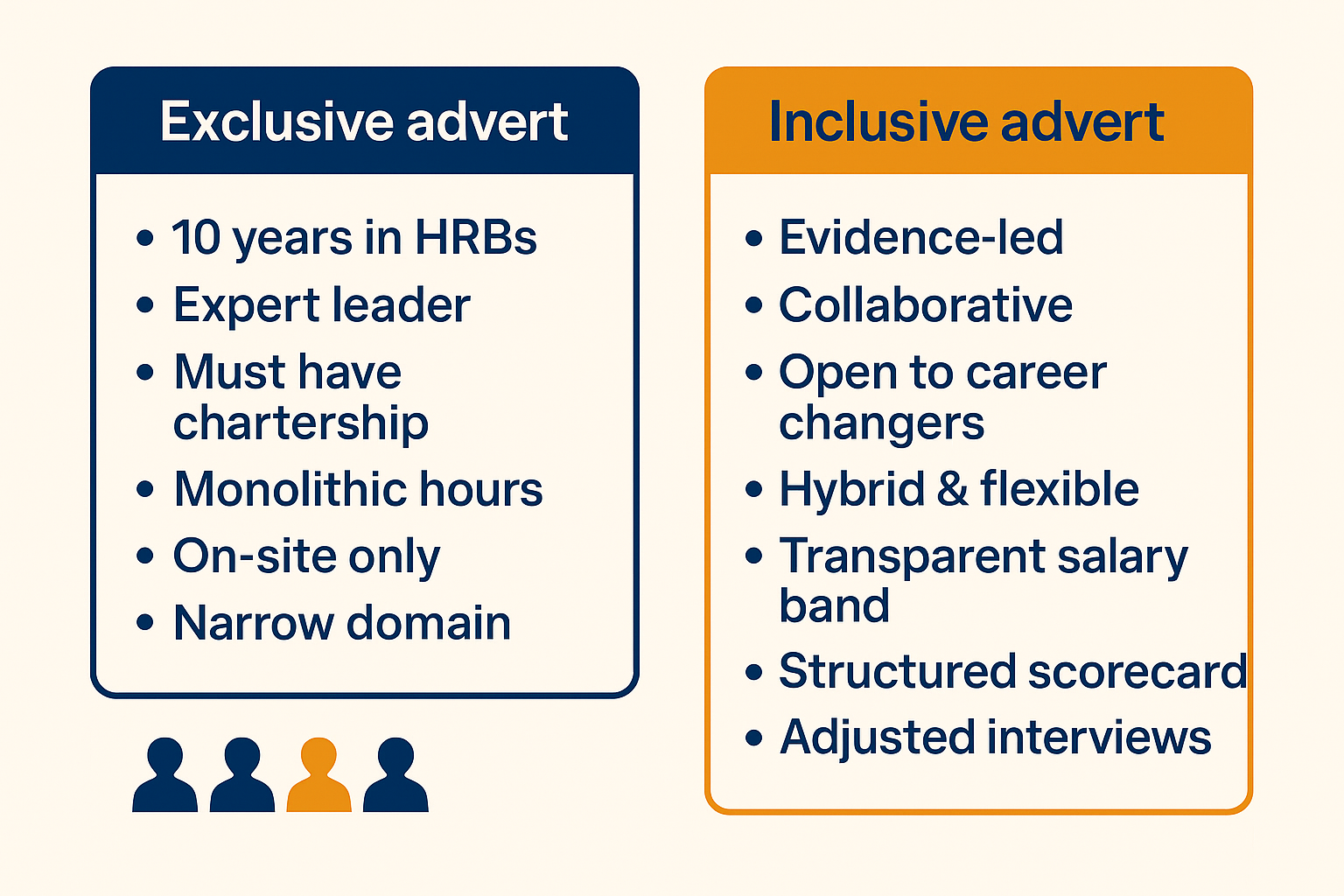
You must actively change your process. Indeed, this is necessary for success.
1) Write Simple, Clear Adverts
Use plain, simple language. Instead, focus on job results. Do not focus just on qualifications.

- Start with the Mission: “Help us make residents safer under the Building Safety Act.” Above all, highlight why the job matters.
- Separate Skills: Keep must have competence short (three to five items). Then, separate these from trainable skills.
- Use Evidence, Not Time: Replace “10+ years in HRBs” with: “Experience building regulator ready evidence trails.”
- Signal Flexibility: Add job share and hybrid working details up front. This is vital.
- State Pay: Publish the salary band. Show how the pay can grow. Likewise, trust is built.
- Invite Adjacent Backgrounds: Explicitly welcome career changers. For example, name backgrounds like healthcare, defence, and compliance.
2) Rethink Essential Criteria
Do not use long lists. Instead, use four key competence areas. Then, ask for evidence in these areas:
- Law and Guidance: Can explain how the Safety Case, Fire Safety Order, and Golden Thread fit together.
- Technical Systems: Can plan a safety check cycle for smoke control. Also, include related systems like fire doors.
- Data and Documentation: Produces evidence with accurate data tags. They must use version control.
- People and Leadership: Engages residents. Manages contractors well. Records all decisions.
Allow Equivalence: Accept qualifications “or skills you can clearly show.” Plus, recognise certificates in related fields (CABE, IFE, IOSH). Pay for bridging courses when needed. In summary, focus on proven skill.
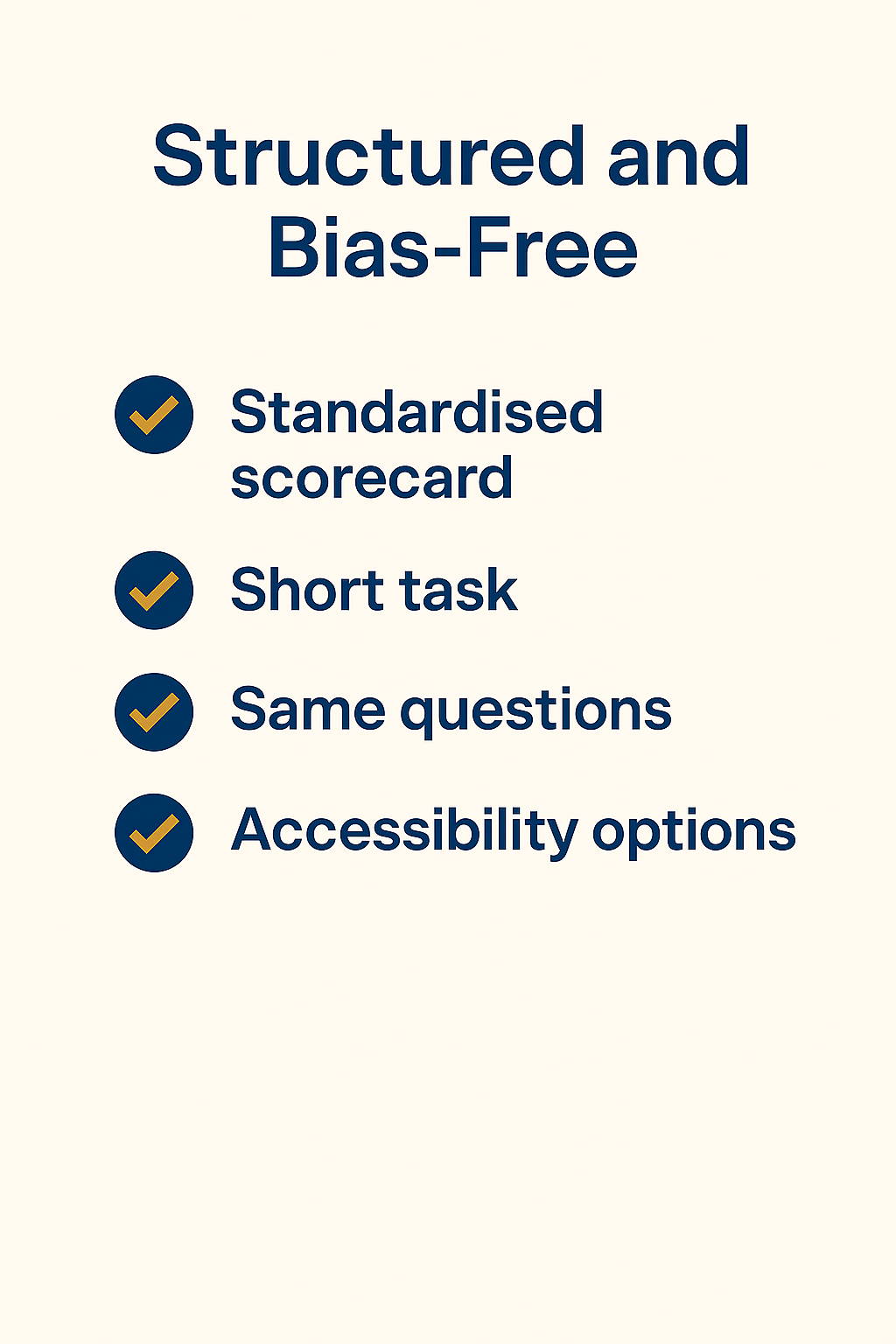
3) Use a Fair Interview Question Bank
A fair process supports Diversity in Building Safety. Therefore, follow these rules.
- Core Principle: Use the same questions for every candidate. In general, score against evidence. Score against clarity and proportionality. Ask for STAR answers (Situation, Task, Action, Result).
- Scheduling: Offer video or in person options. Similarly, send questions or themes in advance. Crucially, avoid interview times that conflict with school pick up or drop off.
Example Questions
| Category | Questions to Ask |
|---|---|
| Technical & Compliance | Walk us through your design for a quarterly assurance cycle for a High Risk Building. Also, what does “good” look like for a Golden Thread repository? |
| Scenario Based | The regulator requests evidence within ten days. Your supplier is late. Residents are anxious. What do you do first, and why? Next, a fire door programme hits a supply shortage. How do you manage risk? |
| Behavioural & Leadership | Tell us about a time you turned a failing audit into a positive outcome. What changed because of your actions? Also, describe how you handled two experts giving conflicting advice. |

Scoring and Feedback
- What Great Answers Sound Like:
- Use plain language. That means non specialists would understand.
- Show clear risk triage. They show proportional actions.
- Show resident empathy. How were people informed and supported?
- Describe a fix that sticks. Specifically, this means process changes or supplier controls.
- Red Flags to Watch For:
- Jargon with no substance. Blaming others. Vague “we did…” with no personal role.
- Dismissive tone about resident concerns.
- Over reliance on memory instead of records.
4) Broaden Sourcing
Find talent where you haven’t looked before. In short, widen your net.
- Partnerships: Work with programmes for returners. Work with Armed Forces leavers. Use STEM re-entry schemes. Plus, use community groups.
- Junior Pipelines: Engage colleges. Engage apprenticeship providers for younger talent. Also, this builds a future bench.
- Targeted Referrals: Track staff referrals. However, ensure they do not narrow the pool of candidates.
Retention Strategies for Diversity in Building Safety Success
Hiring a diverse team is step one. Keeping them is the goal. However, more women and minority staff leave mid career. Flexible work, clear support, and career steps slow this down.
Do the Basics Brilliantly
- Clear Mandate: Give new hires a clear job description. Give them decision making power. To begin with, this reduces friction.
- Manage Workload: Ensure the job is about managing risk. It is not just chasing paperwork. Use sensible portfolio sizing. Provide administrative support. Consequently, this prevents burnout.
- Flexibility: Use hybrid patterns with predictability. In addition, ensure proper site time.
- CPD and Training: Fund training. Fund conference trips. Fund certification (chartership). Thus, you invest in their future.
Career Paths that Make Sense
- Dual Tracks: Create paths for technical experts (Principal Safety Specialist). Therefore, also create paths for leaders (Head of Building Safety). This provides choice.
- Transparency: Show clear rules. Show examples of what “ready” looks like for the next step. Moreover, staff can plan their careers.
- Coaching: Give stretch assignments with full coaching. Avoid “sink or swim” scenarios. Ultimately, this lowers risk.
Support that Matters
- Networking: In fact, set up mentors. Set up peer groups for women and minority colleagues.
- Returner Programmes: Use ramp up plans. Use buddy systems for people returning from a career break. Consequently, this provides a soft landing.
- Inclusive Training: Train managers on giving fair feedback. In addition, train them on managing micro aggressions. Finally, this creates a better culture.

The Business Case for Diversity in Building Safety
Broadening your talent pool is essential for risk. Furthermore, it is essential for team strength. Indeed, the evidence is overwhelming.
- Pipeline Reality: Women remain a minority in engineering and construction. Therefore, this limits the flow of talent into safety roles.
- Sector Gap: Construction still shows an ethnicity gap. In turn, this highlights a key area for growth.
- Risk and Trust: Diverse teams reduce blind spots. Thus, they improve resident trust. Moreover, they speed up the use of digital tools.
- Cost Efficiency: Inclusive hiring shortens the time it takes to fill roles. Plus, it improves staff retention. Therefore, this saves money.
- Reputation: Being open about pay and flexibility increases regulator confidence. Also, it improves resident assurance.
Conclusion
Broadening the Diversity in Building Safety talent pool is not just public relations. Instead, it is smart risk management.
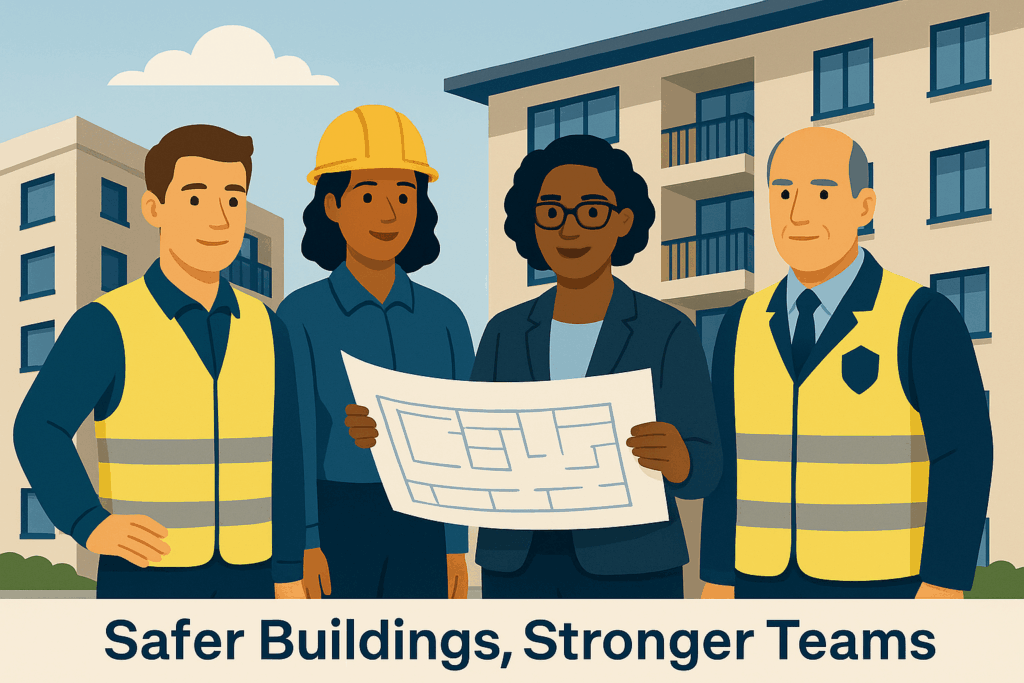
When you remove needless barriers, you attract skilled people. This includes women, career changers, and under-represented professionals. In this way, these new hires raise the quality of your decision making. Pair that with clear goals. Add funded training. As a result, you keep them.
The result is a stronger assurance cycle. It brings better evidence. It creates more positive resident talks. In short, this leads to safer buildings for everyone.