
For building owners and managers, the legal landscape is about to change. Starting 6 April 2026, the UK government will introduce new fire safety rules. These laws focus specifically on Residential PEEPs (Personal Emergency Evacuation Plans). For those working in building safety jobs, these changes mean new duties and higher standards. This guide explains the upcoming rules, who they affect, and how to prepare.
What are Residential PEEPs and Why Do They Matter?
The new legislation aims to protect vulnerable residents during a fire. Specifically, it targets people who cannot evacuate a building without help. If you hold one of many building safety roles, you must understand the requirements. A plan is a tailored document for one person. It ensures that a resident with mobility or sensory issues can reach safety. Because the law changes soon, you should audit your fire strategies now. Using Residential PEEPs correctly will save lives and keep your building compliant.
Which Buildings Must Use Residential PEEPs?
Not every property needs to follow these 2026 rules. Instead, the government set clear limits based on height. First, the rules apply to buildings with at least two homes that are over 18 metres tall. Similarly, any building with seven or more storeys must comply. Furthermore, the rules cover buildings over 11 metres if they use a “simultaneous evacuation” policy. This means everyone leaves at once when the alarm sounds. Consequently, managing Residential PEEPs will become a top task for those in building safety jobs.
The Vital Role of the Responsible Person
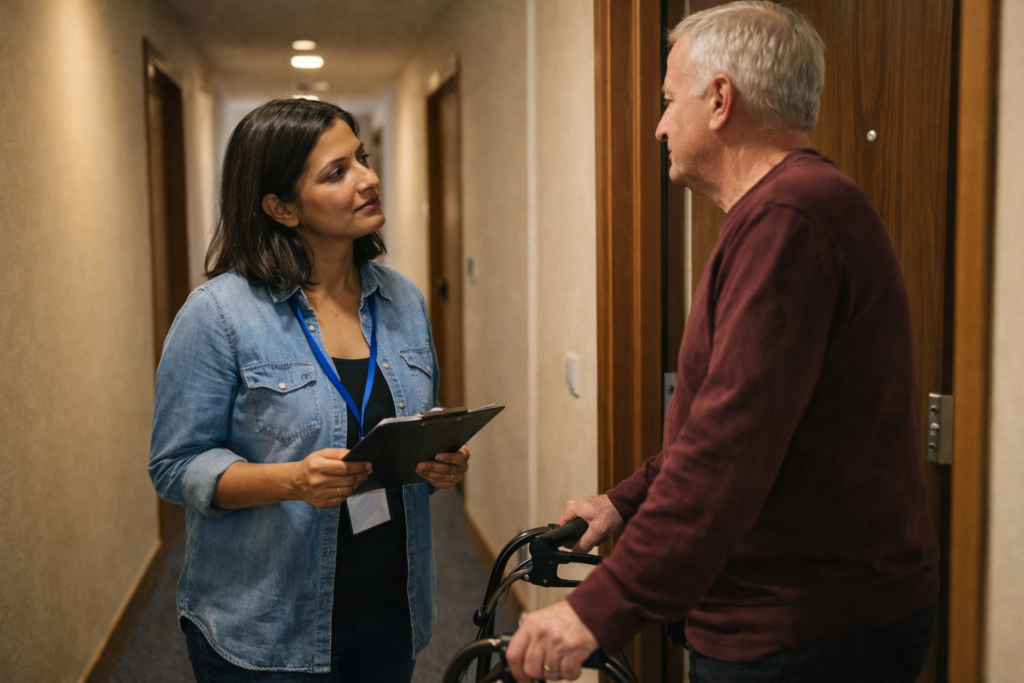
Under the new law, the “Responsible Person” has a major job. This title usually refers to the landlord or the building owner. If you work in a building safety role, you might manage these duties. Your main task is to find residents who cannot leave on their own. You must talk to your tenants rather than waiting for them to call you. Creating Residential PEEPs starts with good communication.
Steps to Create Effective Residential PEEPs
Initially, you should ask all residents about their evacuation needs. However, you must handle this health data with care. Once a resident asks for help, the Responsible Person must act. To create valid Residential PEEPs, you should:
- Talk to Residents: Discuss their specific needs in person.
- Conduct Assessments: Perform a person-centred Fire Risk Assessment.
- Draft the Plan: Write down the clear escape route.
- Share Information: Give the Residential PEEPs to the local fire service.
How Person-Centred Assessments Change Building Safety Careers
A standard fire check looks at the building’s walls and alarms. In contrast, a “person-centred” check looks at the human. This shift is a huge part of modern building safety roles. It proves that a fire door only works if a person can open it. Therefore, you must look at physical health and sensory needs. Proper Residential PEEPs account for these unique factors.
Key Factors in a Personal Assessment
When you create Residential PEEPs, you must check every detail. For example, can the resident hear the alarm at night? Can they walk down the stairs without a lift? If they cannot, your Residential PEEPs must provide a new solution. This might include visual alarms or vibrating pads. In the world of building safety jobs, being thorough now prevents tragedy later.
New Duties: Simultaneous Evacuation Challenges
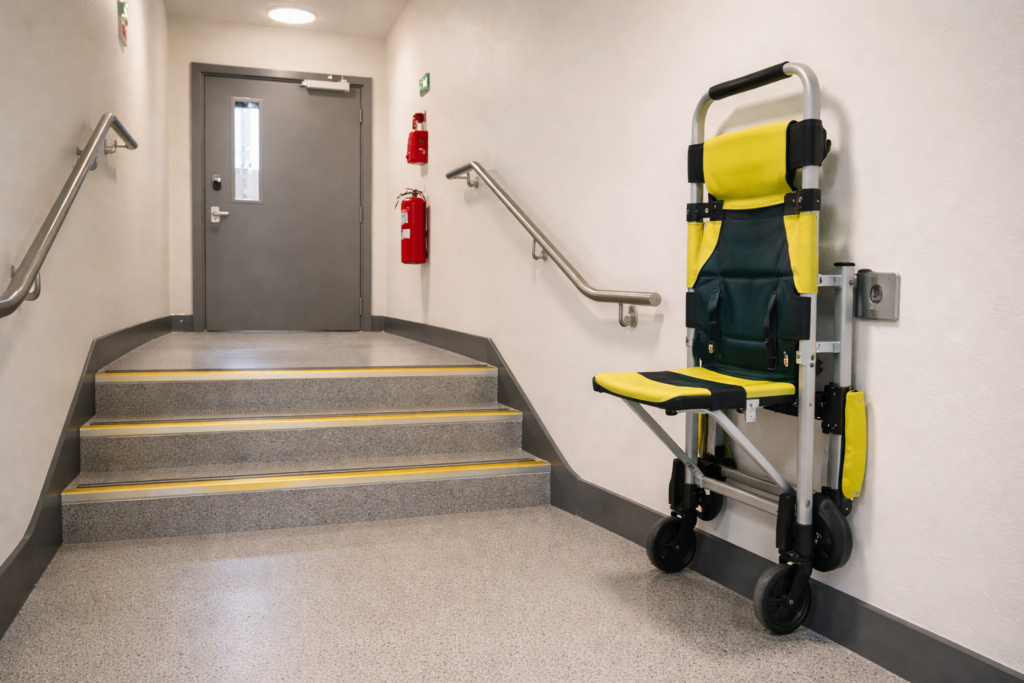
The rule for buildings over 11 metres is very important. Many older sites now use “simultaneous evacuation.” If your building requires everyone to leave at once, halls can get crowded. Thus, those in building safety jobs must ensure that Residential PEEPs work in busy areas. You cannot assume a vulnerable person will find their way through a crowd. Instead, Residential PEEPs must plan for clear paths and safe refuge zones.
Managing the Strategy for Residential PEEPs
When a building changes its exit policy, the fire risk goes up. Consequently, the need for Residential PEEPs becomes more urgent. To manage this, safety officers should:
- Check Stairwells: Ensure there is space for evacuation chairs.
- Review Signs: Use clear signs for people with low vision.
- Test Systems: Make sure alarms are loud enough for everyone.
The Impact on Building Safety Roles and Training
These new rules will increase the demand for experts. Companies will soon need more people for building safety jobs who understand Residential PEEPs. Moreover, staff will need new training to talk to residents about their health. It is no longer enough to just check a fire extinguisher. Now, you must build a safety plan around a person’s life.
The Need for New Skills in Building Safety
As laws change, your skills must grow too. If you want building safety jobs, focus on learning about Residential PEEPs. This will make you very valuable to landlords before the 2026 deadline. Furthermore, learning to use digital tools to store Residential PEEPs will be a key skill for the future.
Preparing Your Property for the April 2026 Deadline

April 2026 may seem far away, but the work is hard. First, you must find every resident who needs help. Next, you have to write the actual Residential PEEPs. Finally, you must share these with the fire crews. Because this takes time, professionals in building safety jobs should start now.
A Simple Transition Plan
- Audit Buildings: See which sites meet the height rules.
- Survey Tenants: Send out health surveys to everyone now.
- Plan Budgets: Set aside money for visual alarms and chairs.
- Update Software: Ensure you can store Residential PEEPs safely.
Conclusion: A New Era for Safety Professionals
The arrival of Residential PEEPs is a big change for fire safety. By focusing on the person, the law ensures no one is left behind. For those in building safety jobs, this is a chance to lead with skill. While the new rules are tough, they make buildings much safer. Stay updated with GOV.UK and start your Residential PEEPs today.
Featured Opportunity: Building Safety Officer (Wandsworth)
Are you ready to lead the way in residential safety? We are looking for a Building Safety Officer to join the team in Wandsworth. This is a high-impact role with a salary of £52,000 per year. You will focus on high-rise safety and hazard checks.
As the 2026 rules for Residential PEEPs approach, your skills will be vital. If you have experience in housing or safety, we want to hear from you. Help us manage Residential PEEPs and protect our community.
Apply Now for the Building Safety Officer Role in Wandsworth
Would you like me to draft a resident communication letter to help you start identifying who needs a PEEP?