A fire in Hong Kong was heartbreaking. Many people died or are missing. This fire should never have grown so large. Therefore, this disaster demands a hard look at Global Construction Safety Standards.
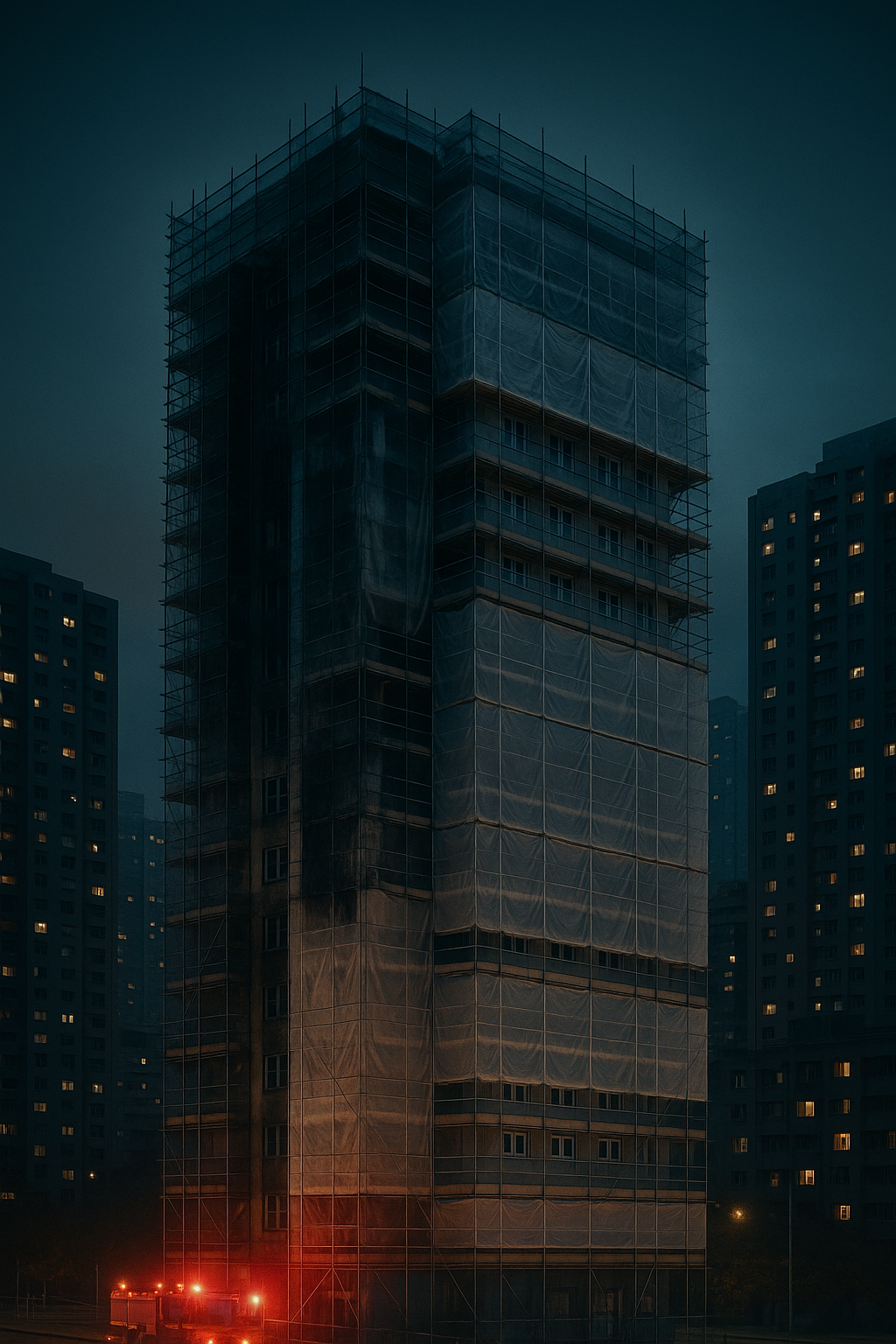
Workers used very flammable materials during the building’s repair. These materials included covers that did not meet rules. Also, they used unsafe scaffolding and foam boards. These items catch fire quickly. They drip fire. They create toxic smoke. In fact, this combination becomes catastrophic in a tall building.
This tragedy reminds us of what our industry knows. First, you must not cut safety corners. Second, you must not use cheaper fire-rated materials. Crucially, you always build as if people’s lives depend on it. Also, people’s lives do depend on it.
Certain rules must be followed for all projects. This includes tall buildings and large city projects:
- Fire-rated insulation and cladding is required.
- Non-combustible outer materials are required.
- Certified wraps during repair are required.
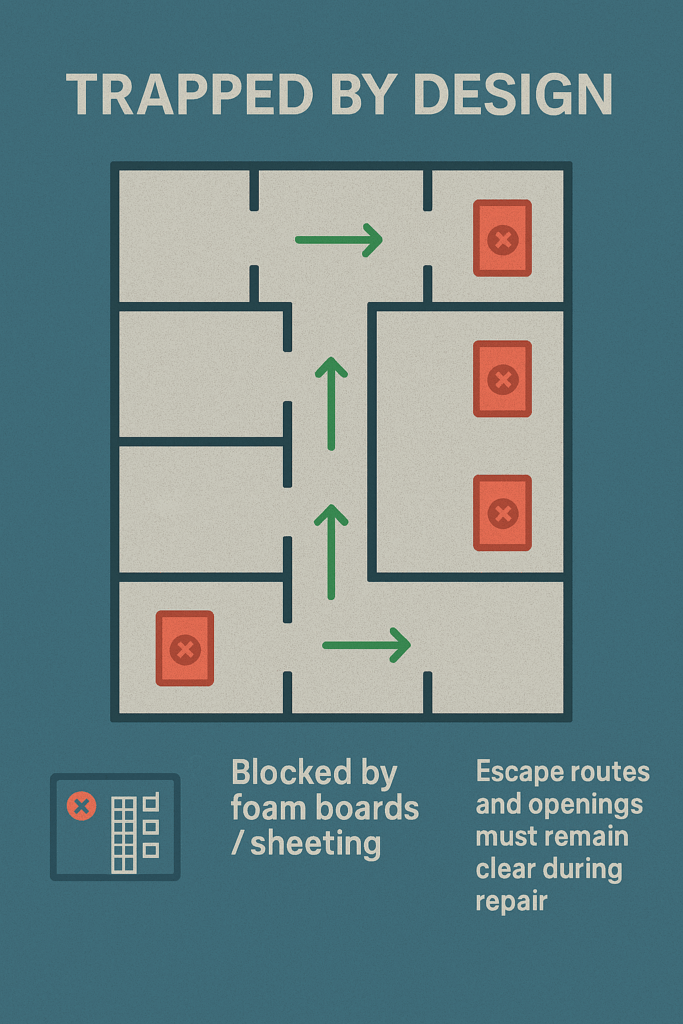
- Clear escape routes must be available.
- Workers must not block any windows or openings.
- Good supervision of all workers is needed.
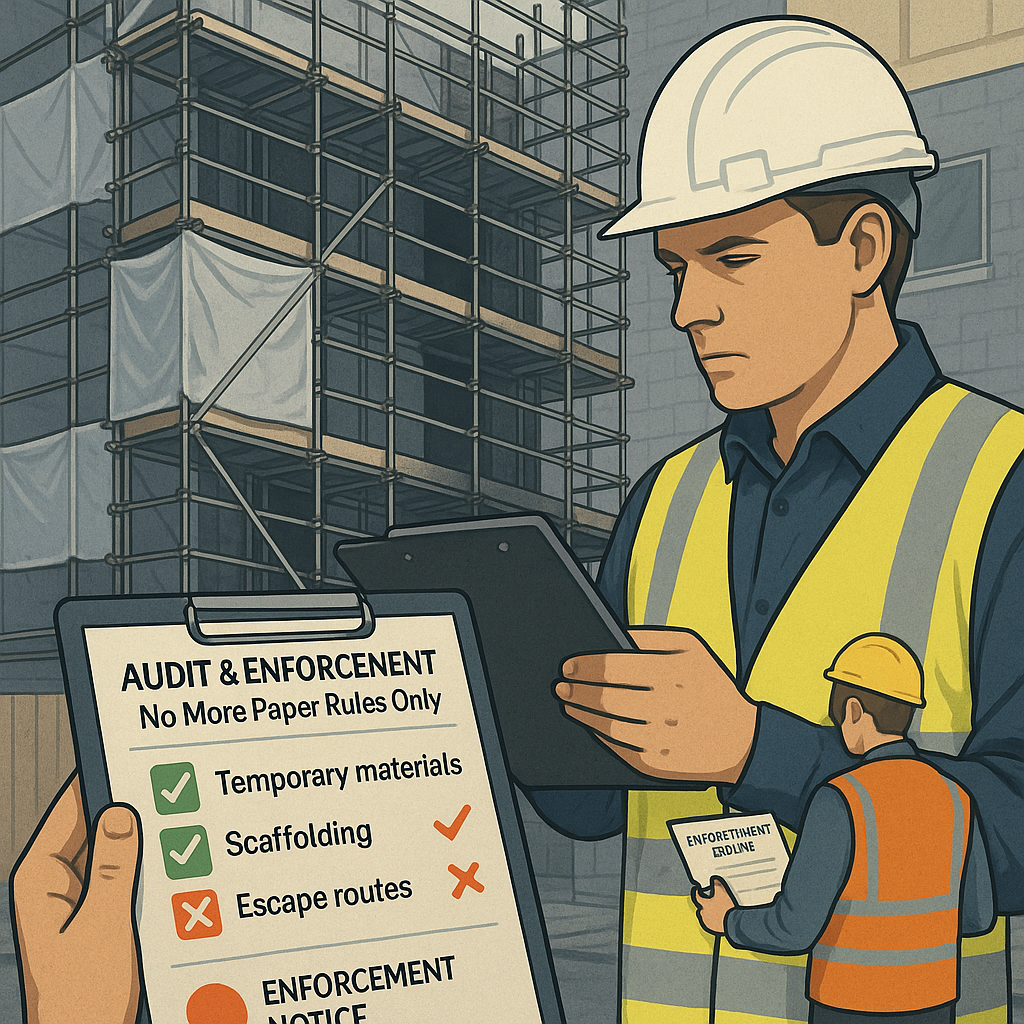
- Clear safety audits are needed.
Someone took shortcuts, and lives were lost. Therefore, this tragedy must be a turning point. Regulators, contractors, and developers must improve safety rules worldwide. They must enforce stricter checks. Moreover, they must ensure people are responsible at every stage. Thus, the industry must improve Global Construction Safety Standards. My thoughts are with everyone hurt in Hong Kong. May this tragedy start the reforms needed to ensure it never happens again.
Repair Risks Challenge Global Construction Safety Standards
The Hong Kong fire happened during a big renovation. Repair projects often bring unique fire risks. Indeed, these risks are sometimes worse than new construction. Therefore, our Global Construction Safety Standards must fix this gap.
The Danger of Temporary Materials and Fire Safety
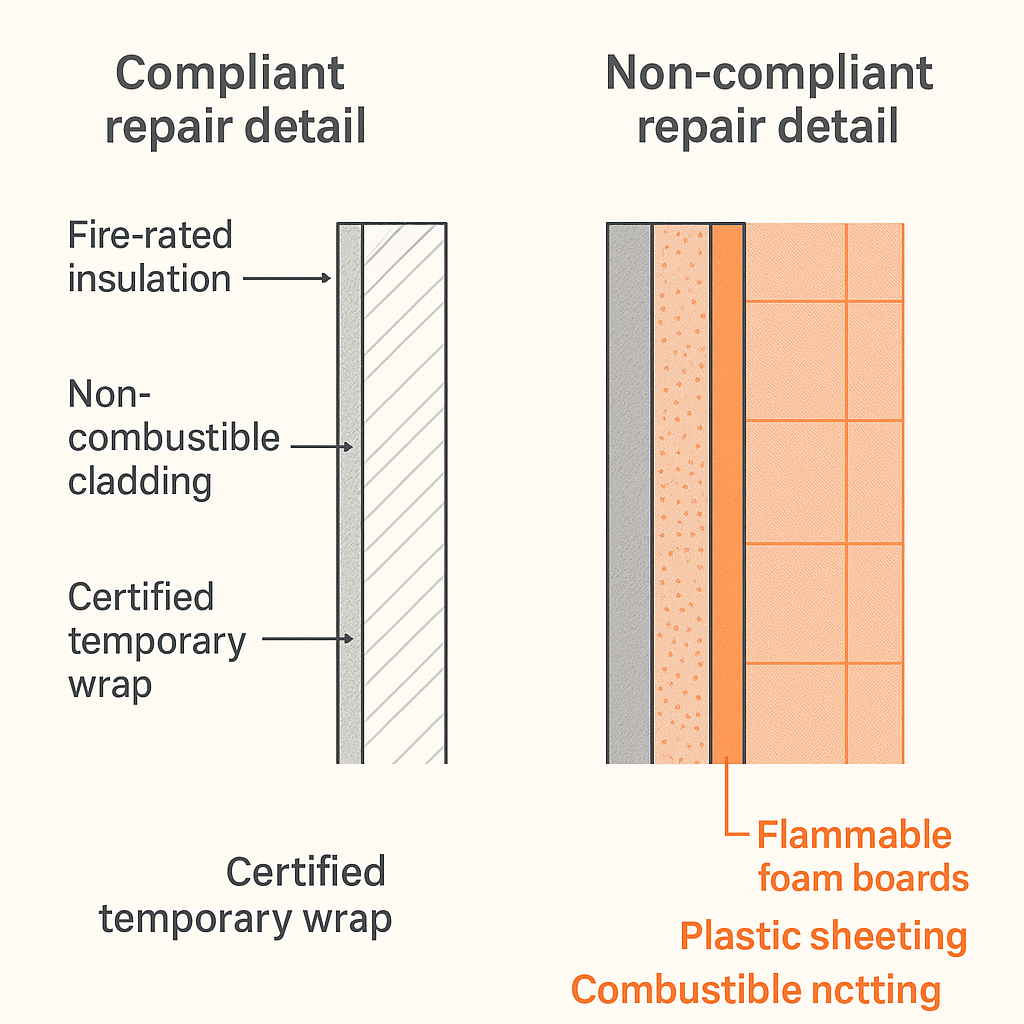
Temporary materials caused the fire to spread fast. For example, early reports flag the use of flammable foam boards. Nets and plastic sheets outside did not follow rules.
Experts stress that repair materials must slow fire. The materials must stop burning if they catch fire. However, cheap materials often lack this treatment. So, they turn a small fire into a deadly inferno. Thus, following rules for temporary material is a weak spot in many current Global Construction Safety Standards.
The Flammable Scaffolding Debate and Global Construction Safety Standards
Hong Kong has used bamboo scaffolding for years. This material is cheap and flexible. However, it catches fire easily. Reports confirm the bamboo scaffolding caught fire. Then, the blaze spread quickly across the building’s exterior.
Using metal scaffolding offers much greater safety. Nonetheless, many private projects avoid this change. They cite high startup costs. They also cite difficult setup. This shows that saving money often wins over clear safety benefits. Therefore, regulatory bodies worldwide must push harder for temporary works that cannot burn.
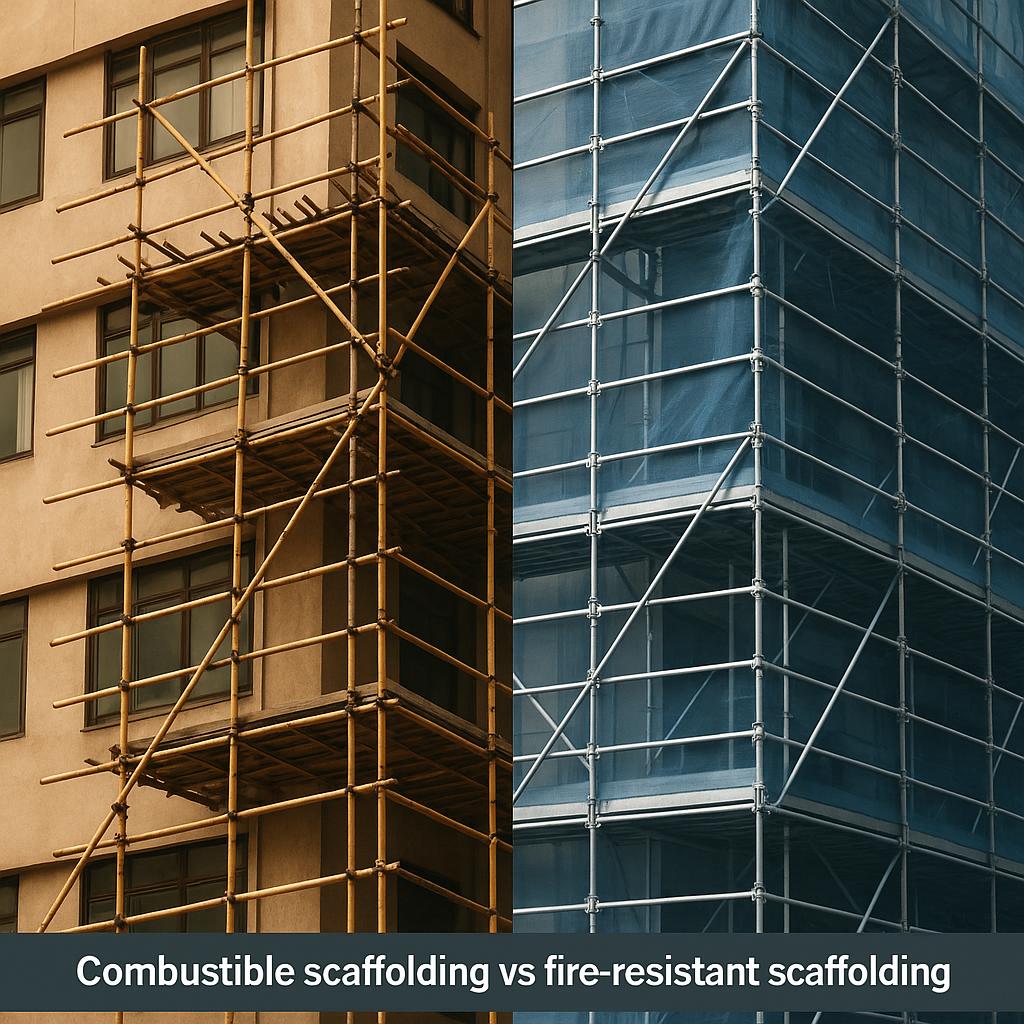
The Fatal Flaw: Material Substitution and Weak Global Construction Safety Standards
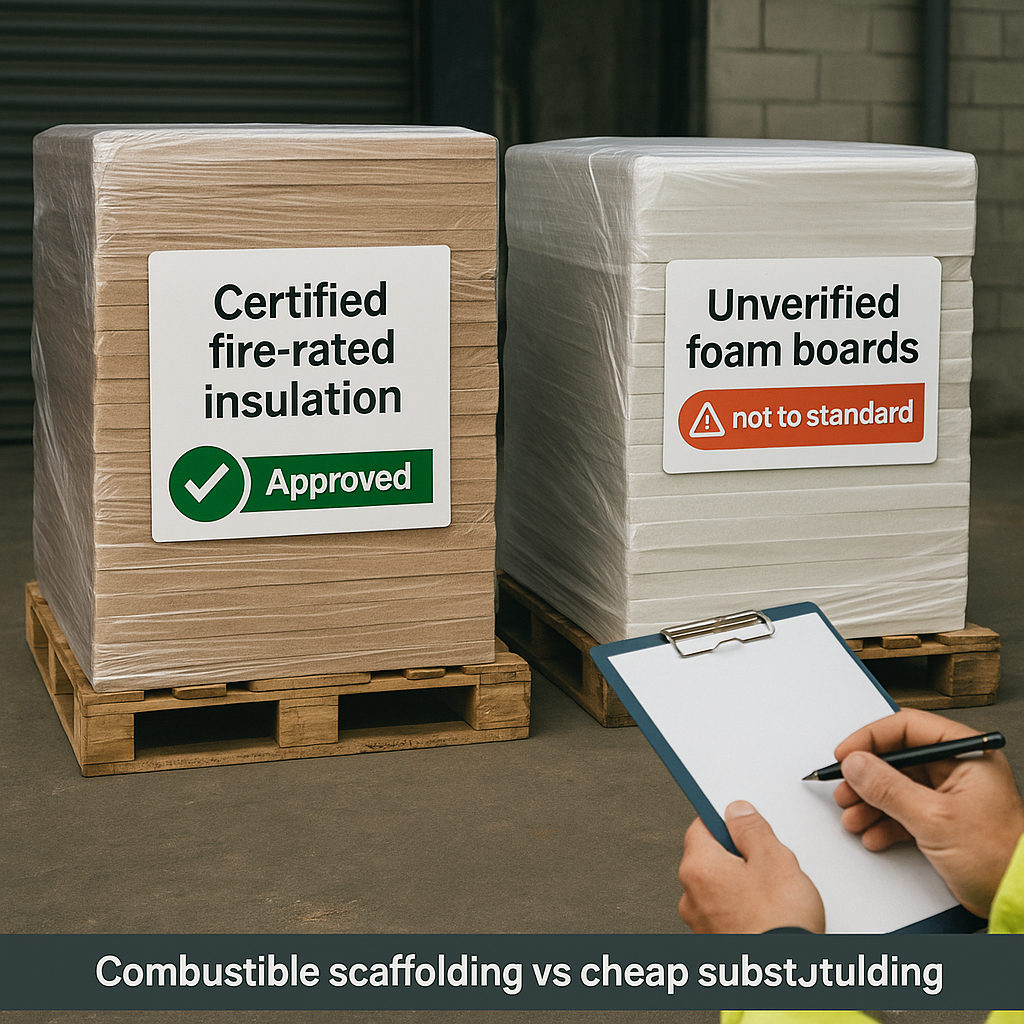
The main problem in Hong Kong was using flammable materials that did not meet rules. This clearly highlights a universal problem: material substitution.
The Problem with Materials That Do Not Meet Rules
The investigation flagged foam boards used to seal windows. This foam burns easily. It melts. It ignites. Also, it releases poisonous gas. This chemical danger makes escape much harder. In short, its use in repair directly caused the fire to spread fast inside.
Furthermore, protective nets and films outside must resist fire. If these materials lack fire resistant substances, they become fuel. This fuel feeds the fire violently. The regulatory gap is simple: there is often no strong review. Therefore,this lack of review lets materials on site bypass safety rules.
The True Cost of Cutting Corners
The choice to use cheaper materials is purely about money. Project managers cut corners to save money. However, this saves money at the cost of human lives. This practice puts every person in the building at risk. Therefore, the industry must face the true cost of these shortcuts. The costs include potential jail time, huge fines, and devastating loss of life. Clearly, no saving is worth that risk.
The Global Call to Action: Strengthening Global Construction Safety Standards
Major high-rise fires like Grenfell in 2017 and the current tragedy force the world to check building rules. As a result, the industry must adopt strong, universal principles for fire safety.
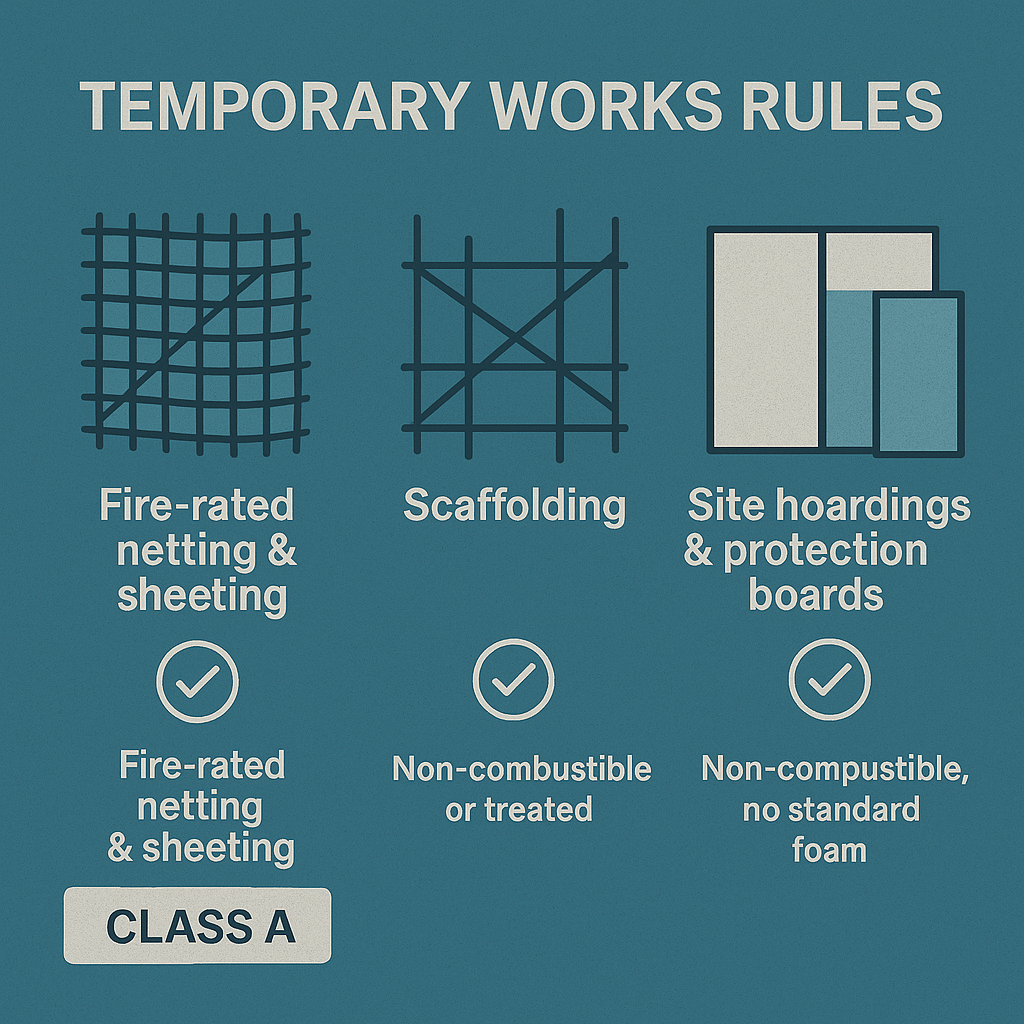
1. Required Fire-Resistant Temporary Works
Temporary materials are often overlooked. However, they must follow the same strict safety rules as permanent parts.
- Netting and Sheeting: Require Class A netting that slows fire. Plus, this netting must be treated to ensure it stops burning by itself.
- Scaffolding: Governments must help private builders adopt metal scaffolding. Where bamboo is used, require fire-retardant treatment.
- Hoardings and Protection: Ban highly flammable materials, like standard foam, near high-risk areas. Instead, use materials that do not burn.
2. Strengthened Change Control for Fire Safety
Repairs often involve many material changes. For this reason, any change to a fire rated material in tall buildings must be treated as a major change.
- Pre-Approval: Require approval from a government group before any big material swap.
- Documentation: Keep a full, digital record of all materials used. This record must include safety certificates and install logs. Overall, this is key to strong Global Construction Safety Standards.
3. Clear Escape Routes and Safety Case Requirements
The sealed windows in Hong Kong trapped residents who died. Therefore, safety checks must ensure fire exits are never blocked during construction.
The Safety Case Report now used in places like the UK is essential. In short, this report forces building owners to prove they manage every fire risk. This is vital during construction or repair. Hence, this proactive approach is essential for preventing future tragedies.
Accountability and the Role of Duty Holders in Global Construction Safety Standards
The contractor and consultant arrests in Hong Kong send a clear message. Negligence leading to rapid fire spread is a crime. Consequently, people must be held responsible.
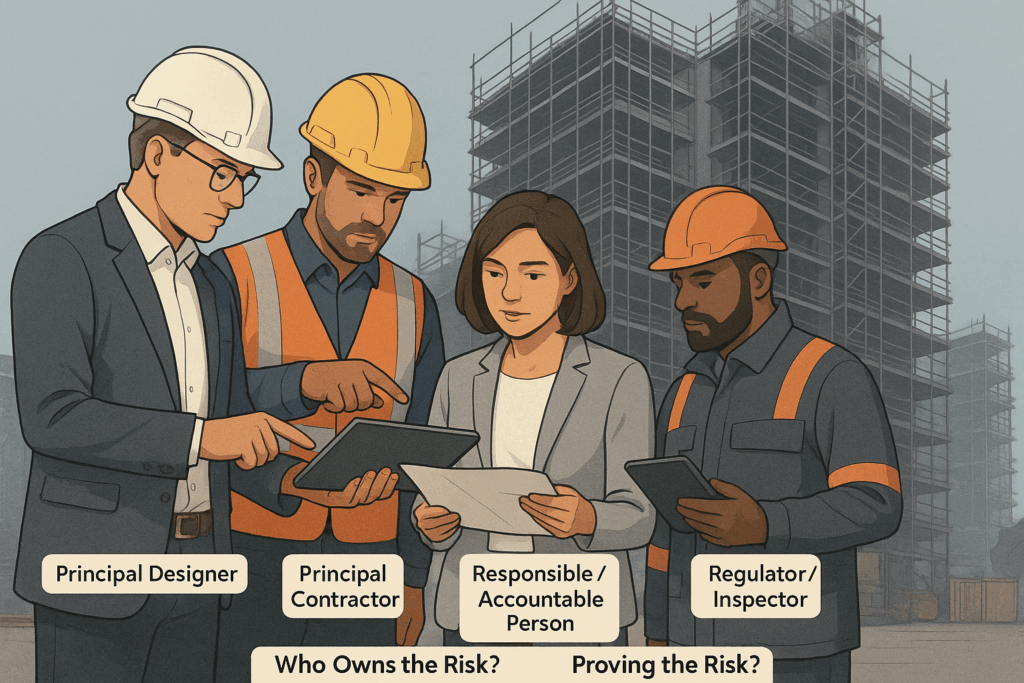
Defining Key Roles for Site Safety
- Principal Designer: This person must remove fire risks early. They must choose materials that meet rules and do not burn.
- Principal Contractor: This person must ensure site materials match the design. Also, they oversee site work. This includes proper storage and removal of debris that can burn.
- Responsible/Accountable Person: This person manages the building. Crucially, they must ensure safety is kept up during any repair work. They must maintain the fire safety measures.
The Need for Audits and Enforcement
A lack of regular safety reviews allows bad materials to slip through. Therefore, the industry needs:
- Required Site Inspections: Regulators must perform surprise inspections. Specifically, these inspections must check the fire rating of temporary materials.
- Stiffer Penalties: Penalties for using materials that do not meet rules must be strong. They must cost more than the money saved by using cheaper substitutes. This economic pressure will enforce better behaviour.
Conclusion: Driving Global Construction Safety Standards Forward
The Hong Kong fire is a horrific result of basic safety failures. It shows the devastating result of carelessness in high-rise repair. Clearly, the use of flammable materials like foam, non-compliant netting, and bamboo scaffolding created a firestorm.
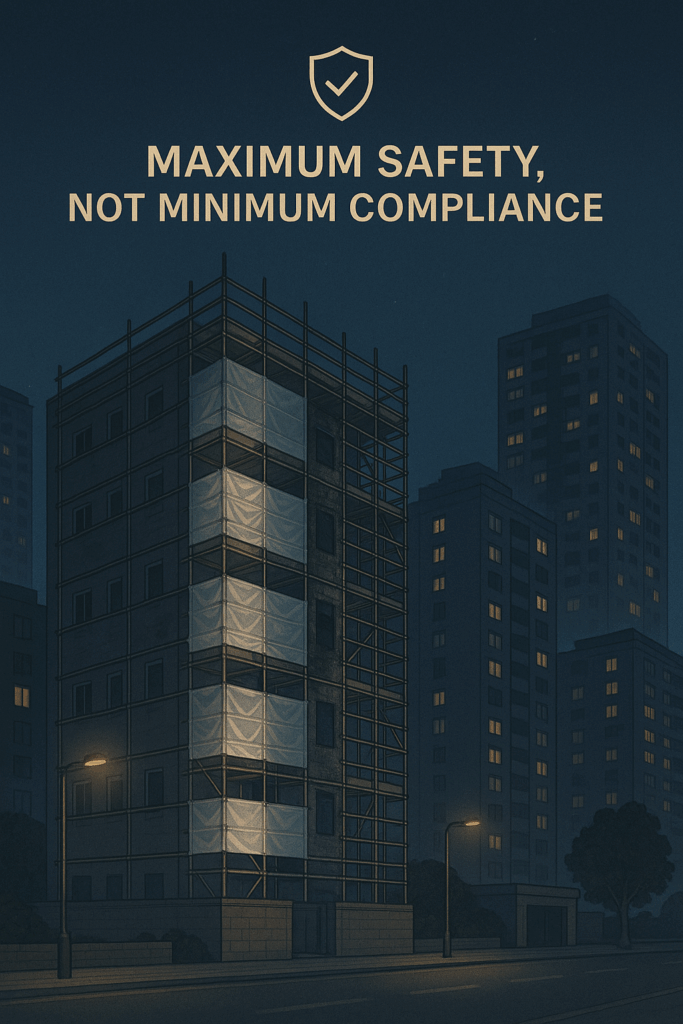
The world’s high-rise construction and repair industries must learn from this tragedy. We need a big change in mindset. Instead of minimal compliance, we must move to a culture of maximum safety. Furthermore, this requires new, stronger Global Construction Safety Standards that we enforce without fail.
Every professional holds responsibility for life safety. This includes the architect and the contractor. We owe it to the victims in Hong Kong to ensure their loss sparks real, lasting reform. Therefore, we must adopt universal standards. Also, these standards must make fire safety a must-do item. This must be true not just on paper, but on every single construction site.
We have the knowledge and the technology to prevent these disasters. Now, we must find the will to apply them everywhere.