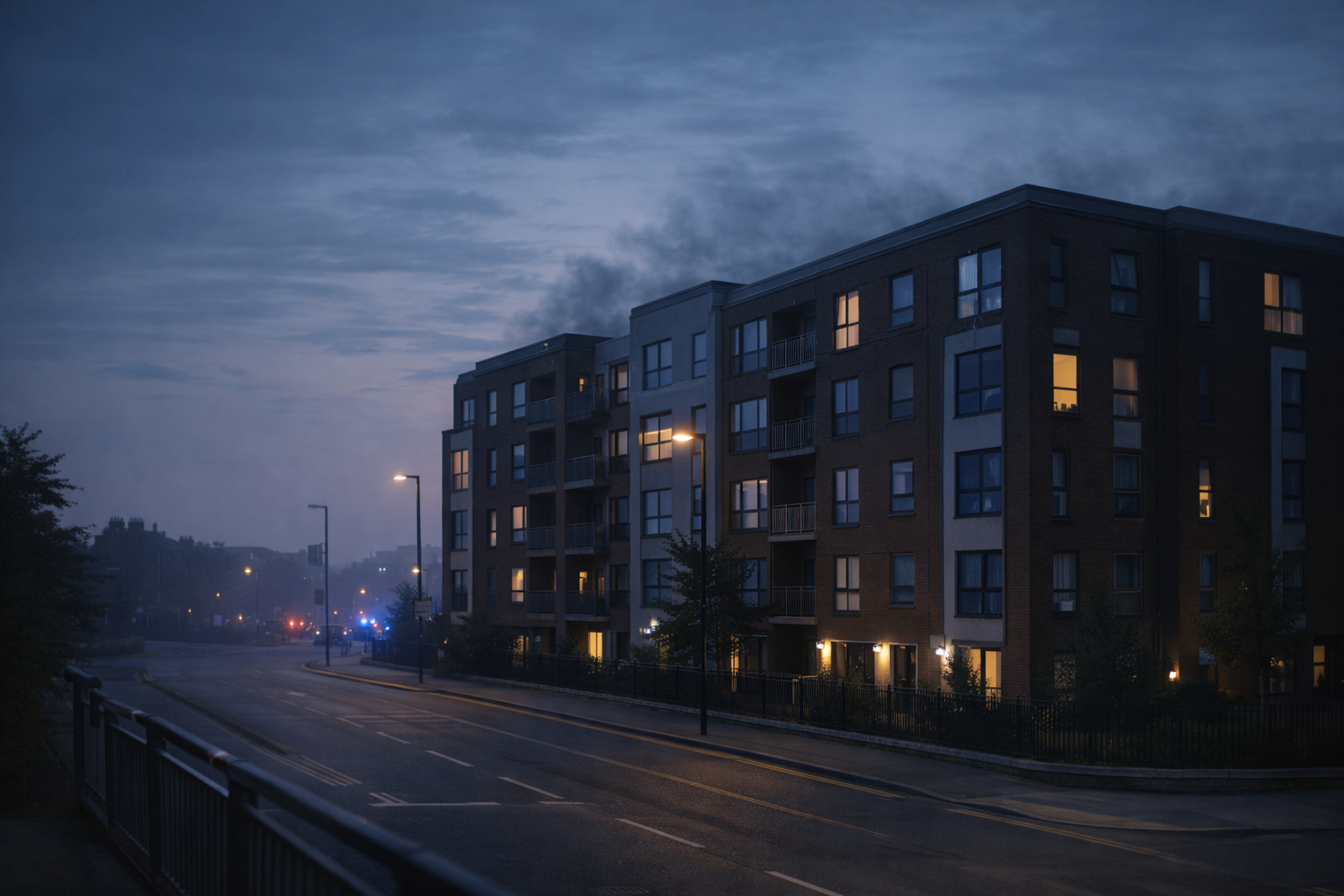
Building safety is a top priority for councils and housing providers in the UK. Recently, the Battersea fire became a major case study for safety experts. This happened after a five-storey block of flats suffered a lot of damage. After an expert review, Wandsworth Council said the quick spread of the flames was linked to the roof void design. This news is a big deal for the housing industry because it shows how hidden parts of a building can change the outcome of a fire. Therefore, we must understand the Battersea fire to keep other buildings safe.
How the Fire Spread So Quickly
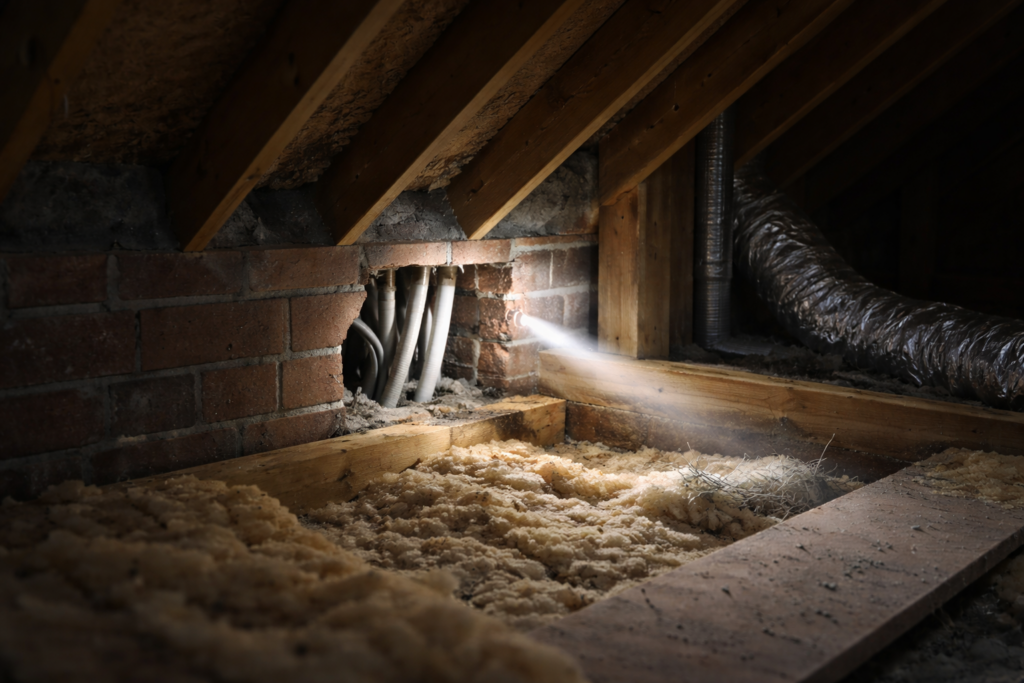
When the Battersea fire started, the fire crews arrived fast. However, the fire moved through the top floors at a scary speed. The council ordered a review to find out why the safety measures did not stop the blaze. As a result, the report found that the roof void was the main problem. A roof void is the empty space between the top floor ceiling and the roof.
In many buildings, these gaps provide space for air and insulation. But if they do not have fire breaks, they act like a chimney. They suck heat and smoke across the whole building. Consequently, the Battersea fire shows that what we cannot see is often the biggest risk.
Why Roof Void Design Matters in the Battersea Fire
The design of the roof in the Battersea fire let the flames skip past fire walls. Usually, builders split buildings into “cells” to keep people safe. This is called compartmentation. It keeps a fire in one flat so people can get out.
In this case, the roof space had no barriers. Once the fire got into the ceiling, it had a clear path to move sideways. Because the fire was hidden, it grew very strong before anyone saw it. This “hidden spread” is a major danger that experts found in the Battersea fire. In addition, it can lead to the roof falling in very quickly.
Lessons from the Battersea Fire for Building Managers
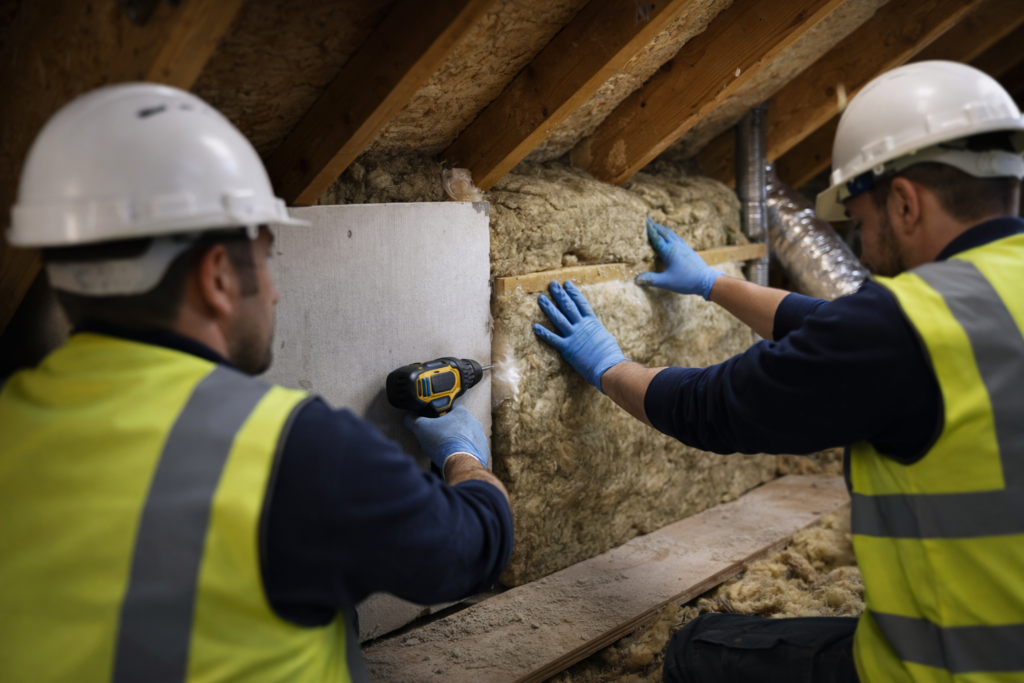
To make buildings safer, we must look at new rules. In the past, inspectors often missed roof voids during checks. This is because they are hard to reach. But the Battersea fire proves we need to look closer. Furthermore, many older buildings might not meet the high standards we have today.
Building Safety Managers must now check these hidden spots. If a roof gap has no fire barriers, the top of the building is not safe. The lessons from the Battersea fire are changing how we do safety audits. For this reason, we can no longer just look at the surface of the walls.
Wandsworth Council and the Battersea Fire Review
Wandsworth Council was right to share the results of the review. By being honest about the Battersea fire, they help other landlords learn. The review showed that the building looked okay on paper. However, the actual work in the roof was not good enough.
There is often a gap between the building plans and the real work. The Battersea fire is a strong reminder for everyone. Safety is not just about filling out forms; instead, it is about making sure fire stops are actually there and working.
Common Failures
There are a few reasons why fire stops fail, as we saw in the Battersea fire. Often, the problems are simple but deadly. For example:
- Bad Fitting: Workers might put in fire barriers poorly, leaving gaps.
- Holes for Pipes: Plumbers or electricians might cut holes for wires and not seal them back up.
- Design Errors: The plans might not show how fire moves through a specific roof shape.
By looking at the Battersea fire, we see that even a tiny gap is a risk. Smoke and heat move with a lot of force. They will find any way through. In this story, that way was through the roof.
The Need for Experts
The aftermath of the Battersea fire shows why we need Building Safety Managers (BSM). This job is not just about paperwork. It is a technical role that requires knowing how a building is put together. A BSM would know that a bad roof design is a “Single Point of Failure.”
Since the blaze, more people want experts who can read fire reports. They need people who can make sure repairs are done right. Specifically, the Battersea fire proves that without a pair of expert eyes, buildings can have hidden dangers.
Talking to Residents

Another lesson from the Battersea fire is about trust. When a fire spreads fast, people feel scared in their own homes. Wandsworth Council had to work hard to talk to the community. They had to explain how they would fix the design flaws.
Good communication is vital. People need to know their block is being checked for the same issues found in the Battersea fire. New laws now require a “Golden Thread” of information. This means keeping digital records of how a building was built. As a result, this helps future managers know about roof designs and risks.
Stopping a Repeat of the Battersea Fire
To stop another Battersea fire, owners are now “remediating” buildings. This means adding fire barriers to old roof voids. This work can cost a lot and be messy, but it saves lives.
Also, the industry is using better materials now. In the Battersea fire, the stuff in the roof helped the fire grow. By using stone wool and fire-rated boards, we can slow down a fire. This gives people more time to get out safely.
New Rules
The UK government is always updating fire rules. The facts from the Battersea fire will likely change future laws for mid-rise blocks. For a long time, everyone focused on “cladding” on tall towers. But this fire proves that five-storey blocks have risks too.
Fire checks are now more “holistic.” This means looking at the whole building. Instead of just looking at doors, we look at the structural bones of the block. The Battersea fire is a lesson that will be taught for a long time because it shows the danger of gaps we cannot see.
Conclusion: Staying Safe
To wrap up, the Battersea fire was a big wake-up call. It showed that hidden flaws in a roof can lead to a disaster. The council’s report gives us a map for how to do things better.
We can keep our homes safe by using better designs and hiring the right experts. We must always remember the Battersea fire. It is the key to protecting lives in the years to come. Safety never stops, and we must always stay alert.
Job Opportunity: Building Safety Manager (Housing)
Are you a safety expert who wants to help in London? After the issues seen in the Battersea fire, we need a skilled Building Safety Manager.
Location: London (Full-time) Pay: £55,323 – £58,461 The Job: You will manage safety for many homes. You will make sure buildings follow the new laws. You will also manage fire and structural risks. This is a very important job to keep people safe.
Apply Today: Building Safety Manager – London Help us make London a safer place to live.