The Building Safety Act (BSA) 2022 sets high safety rules. Building safety experts need clear proof they meet these rules. Indeed, Structural Steel Fire Protection is a key focus area now. In fact, every choice must prove it delivers “compliant passive fire protection” (PFP).
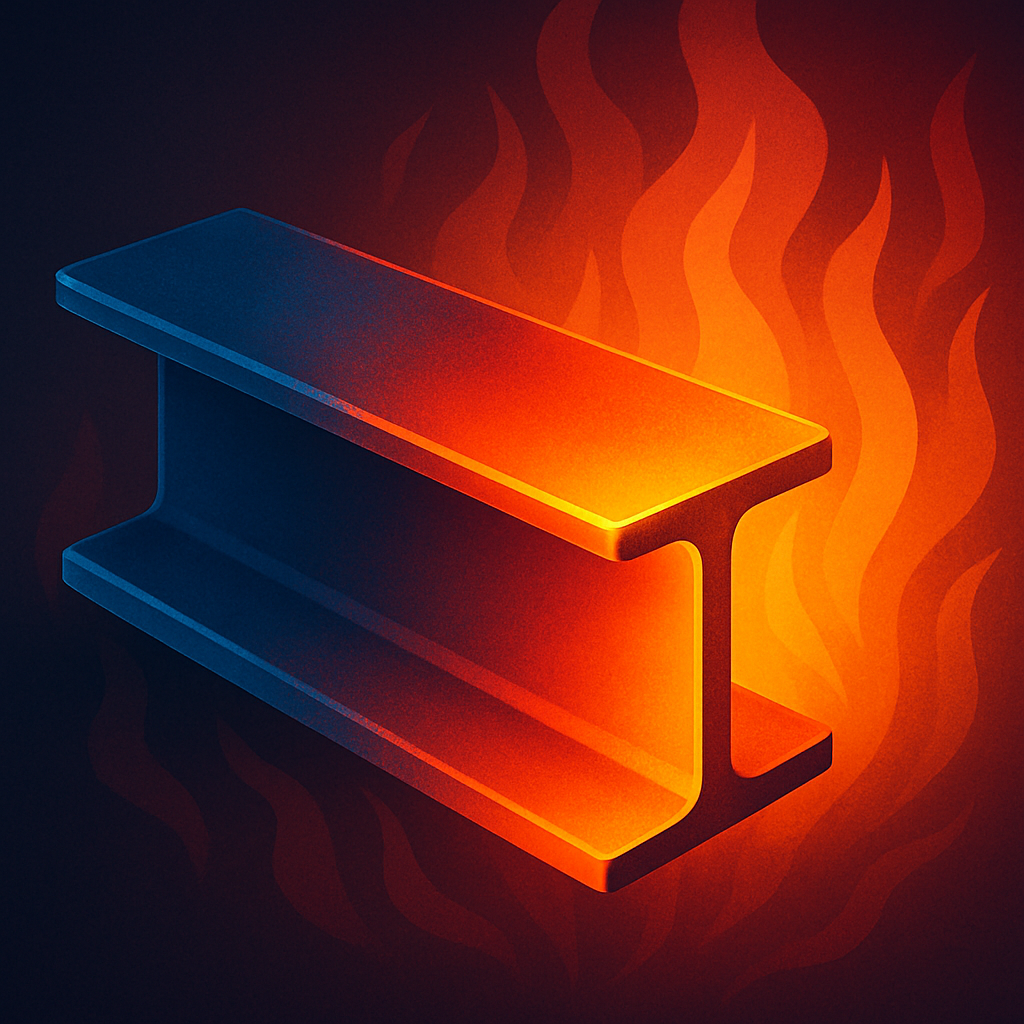
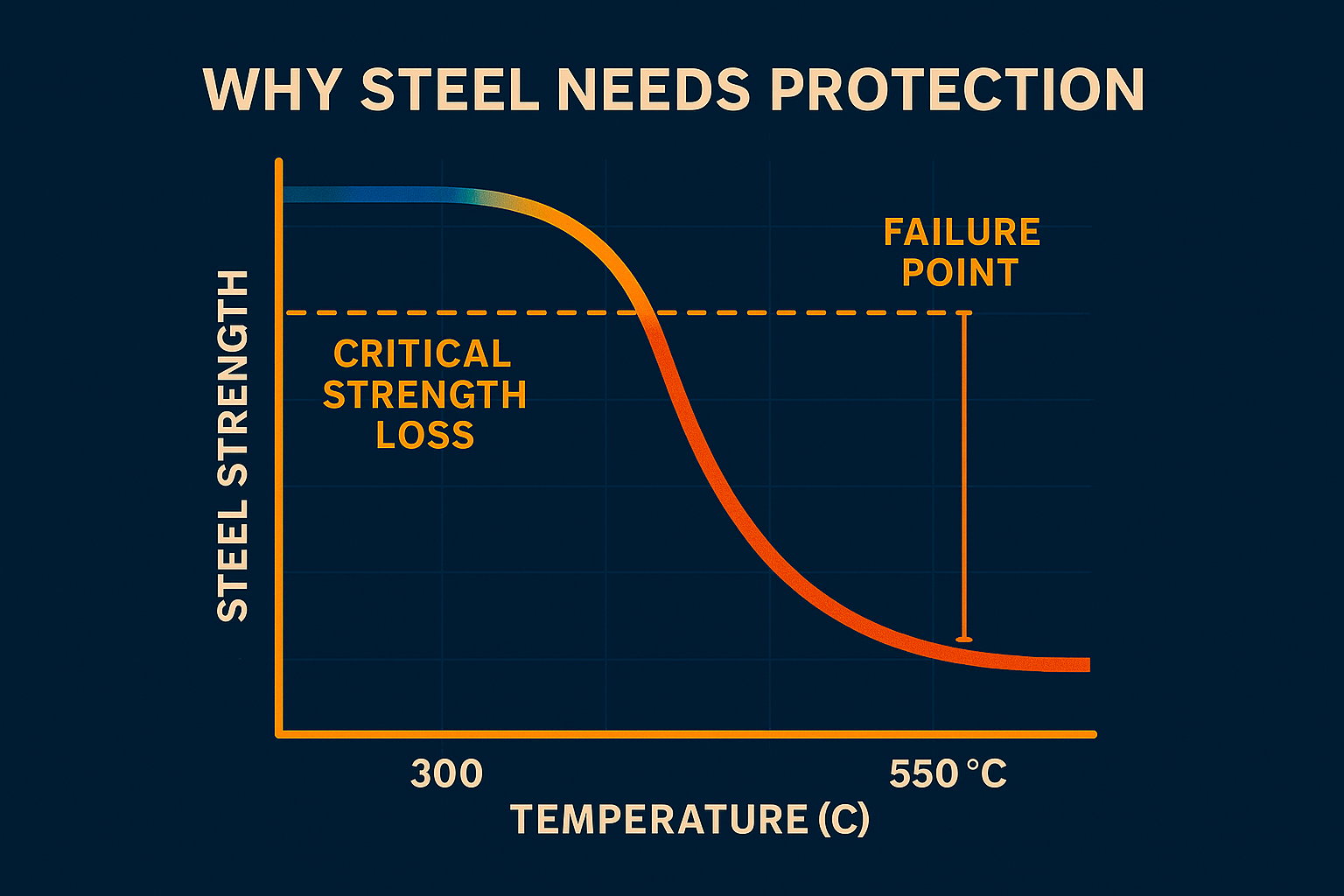
Many modern buildings use structural steel. Steel is useful and looks good. However, it fails quickly in a fire. It loses strength fast. This happens when heat goes above 550∘C. Protecting this key part of the building is vital. Finally, this is the best defense against a collapse.
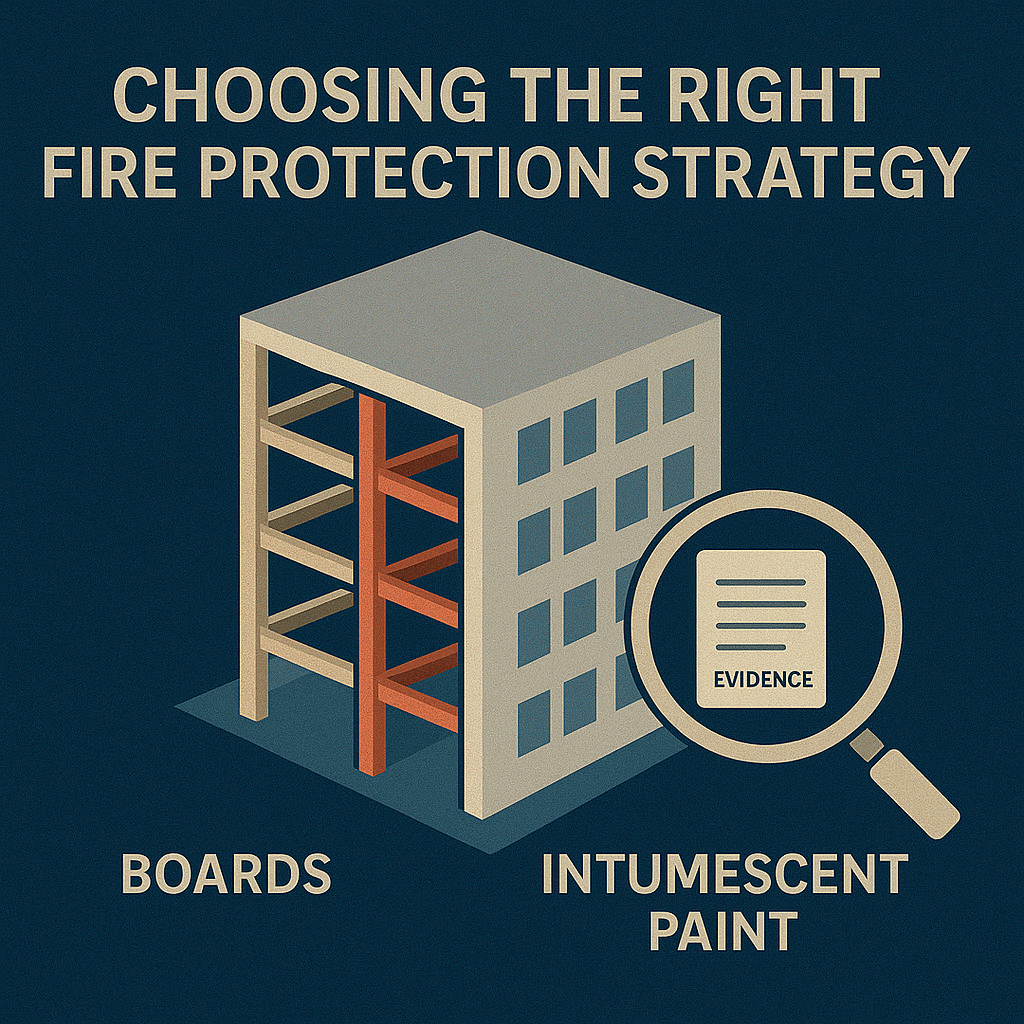
Passive fire protection specialist, Promat published a new whitepaper. Specifically, it tackles a main debate. The debate is: ‘Protecting Structural Steel Fire Protection: Fire board vs intumescent paint’. The paper compares how well these two methods work. Furthermore, it checks proof of compliance and long term costs. Professionals follow the BSA rules. This research gives those professionals crucial facts.
This analysis looks at the Promat whitepaper. In addition, we detail the comparison between fire boards and intumescent coatings. Finally, we explain why this choice is now a clear compliance decision under new laws.
Regulatory Demands for Structural Steel Fire Protection
The BSA changed how we approach safety. To begin with, we stopped just fixing problems. We now actively prove safety with evidence. The Promat paper stresses the need for full PFP. Moreover, it links this need directly to the new regulatory system.
Accountability at the Gateways for Structural Steel Fire Protection
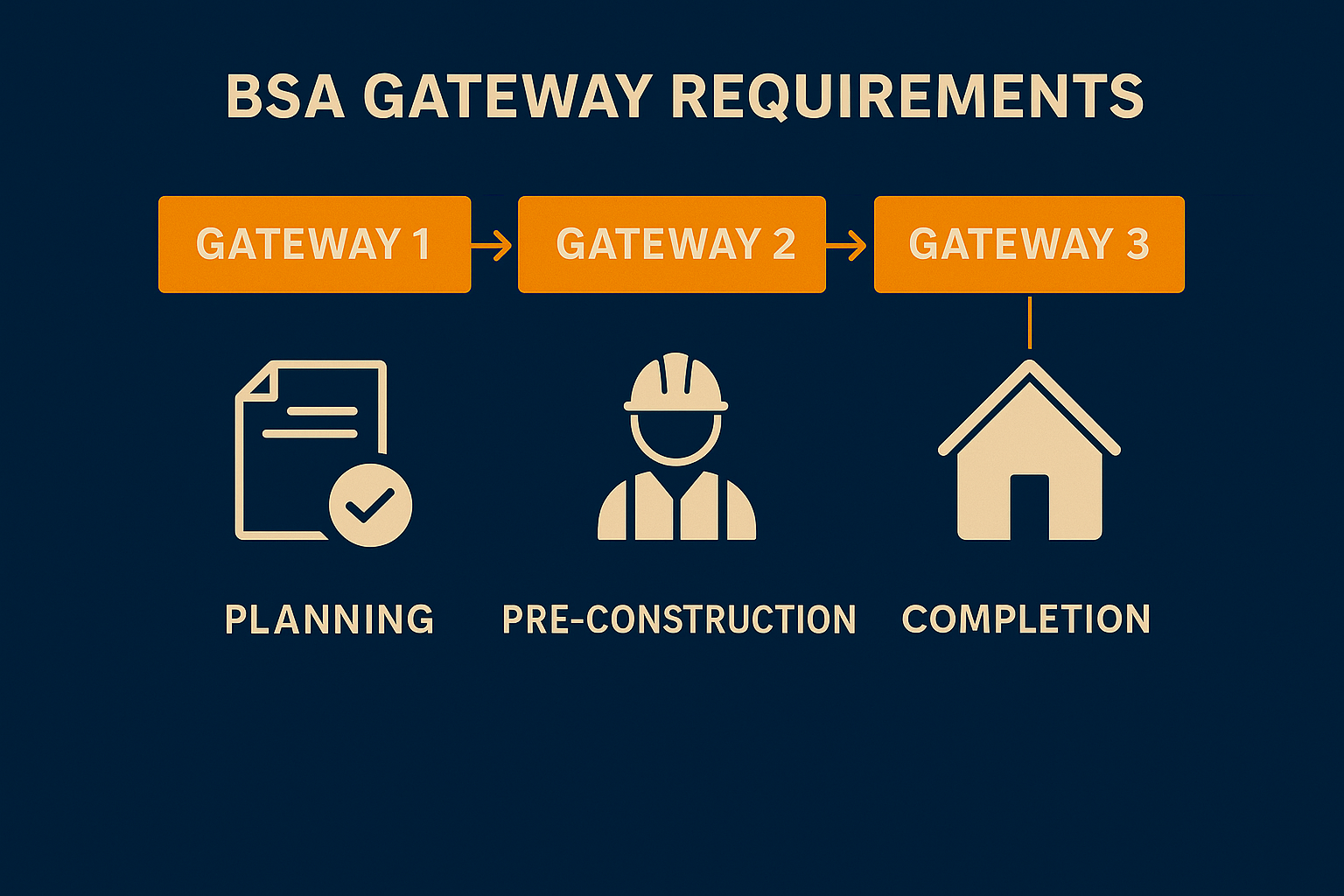
The BSA makes the Principal Designer prove fire safety compliance at every step. These steps happen at the “Gateways”:
- Gateway 1 (Planning): You must plan for fire safety early.
- Gateway 2 (Pre-Construction): You must prove compliance before building starts. The Promat paper warns that poor details can cause rejection here. So, this means costly delays.
- Gateway 3 (Completion/Occupation): Final documents must confirm the building is safe. Essentially, this shows safety measures were built correctly.
This structure makes every PFP decision critical. The Structural Steel Fire Protection method must work in a fire. More importantly, it must have strong, clear evidence for the Golden Thread. This is the building’s digital safety record. Therefore, the choice between boards and paints changes the quality of that proof.
The Fundamental Need for Structural Steel Fire Protection
Steel does not burn, but it gets weak quickly in a fire. Steel loses its strength very fast. Therefore, protecting columns and beams slows this failure. The protection must give the required Fire Resistance Period (FRP). This is often 60, 90, or 120 minutes. Thus, the debate is about which method offers the most reliable insulation.
Deep Dive 1: The Challenge of Intumescent Coatings for Structural Steel Fire Protection
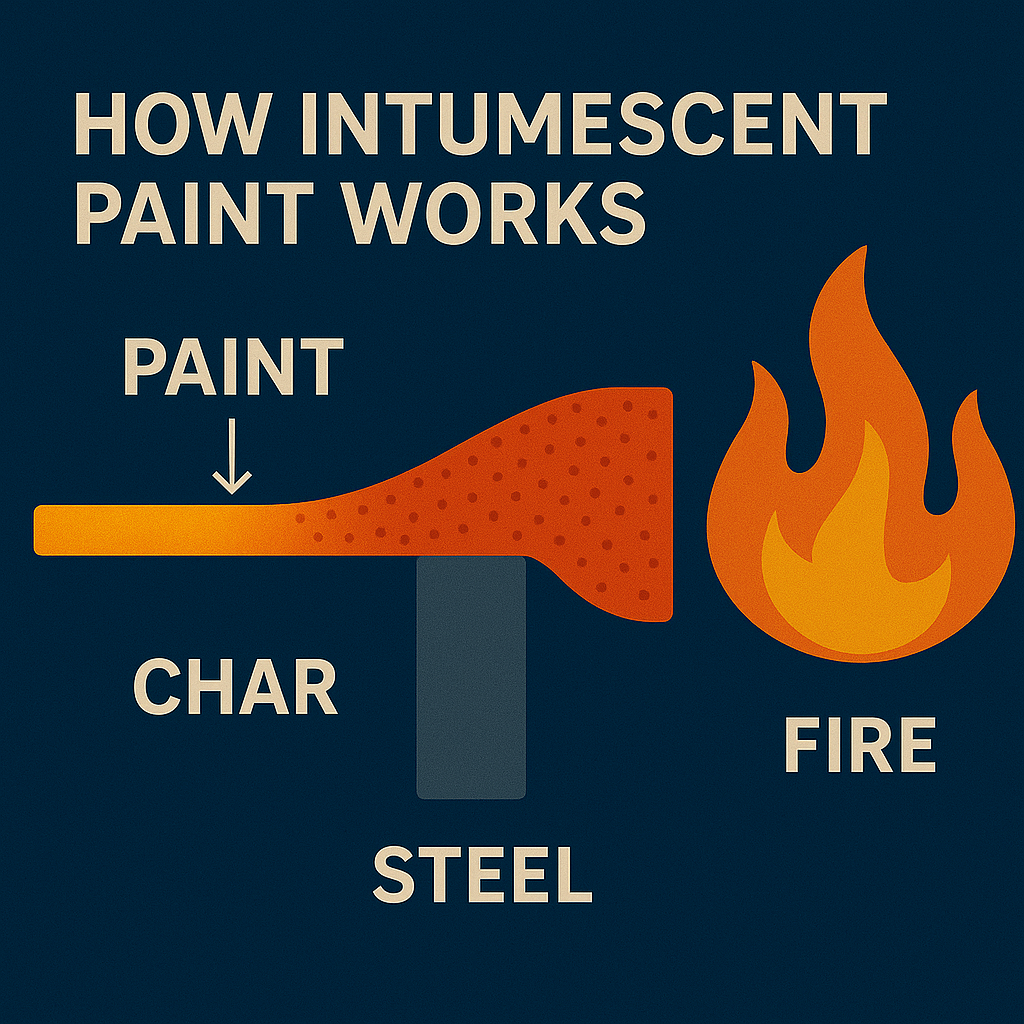
People often call Intumescent coatings “paint.” They are chemical mixes. Workers apply them directly to steel. When fire heats the coating, it swells up. Then, this creates a thick, carbon char layer. This char acts like an insulator. So, it delays the steel’s temperature rise.
Benefits of Intumescent Paint
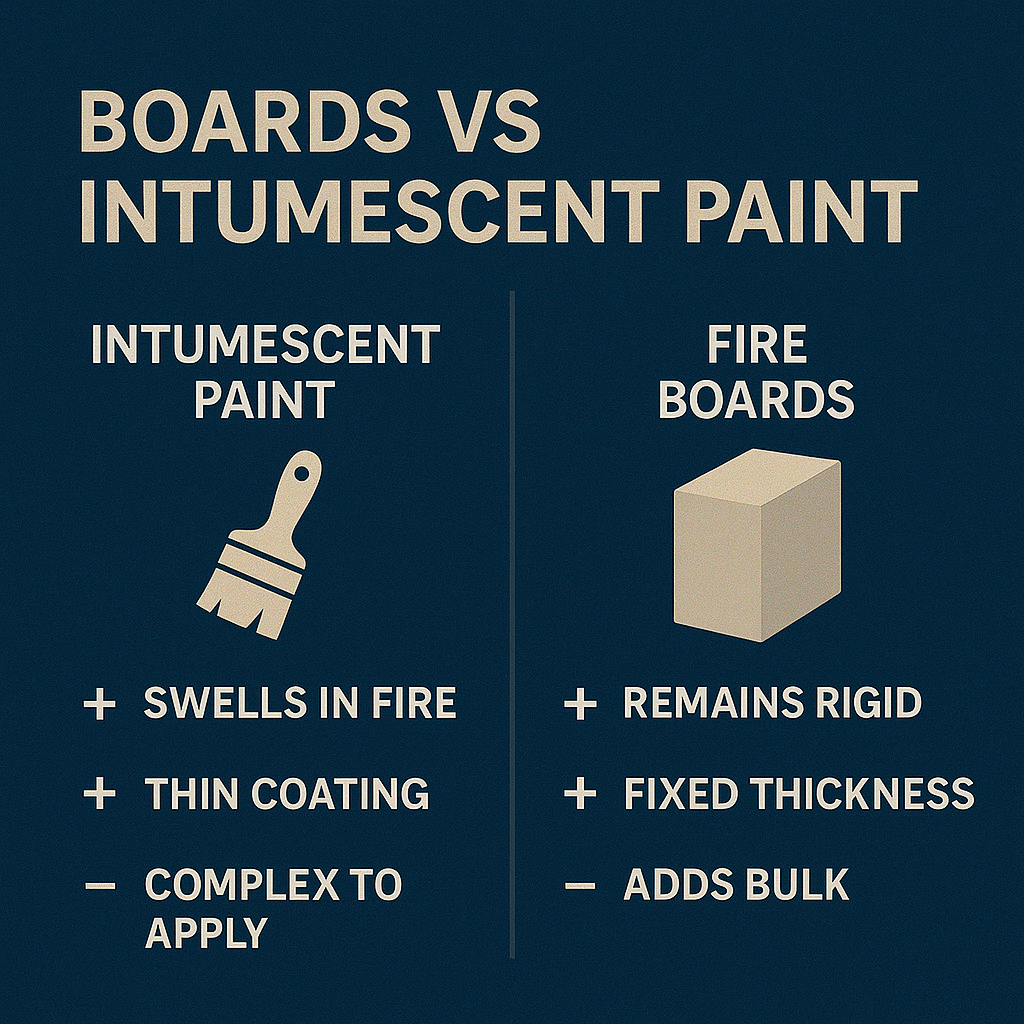
- Aesthetics and Design: The biggest benefit is its look. The paint is thin. Therefore, it follows the shape of the steel. Architects like this for exposed steelwork.
- Application Speed: Workers can spray or roll the paint on quickly for simple shapes.
Compliance Issues: Quality Checks and Verification
The Promat paper raises serious concerns about checking these coatings. This is particularly true under the BSA’s Golden Thread rules:
- Wet vs. Dry Film Thickness (WFT/DFT): The coating only works if the thickness is exact. This thickness changes based on the fire rating needed. Measuring the thickness is technical work. However, it is easy to make mistakes if installers lack full competence.
- Environmental Sensitivity: The paint needs specific heat and humidity levels to dry correctly. If workers apply the paint in bad conditions, the system can fail. Furthermore, this creates a hidden fault that is hard to find.
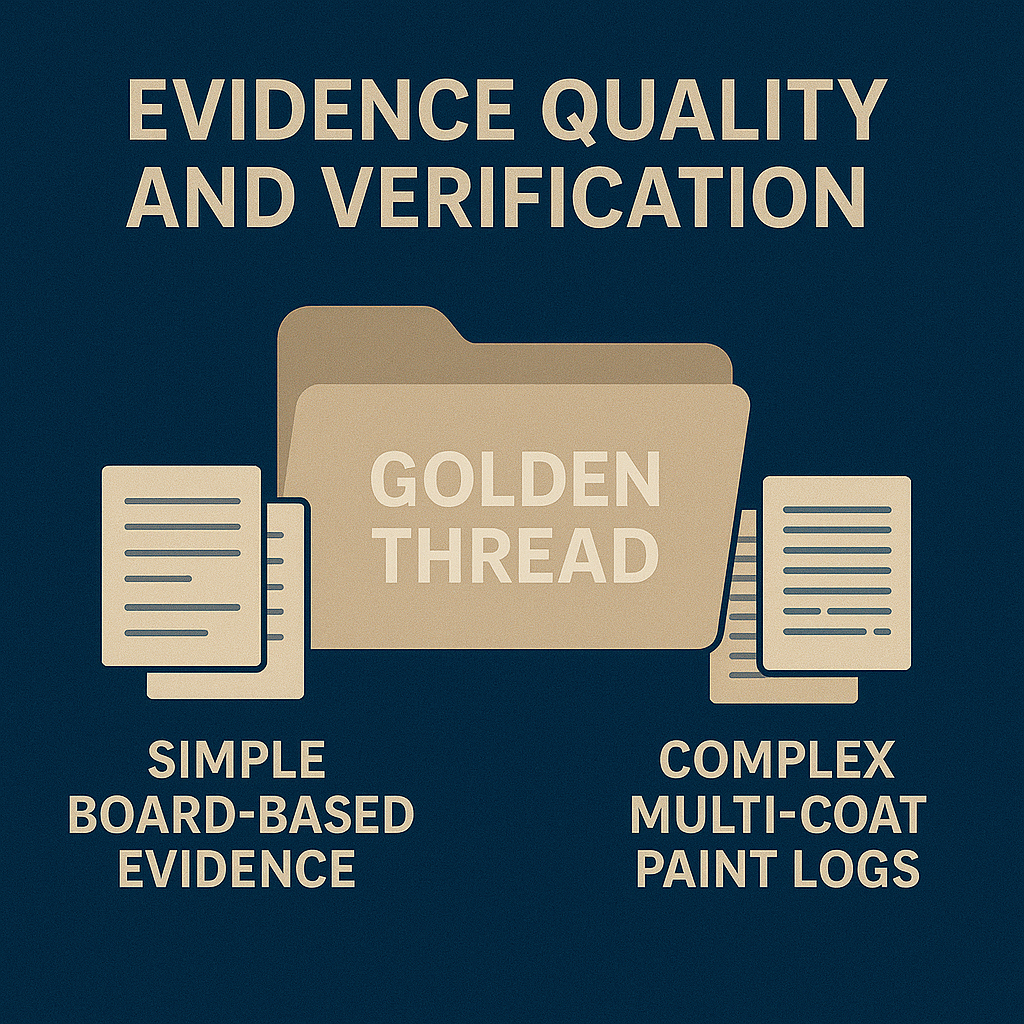
- The Audit Trail: Application involves many coats (primer, base, topcoat). Different teams may apply these layers. As a result, this makes the record complex. Thus, proving compliance needs detailed records for every steel part. These records must include thickness readings and weather logs.
- Durability and Maintenance: Over time, knocks or moisture can damage the paint. The Building Safety Manager must inspect it often. Repairs need re priming, re coating, and re certifying. In addition, this adds long term cost and complexity.
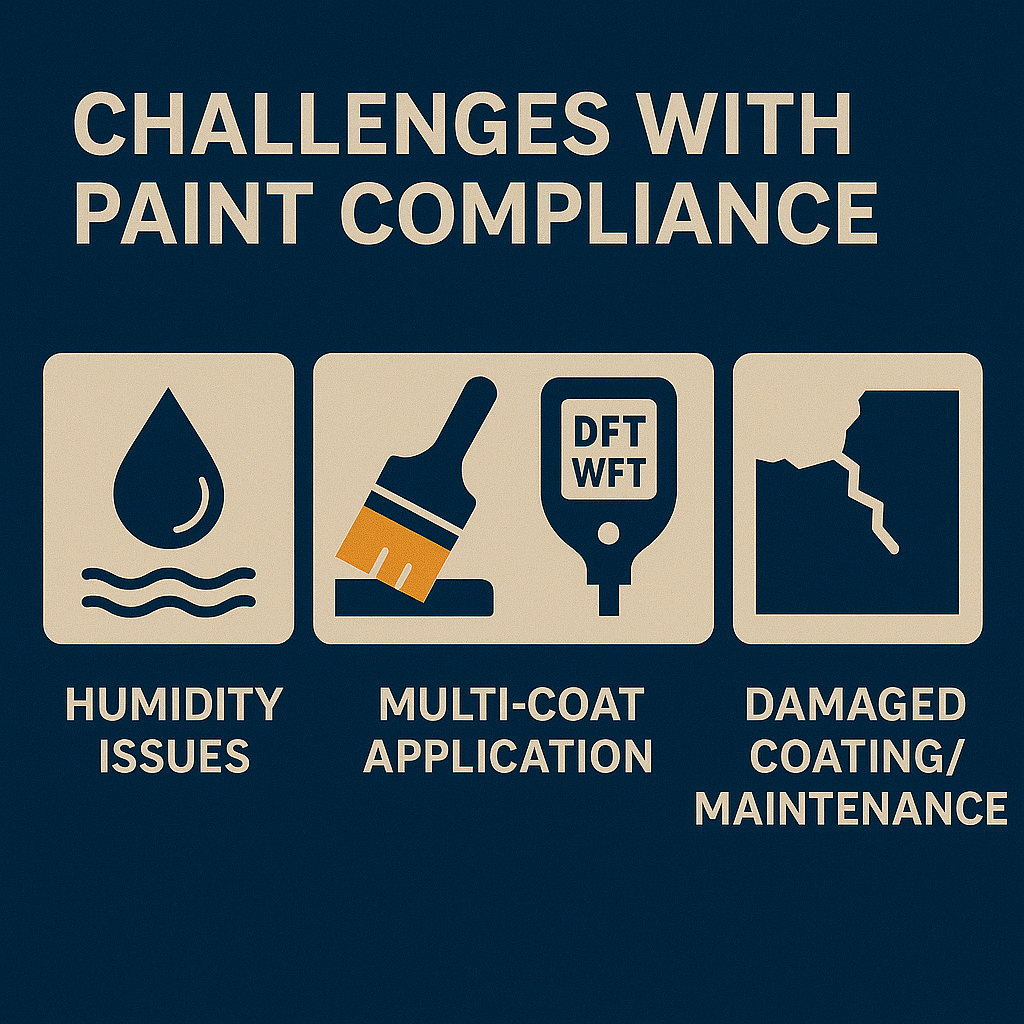
In summary, checking intumescent paint for Structural Steel Fire Protection is hard. A Building Safety Manager (BSM) cannot easily check the thickness later. Proof relies mostly on the installer’s first paperwork. Clearly, the BSA wants to remove this risk.
Deep Dive 2: Fire Protection Boards for Structural Steel Fire Protection
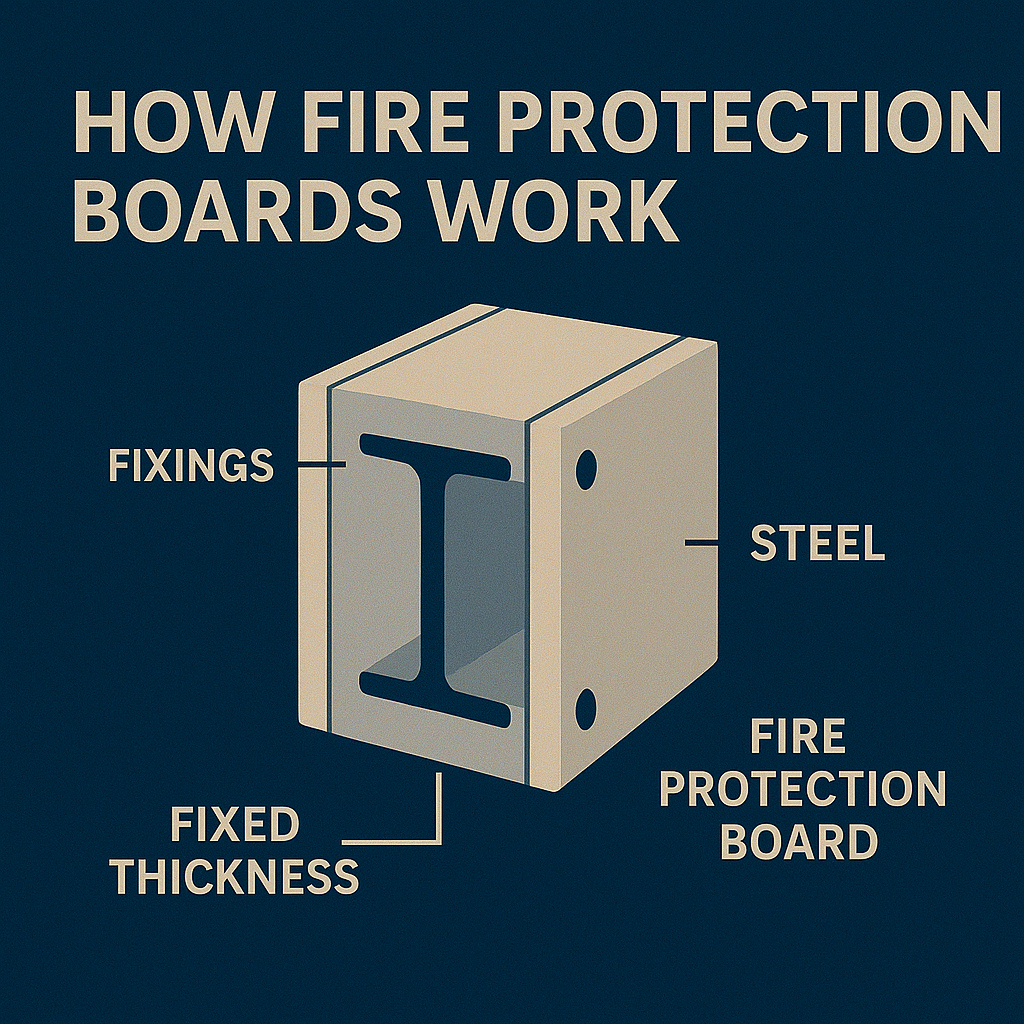
Fire protection boards are rigid, fire resistant sheets. They use materials like calcium silicate. Workers fix them around the steel members. Crucially, these boards create a physical barrier. This barrier has a known, fixed thickness.
Key Advantages of Fire Boards for Structural Steel Fire Protection
- Predictable Fire Performance: The board thickness is clear and consistent. Site conditions do not affect it. Once workers install the board, the thickness is fixed. Therefore, this greatly improves quality checks (QA).
- Strong Evidence for the Golden Thread: Installing boards creates clearer evidence. A Registered Building Inspector can easily check the board type, thickness, and fixings on site. If the board is visible, checking it stays simple throughout the building’s life.
- All Weather Installation: A factory makes the boards. Consequently, they are less sensitive to site heat or humidity. This reduces the risk of installation failure.
- Durability and Whole Life Cost: Boards handle impact damage much better. They last a long time. This means less maintenance and fewer expensive repairs. Ultimately, this reduces the long term cost for the owner.
Considerations for Fire Boards
- Aesthetics and Space: Boards add bulk to the steel. They do not work if architects want exposed steel. Also, they reduce floor space slightly more than paint.
- Installation Complexity: Boards are simple for basic columns. However, fitting boards around complex joints needs careful cutting. As such, this requires highly competent installers to prevent gaps.
The choice of fire board gives the Principal Designer peace of mind. Specifically, the compliance evidence is simple. Hence, this reduces the risk of rejection at Gateway 2.
The Promat Position on Structural Steel Fire Protection
The Promat whitepaper stresses the need for provable and long term compliance. Indeed, this is its main point.
After Grenfell and the BSA, we cannot just trust old certificates. New rules demand that Structural Steel Fire Protectionsystems must provide evidence throughout the building’s life.
Promat, as a specialist, shows the risks of complex wet applications. By comparison, it compares these to the clear strength of dry board systems. The whitepaper argues that paint has its place. Yet, guaranteeing the correct thickness everywhere, and the complex long term check, creates a high compliance risk.
The paper strongly supports choosing solutions that are easy to check and durable. For instance, Fire boards are fixed products with measurable properties. They offer a stronger, simpler evidence trail for the Golden Thread. Checking a fire board is quick. You check the thickness and material. This is much easier than the hard methods needed to check old paint thickness.
How This Research Impacts Building Safety Professionals
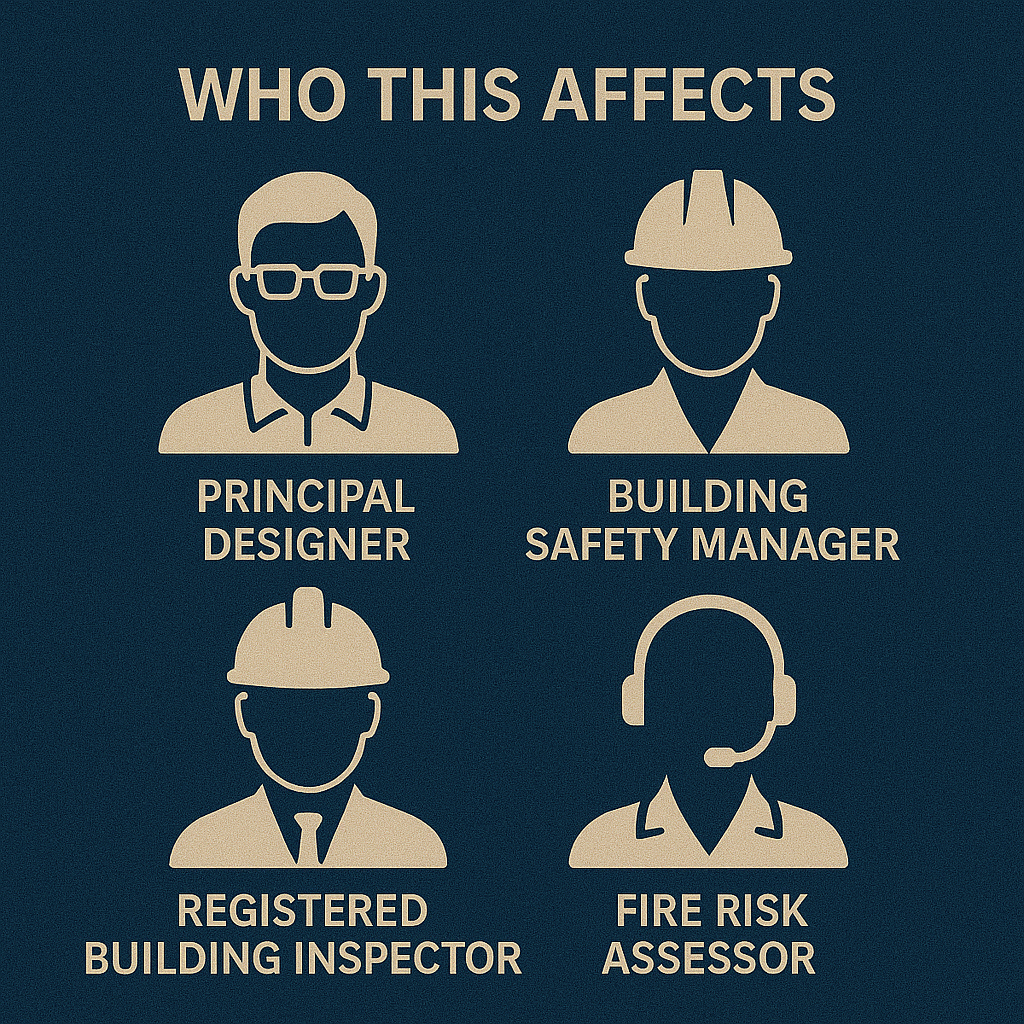
The whitepaper’s findings matter for all new BSA roles:
1. Principal Designer and Principal Contractor
The whitepaper confirms that you must choose Structural Steel Fire Protection based on how easy it is to verify. You cannot just pick based on initial cost. Instead, a system with clear photos, fixed thickness, and simple guides will make Gateway 2 submission easier. The focus must be on reducing human errors during construction.
2. Building Safety Manager (BSM)
The BSM is responsible for ongoing safety (Gateway 3). They must maintain the Golden Thread. Durable, easily inspected systems, like fire boards, reduce the BSM’s workload and costs. Conversely, if intumescent paint is used, the BSM must plan for regular, expensive inspections and repairs.
3. Registered Building Inspector
The Registered Inspector must confirm the building meets standards. The Promat paper shows that fire boards offer clear, objective checks (screw type, thickness). Thus, this makes approval simpler than checking complex paint thickness logs.
4. Fire Risk Assessor (FRA)
For the FRA, the PFP choice greatly affects the risk level. If a structure uses fire boards, the FRA can have high confidence in the fire rating. However, if intumescent paint is used, the FRA must assume a higher risk. This is true unless detailed and recent maintenance records for the coating are available.
Conclusion: Strategic Structural Steel Fire Protection
Promat’s whitepaper is a key resource for building safety professionals. In essence, it asks them to judge Structural Steel Fire Protection through the rules of the Building Safety Act.
Intumescent coatings are useful when looks are vital. However, the new laws focus on clear evidence, durability, and simple checks. Therefore, fire protection boards naturally meet these strict new needs better. They provide a more reliable contribution to the Golden Thread.
For everyone in high risk buildings, the choice must use facts. You must choose a system that lowers risk and maximises evidence. Ultimately, this is the only way to ensure compliance and, most importantly, resident safety.
We urge all building safety professionals to read the full whitepaper. Use its findings to improve your plans. After all, failure is too costly to choose anything less than the most reliable solutions.
To download the Promat whitepaper and learn more about achieving comprehensive fire protection compliance, please follow the link here