Grenfell and the Need for a Permanent Memorial
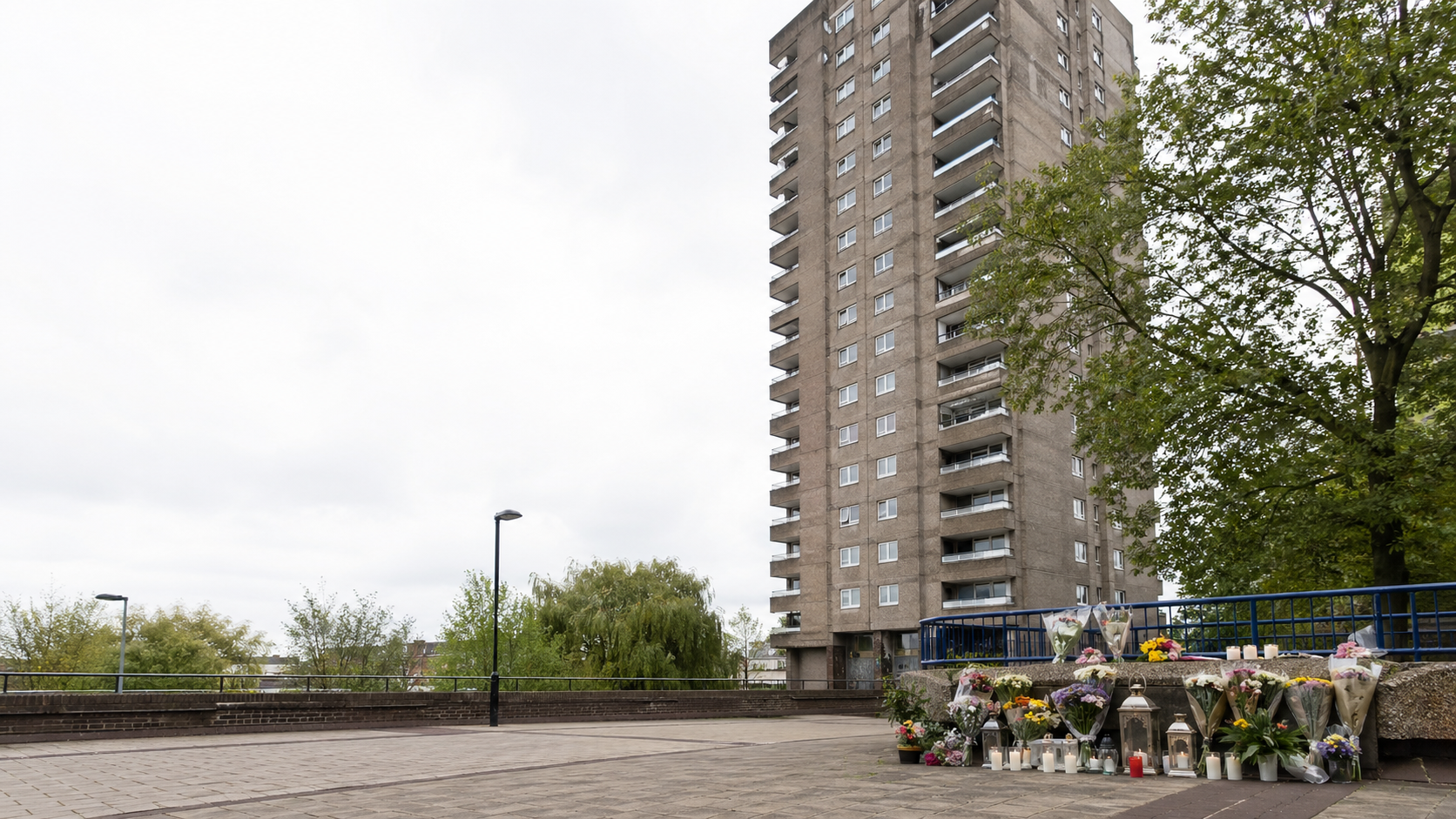
The Grenfell Tower tragedy remains one of the most painful reminders of why fire safety must never be treated as a box-ticking exercise. On 14 June 2017, 72 people lost their lives in a fire that exposed deep failures across housing, construction, regulation and accountability.
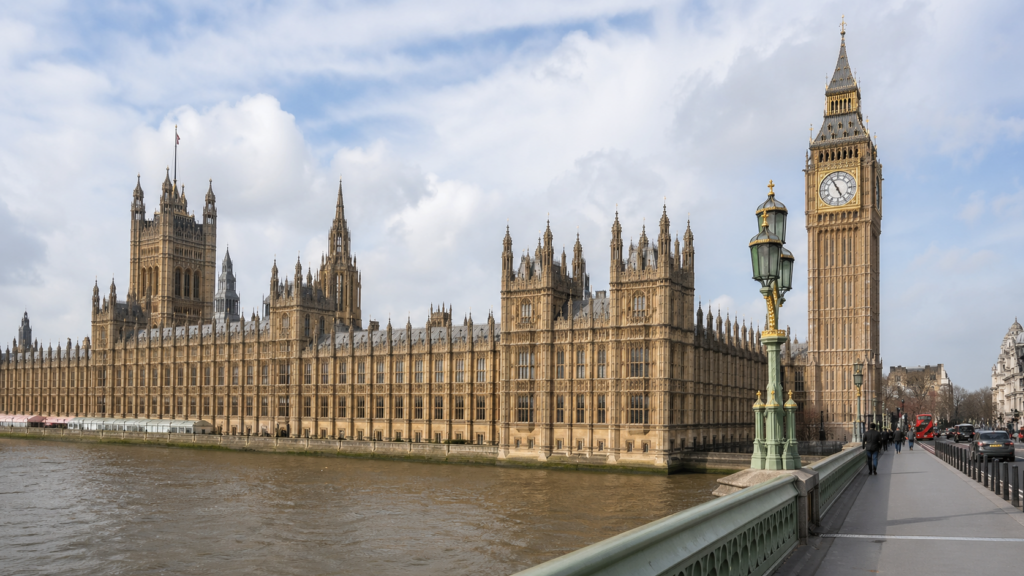
On 14 April 2026, the House of Lords held the second and third readings of the Grenfell Tower Memorial (Expenditure) Bill. The Bill gives the government the legal authority to fund the construction, management and long-term care of a permanent memorial to those who died. Parliament has confirmed that this is a money bill, meaning the Lords could not amend it and its remaining stages took place on the same day.
Fire Safety and a Community-Led Grenfell Memorial
The memorial is not just another public project. It is intended to be shaped by bereaved families, survivors and the local community. During the Lords debate, Baroness Taylor of Stevenage made clear that the Bill is simple in legal terms, but deeply important in human terms. Its purpose is to support the memorial process, not take control away from those most affected.
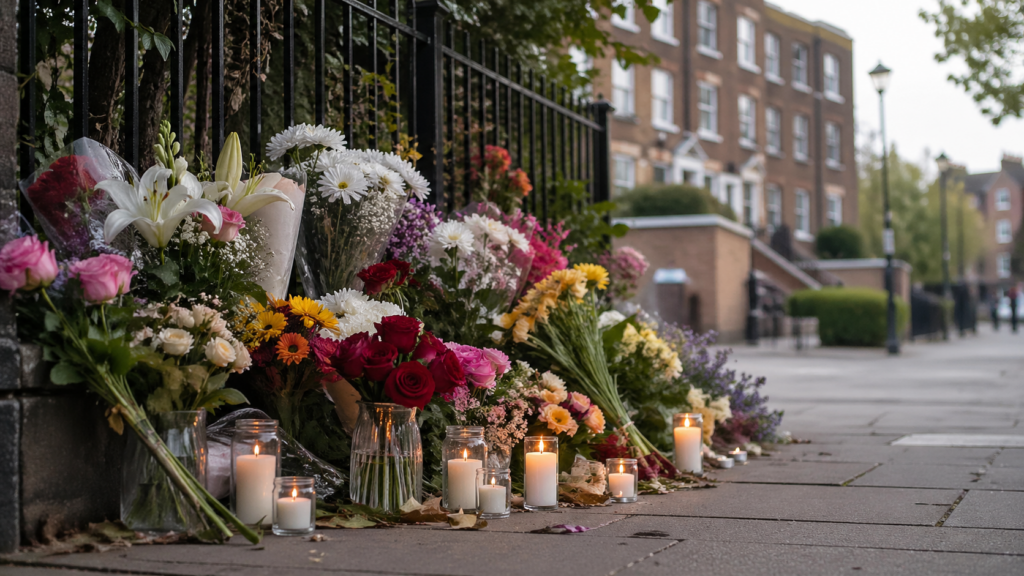
That matters. A Grenfell memorial must be more than stone, planting or architecture. It must carry memory, dignity and truth. It must also stand as a permanent reminder that fire safety decisions affect real people, real homes and real families.
Grenfell, Fire Safety Reform and Accountability
Several members of the House of Lords used the debate to look beyond the memorial itself. Lord Andrew Roe reflected on the courage shown on the night of the fire, including by firefighters and residents. He also stressed that the government’s wider duty is to ensure that building safety standards are properly reformed.
That point is critical. A memorial honours the lives lost, but lasting respect also requires action. The Grenfell Tower Inquiry Phase 2 report set out serious failings across the system and made recommendations aimed at preventing another disaster. The government has said it accepts the Inquiry’s recommendations and has linked its response to wider reforms in building safety, fire safety and regulation.
Why Grenfell Still Matters for Fire Safety Professionals
For anyone working in housing, construction, compliance or building safety, Grenfell is not just history. It is a professional warning. Poor decisions, weak oversight and unclear accountability can have devastating consequences.
The debate also raised questions about corporate responsibility. Some peers argued that stronger corporate criminal law may be needed, including a possible “failure to prevent” model. The argument is simple: if organisations make decisions that put lives at risk, the law must be able to respond properly. A society needing that spelled out is bleak, but here we are.
Fire Safety Must Be the Legacy
The Grenfell Tower Memorial Bill is an important step. It supports a permanent place of remembrance for the 72 people who died. But the wider legacy must be stronger fire safety, safer homes and a culture where residents are listened to before tragedy strikes.
For the built environment sector, the message is clear. Remembering Grenfell means more than looking back. It means raising standards, improving competence and making sure every home is managed with care, honesty and responsibility.
Advance Your Career in Fire Safety and Building Safety
Are you committed to improving residential safety and compliance?
Role: Assistant Building Safety Manager
Location: London
Salary: £37,451 – £45,500
Working Pattern: Full Time
Apply today to help make homes safer and support higher standards across the housing sector.