The Building Safety Regulator is facing growing criticism after concerns that delays and strict approval rules may be slowing down urgent fire safety work in high-rise buildings.
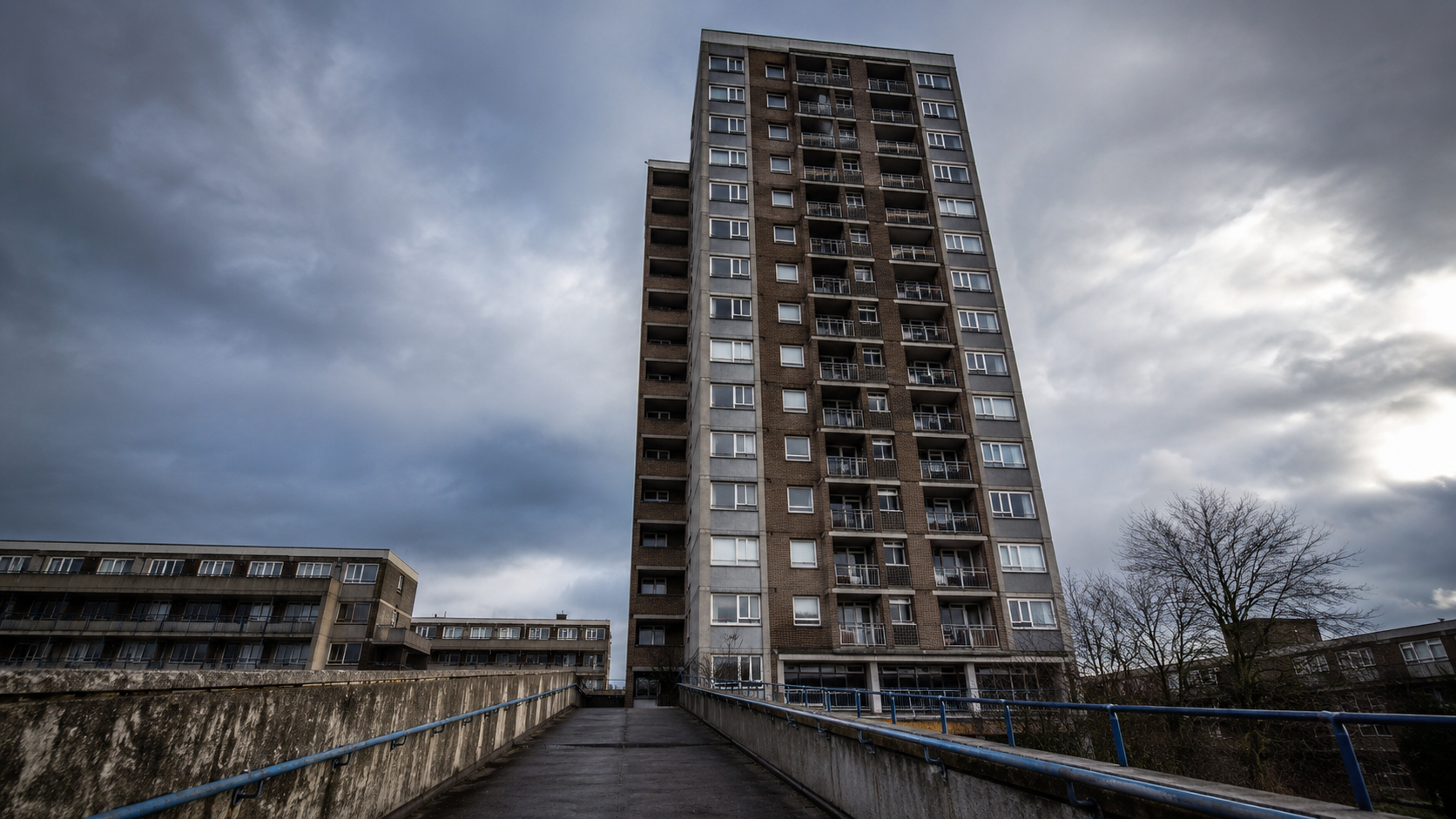
The issue has come into sharp focus after a dispute involving Enfield Council in North London. According to reports, the council and its contractor carried out urgent firestopping work on a 16-storey residential block after finding serious risks during approved repair works. The work was done without waiting for fresh approval from the BSR, as the council believed the risk to residents was too serious to delay.
This has sparked a wider debate across the housing and construction sectors. The key question is simple: how do you balance strong regulation with the need to act quickly when residents may be at risk?
Why the Building Safety Regulator Matters

The BSR was created to improve safety in higher risk buildings after years of serious failures in building control and fire protection. It oversees building control approval for higher-risk buildings, including residential buildings that are at least 18 metres tall or have seven or more storeys.
That role is vital. Strong checks help make sure building work is safe, properly planned and legally compliant. No one sensible is arguing against regulation. That would be like removing seatbelts because they wrinkle your shirt.
But problems arise when urgent works are delayed by long approval times. In this case, Enfield Council reportedly waited around four months for approval on initial works. During those works, contractors found further firestopping defects in a plant room. They decided to fix them straight away and seek retrospective approval.
The Fire Safety Dilemma
The BSR later issued contravention notices because the extra works were judged to fall outside the rules for emergency repairs. Under the higher-risk building procedures, emergency repairs are defined as works needed urgently because of a risk to health, safety or welfare.
This is where the dispute becomes serious. Reports say an electrical fire later broke out in the same plant room. The firestopping work helped contain the blaze. Without it, the fire may have spread further through the building.
For landlords, contractors and building safety teams, this creates an uncomfortable message. Act too slowly and residents may be put at risk. Act too quickly and you may face enforcement action. A beautifully absurd trap, built entirely out of forms.
Why This Matters for Building Safety Professionals
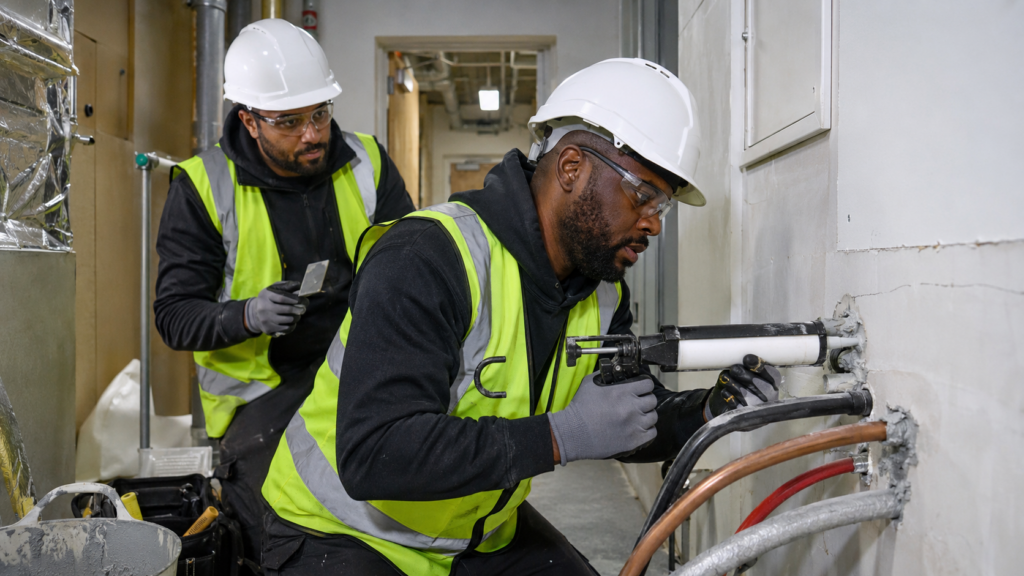
This case shows why clear rules are so important. The BSR must protect residents by making sure work is safe and properly controlled. But the system also needs to support urgent fire safety action when serious risks are found on site.
If councils, housing providers and contractors feel they could be punished for doing the right thing in an emergency, some may delay work until approval is granted. That could make buildings less safe, not more safe.
The government is now reviewing how emergency repair rules should work. The aim should be a system that keeps strong oversight, but also allows competent professionals to act fast when life safety is at stake.
Career Opportunity: Advance Your Compliance Career
Are you prepared to navigate this evolving regulatory landscape? As enforcement parameters shift, expert professional oversight remains paramount to safeguarding residential communities. Discover your next career advancement via BuildingSafetyJobs.com.
London Borough of Redbridge are currently recruiting for an essential, high-impact regional position: apply now for the Building Safety Assurance Manager (Full-Time, Greater London) to drive institutional safety excellence and effectively manage complex regulatory demands.