Remediation Bill confirmed in the King’s Speech
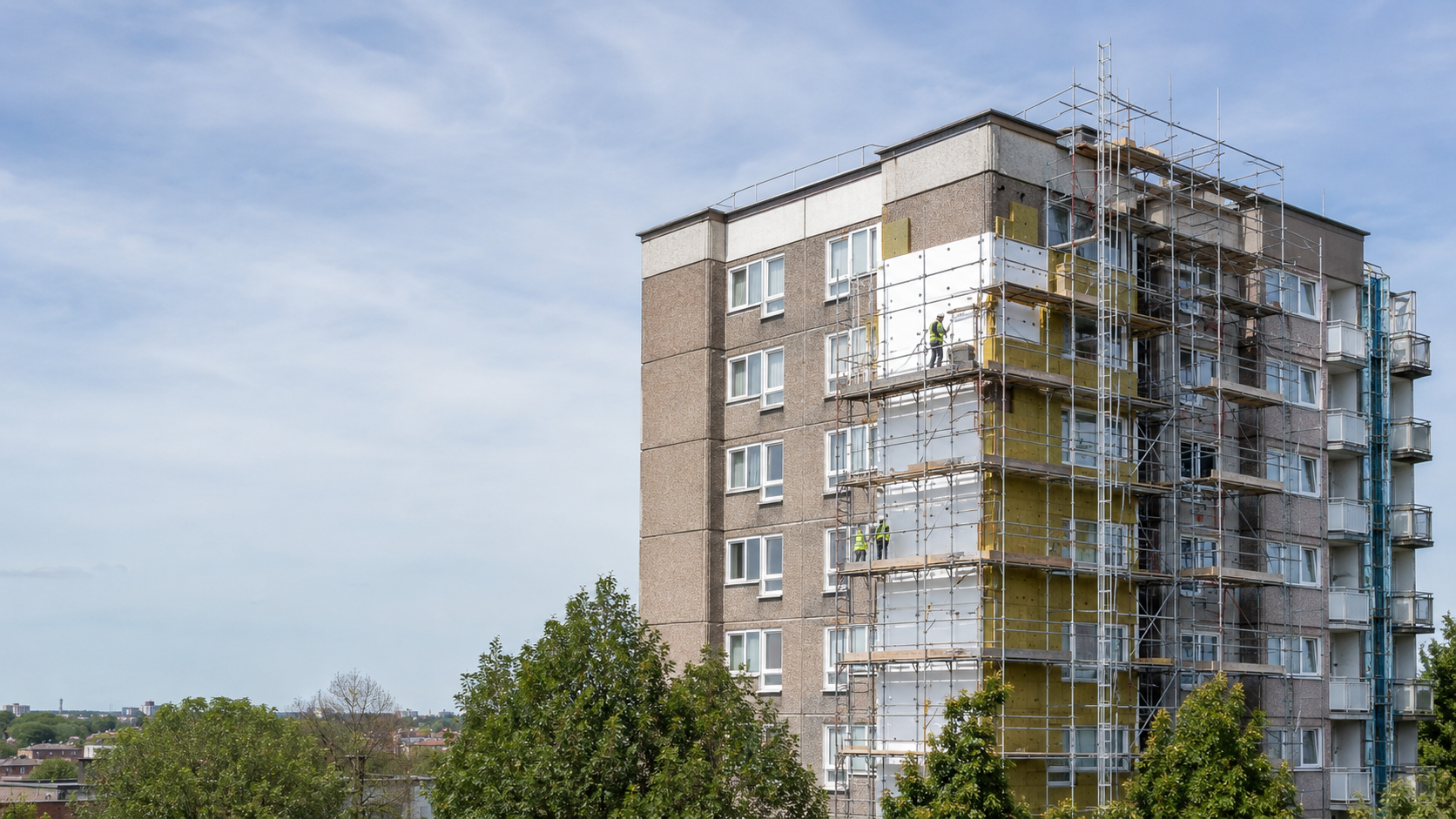
The Remediation Bill was confirmed in the King’s Speech on 13 May 2026. Its aim is simple: speed up work on homes with unsafe cladding and make sure residents are not left waiting for years while building owners, developers and manufacturers argue over who should pay.
For many residents, this is not just a legal issue. It is about living in homes that feel unsafe, being unable to sell, and waiting for fire safety work that should have happened long ago. The Remediation Bill is designed to push that work forward and close gaps in the current system.
Why the Remediation Bill matters for fire safety
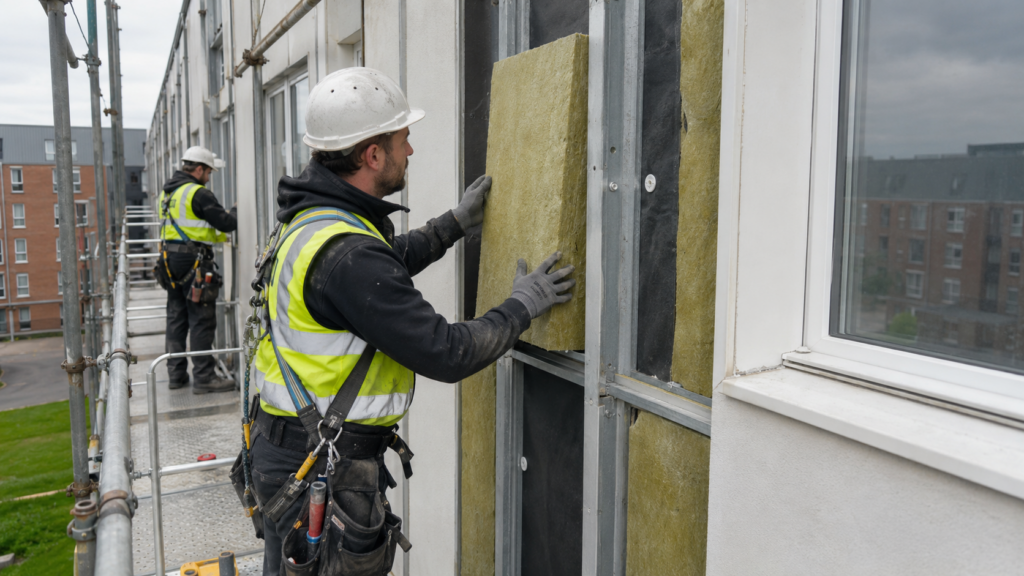
The Remediation Bill matters because unsafe cladding is still one of the biggest fire safety issues in housing. The Bill is expected to give stronger powers to regulators and make it harder for those responsible to delay action.
The government has said the Bill will help deal with people and organisations that block remediation. It will also support a more consistent national approach to external wall assessments. That should help reduce confusion and make it clearer which buildings need urgent work.
Stronger accountability under the Remediation Bill
A key part of the Remediation Bill is accountability. Construction product manufacturers are expected to contribute towards the cost of fixing unsafe cladding. This is important because many residents have felt trapped while responsibility is passed around like a cursed clipboard.
The Bill is also expected to help developers, contractors and others recover costs from manufacturers where their products played a role in unsafe buildings. This could make remediation faster and fairer, especially where legal barriers have slowed progress.
Remediation Bill and the 11–18 metre register
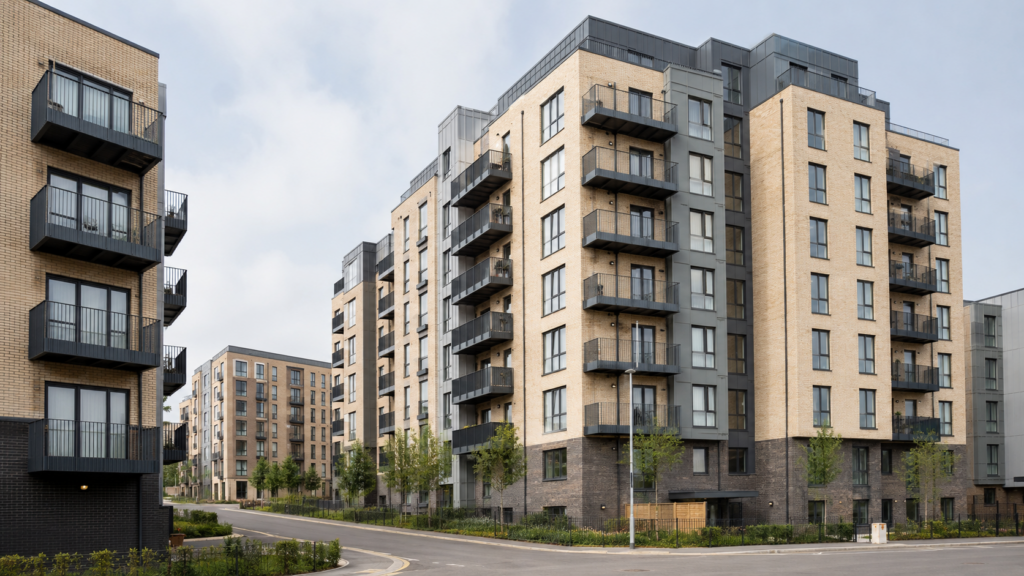
The Remediation Bill is also expected to introduce an 11–18 metre register. This would help the government build a clearer picture of medium-rise buildings in England that may still need remediation work.
That matters for fire safety because good decisions need good data. Without a clear record of affected buildings, it is harder to plan, fund and monitor works. The register should help identify risk, track progress and make sure fewer buildings fall through the cracks.
The remediation backstop
Another major proposal is the remediation backstop. This could allow third parties, such as Homes England, to step in where building owners fail to act. Social Housing reported that Homes England is expected to receive powers to tackle remediation directly where needed.
This is a major shift. It means unsafe buildings may no longer sit untouched simply because the responsible party is absent, slow or unwilling.
What the Remediation Bill could mean for professionals
For building safety and fire safety professionals, the Remediation Bill could mean more work, tighter duties and greater scrutiny. Project managers, building safety managers, fire engineers and compliance specialists may all see rising demand as remediation projects move forward.
The Property Institute has welcomed the Bill but warned that it may not go far enough on internal safety defects and pledged developers.
Even so, the direction is clear. The Remediation Bill is another sign that building safety is moving from promises to enforcement. For residents, that shift cannot come soon enough.
Career Opportunity: Building Safety Project Manager
Are you a dedicated professional looking to make a difference in the building safety sector? The Royal Borough of Greenwich is currently seeking a Building Safety Project Manager for a full-time role in Thamesmead, London. This position offers a competitive salary range of £54,267 – £57,402.
View Job Details and Apply Here
How do you feel this new legislation will impact the current timeline for existing remediation projects in London?