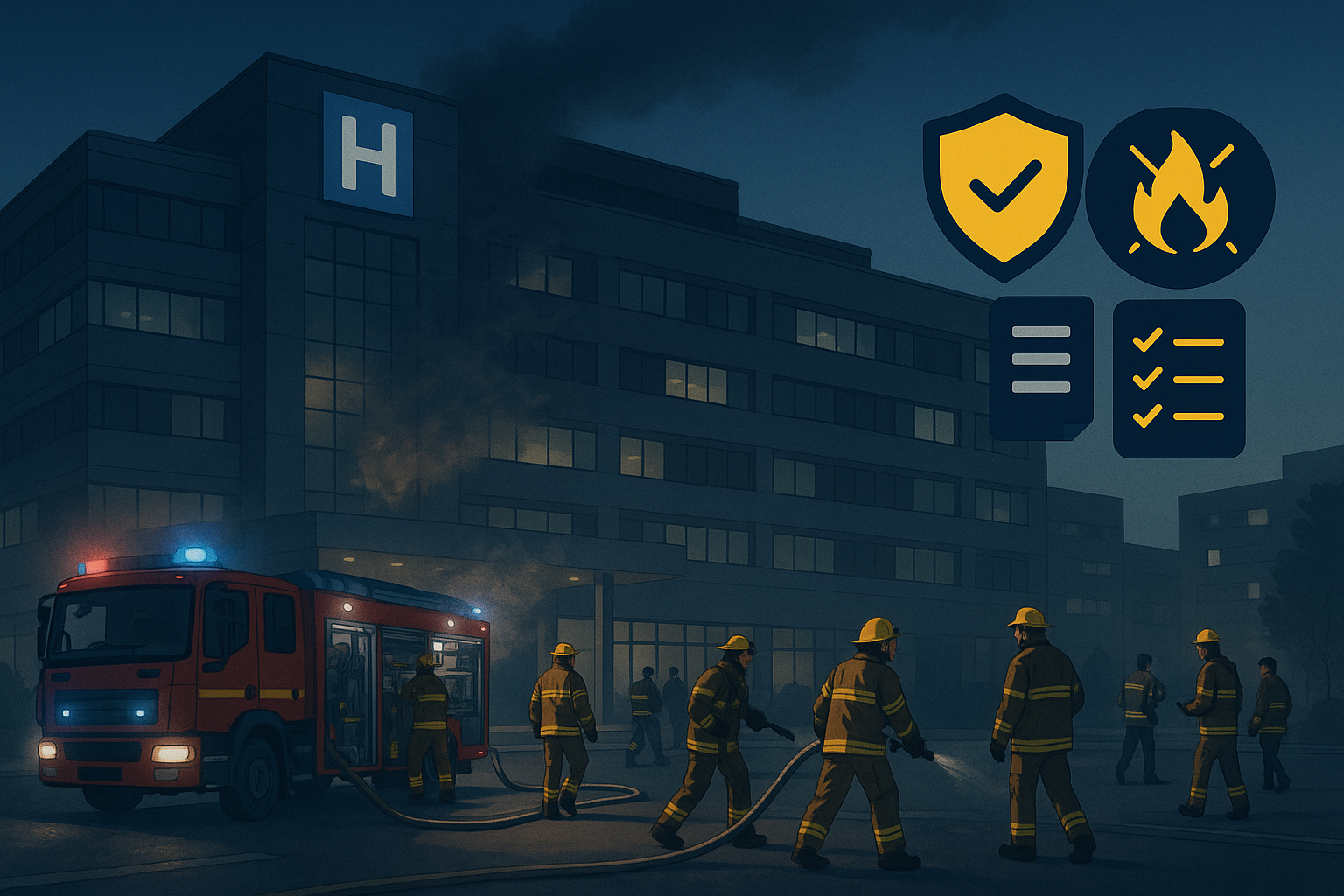
A hospital fire is a huge problem for emergency teams. On November 26, 2025, firefighters rushed to a big fire at the Santa Lucía Hospital in Cartagena, Spain. This fire forced a fast, partial exit from the building. Spanish news widely shared the story. The fire began just after 7:20 AM. Over 30 emergency calls sent about 20 firefighters to stop the flames. This event proves the huge need for strong Fire Safety measures.
So, such events serve as a sharp warning. They show the massive need for strong, careful Fire Safety plans. This is key in high risk health sites. For building safety workers, like risk checkers and facility managers, this fire shows the quick need to master fire stopping and response. Therefore, learning from errors and using the best methods is vital for anyone who wants a job in building safety.
The Cartagena Hospital Fire: Immediate Fire Safety Lessons
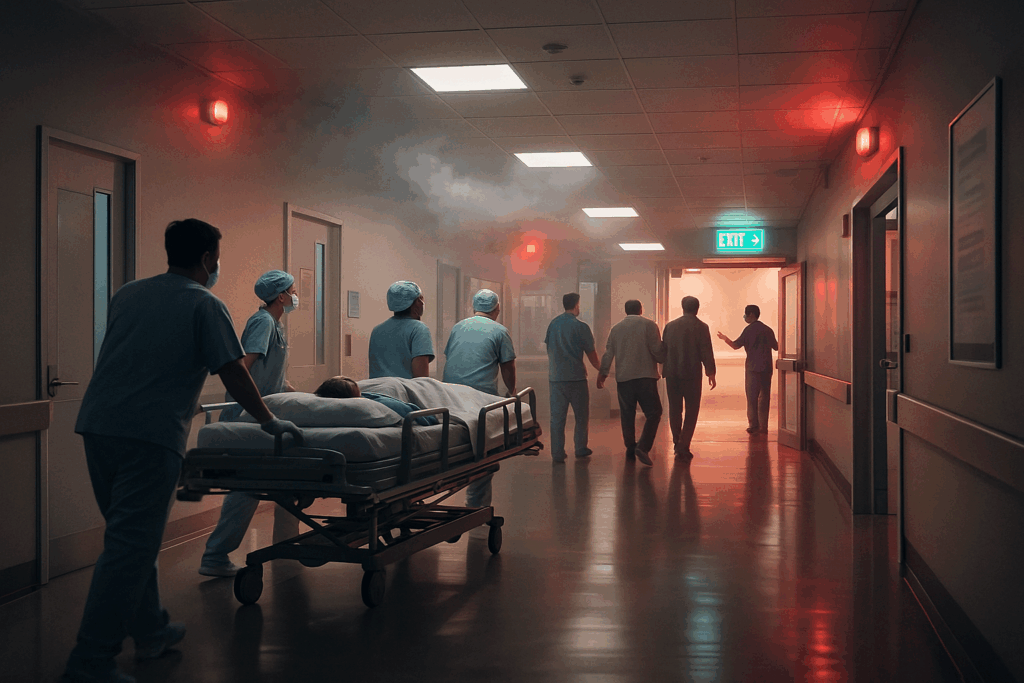
The fast response by 20 firefighters pointed to the fire’s danger. This fire event needed a quick, partial exit. This exit protected weak patients. But, staff members were present when the fire started. This made the first response quicker than if it happened at night. Also, the many emergency calls showed a clear, large event. This quickly worried the public.
Simply put, the main lesson from Cartagena is this: passive and active Fire Safety systems must work together perfectly. Passive Fire Safety includes building parts. These are fire resistant walls and floors. These parts aim to keep fire and smoke in one small area. Active Fire Safety, on the other hand, includes smoke alarms, sprinklers, and manual fire tools. Ideally, in a modern hospital, early detection should stop the fire. It should prevent the need for any exit.
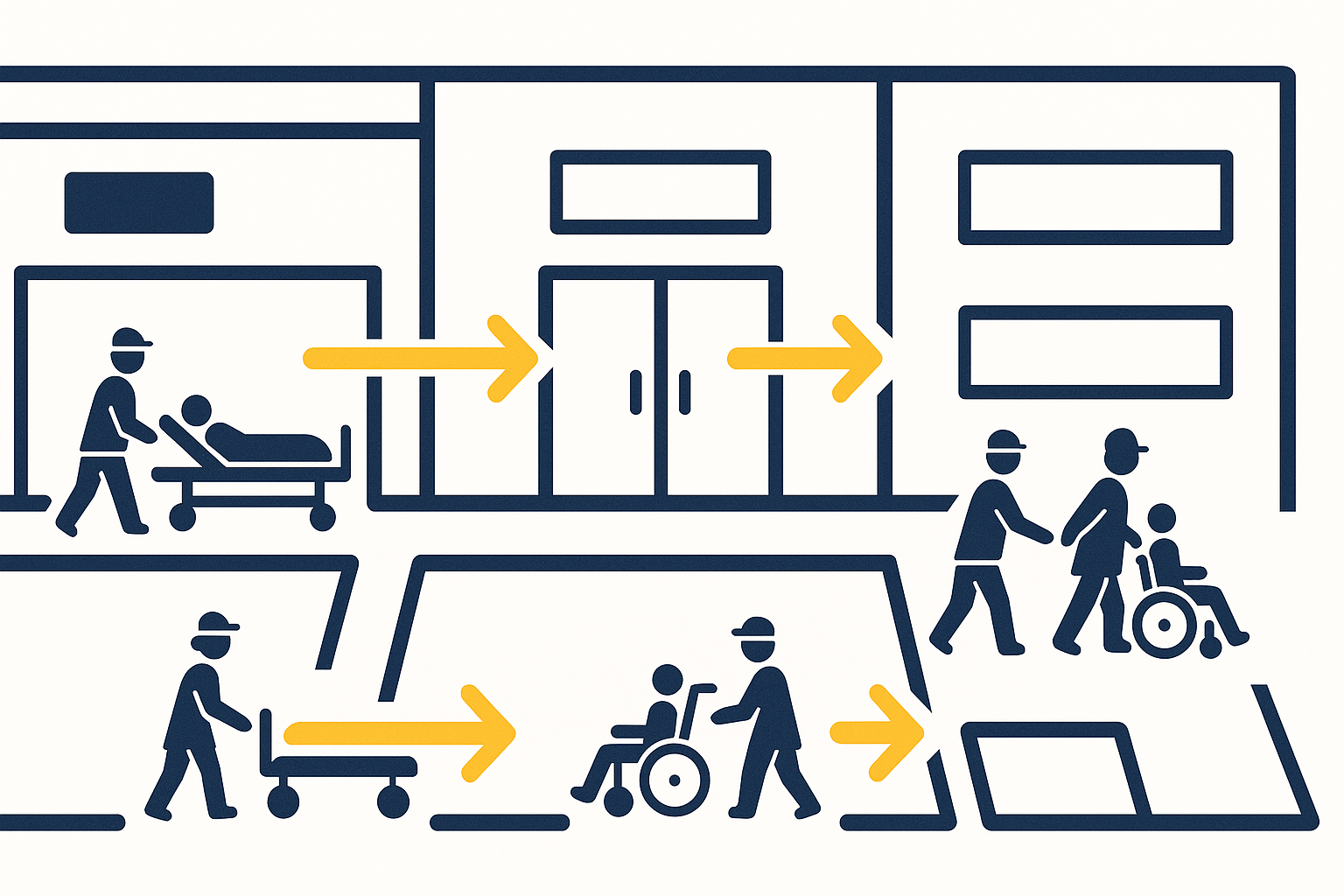
Furthermore, the smooth exit proved the worth of planned emergency steps. Hospital staff must train hard and often. They need to know normal exit routes. They also need the special horizontal evacuation plans for patients who cannot move.
Therefore, this fire shows that training and drills matter greatly. They are as important as the actual fire systems. For building safety experts, making and testing these Emergency Plans is a core, required duty. Indeed, if staff do not train well, a small fire can become a huge disaster.
Analysing Fire Safety Failures in High Risk Healthcare Settings
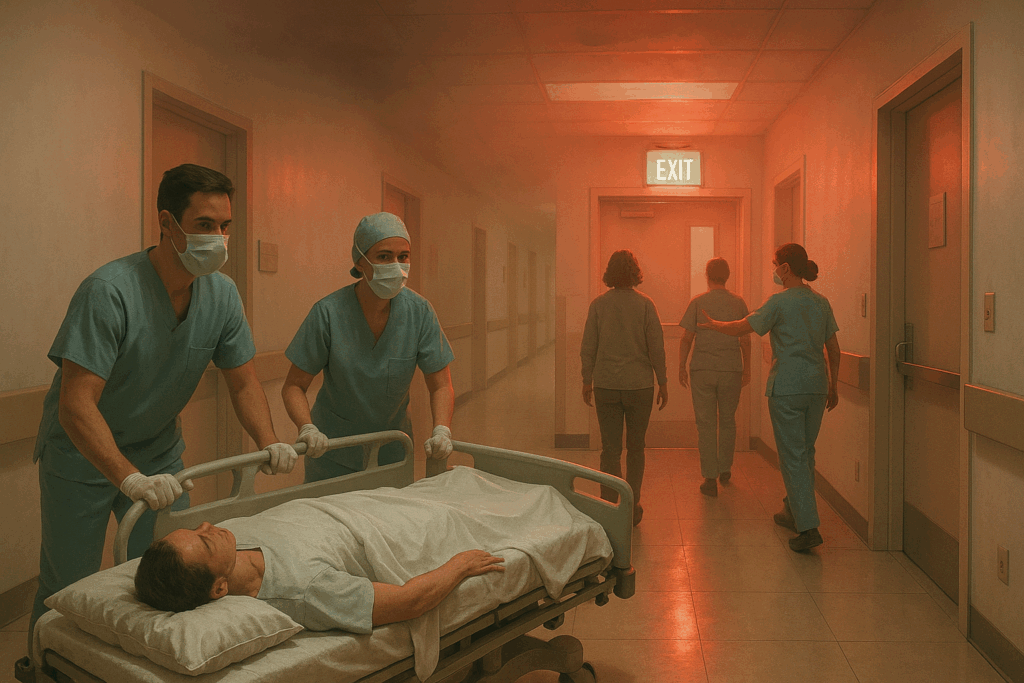
Hospitals and other care sites face unique Fire Safety issues. Risk checkers must include these issues in every Fire Risk Assessment (FRA). First, the people inside are very vulnerable. Many patients cannot move without help. This makes getting them out slow and hard.
Second, hospitals are full of complex gear. This includes medical machines, oxygen tanks, and service shafts. These things easily start fires or help fire spread. As a result, these factors make the risks much bigger. They are larger compared to normal offices or homes.
In this context, problems with Fire Safety systems could come from several areas:
Identifying Root Causes of Hospital Fire Spread
- Compartmentalisation Breakdown: Did the fire spread fast? This can happen if seals around cables or pipes in fire walls break. Hospital upgrades and repairs often damage fire barriers. So, smoke and fire can move past the areas meant to contain them.
- Service Shafts and Risers: These vertical tunnels are famous. They let smoke shoot up fast across many floors. Therefore, checking the dampers and seals in vents and utility shafts very carefully is essential.
- Active System Malfunction: If the fire grew quickly, it points to problems. The smoke alarms (AFD) or sprinkler systems might have been slow, poorly kept, or too weak for the danger. For example, plant room fires often need special fire stopping systems.
Also, the “significant blaze” suggests the fire made extreme heat. This could point to highly flammable items or poor storage habits. Clearly, finding these hidden fire sources and strictly controlling flammable goods is a vital part of proactive Fire Safety management. Thus, the fire demands deep thinking about the quality of passive protection maintenance. It also requires careful checks done by Fire Safety staff.
The Golden Thread and Fire Safety Documentation
The rules and laws now stress the “Golden Thread” of information. This rule came after big global accidents. It means keeping a constant, correct, and easy to reach record of a building’s design, build, and use. This rule directly applies to hospital Fire Safety.
To show this, after the Cartagena fire, investigators will immediately ask for key papers:
- The current Fire Risk Assessment (FRA) and its status.
- Maintenance logs for all Fire Safety gear (alarms, sprinklers, extinguishers).
- Records of all fire stopping work and its certificates.
- Logs of evacuation drills and staff training.
Therefore, the job of the Building Safety Manager (BSM) or a similar document expert is very important. They hold the duty for making sure the documents exist and are trustworthy. In contrast, a messy document system makes the Golden Thread useless.
This is where modern digital skills become essential. Professionals must be good at using Building Information Modeling (BIM) data. They also need facility management software (CAFM systems). They use these tools to manage and check Fire Safety assets. As a result, a building safety career increasingly requires strong computer skills along with fire knowledge.
Furthermore, the FRA itself must be a working document. Checkers must look at it often. Specifically, in a hospital, room uses change all time. For example, a storage room might become a patient room. The FRA must correctly show these changing risks. Hence, keeping this paperwork correct is a continuous, high risk part of running effective Fire Safety plans.
Career Focus: Core Fire Safety Roles and Responsibilities
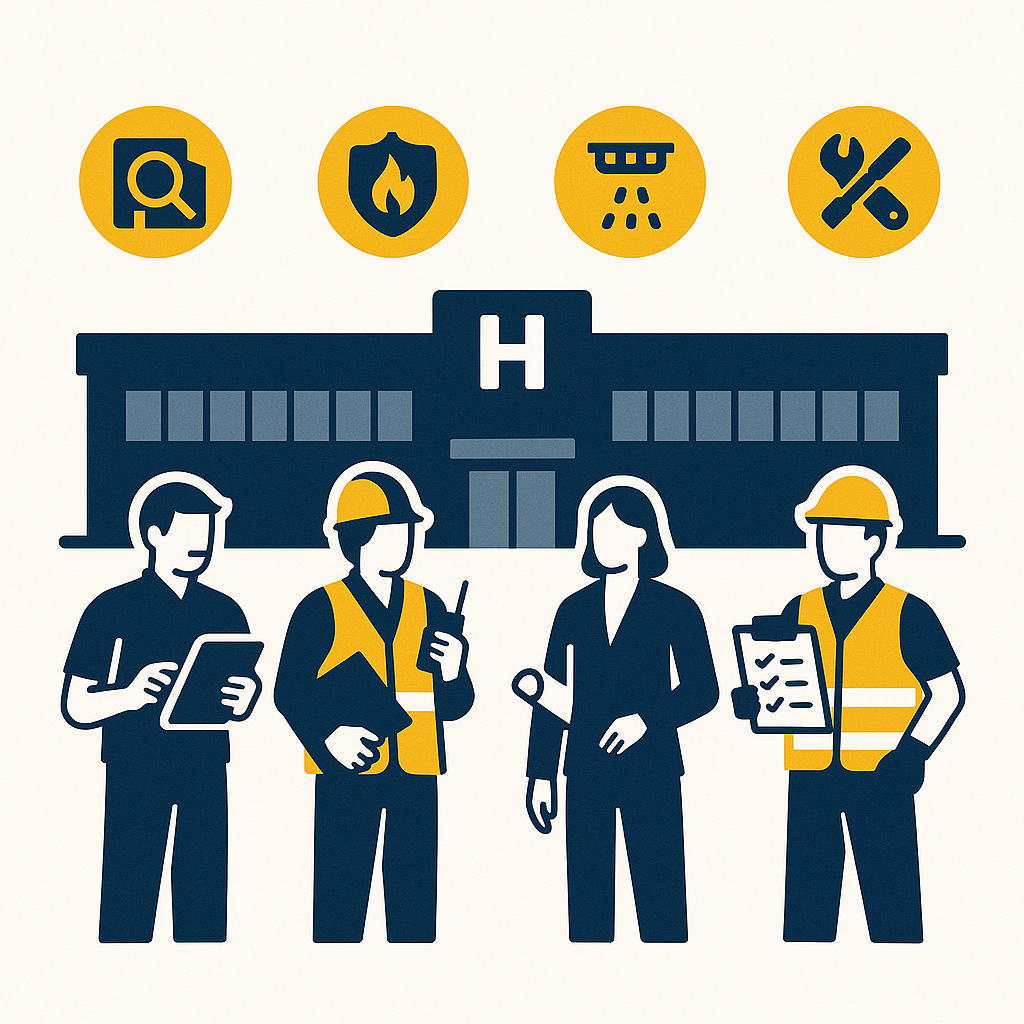
The Cartagena hospital fire shows the great need for skilled workers in the whole Fire Safety field. So, the job demand for skilled people in building safety remains very high. If you want to grow your career or start in this field, focus on these key roles and the skills they need:
Primary Fire Safety Management Roles
- Fire Risk Assessor (FRA): This job involves checking a building step by step. It finds fire hazards. Finds the risks to people. It suggests ways to control them. Crucially, an FRA must have deep technical knowledge. This covers building codes, fire science, and how people act in emergencies. Also, they must be able to write clear reports from complex facts.
- Building Safety Coordinator/Manager (BSC/BSM): These jobs manage the full safety life cycle in a site. After a fire like the one in Cartagena, the BSM would handle the investigation. They would manage the repair plan. They would talk to government officials. Therefore, they need great project management skills. They also need legal knowledge (like FSO rules) and communication skills. Moreover, they protect the Golden Thread. They make sure all Fire Safety data stays right.
Specialised and Supporting Safety Roles
- Fire Safety Engineer: These experts often work on the design and performance of big buildings. They use fire models and math to create custom solutions. In the context of hospitals, engineers design special smoke control and air systems. They do this to make sure people can breathe safely during an exit. As a result, a background in engineering and performance based design is a must.
- Facilities Manager (FM) with Fire Safety Oversight: The FM job is wide, but Fire Safety often takes their highest time. They handle the daily maintenance and tests. This includes weekly fire alarm checks and monthly emergency light checks. They also manage outside companies. For instance, they ensure that electricians working on wiring do not damage fire stopping barriers. In the end, their careful work directly affects daily Fire Safety.
In summary, accountability is the main theme across all these roles. Indeed, professionals entering this field must accept the serious job of protecting life and property.
Advanced Fire Safety Technology and Future Skills
Technology is quickly changing modern Fire Safety management. This creates new job needs and skills for future workers. To begin with, digital tools are fast replacing old paper records and manual logs.
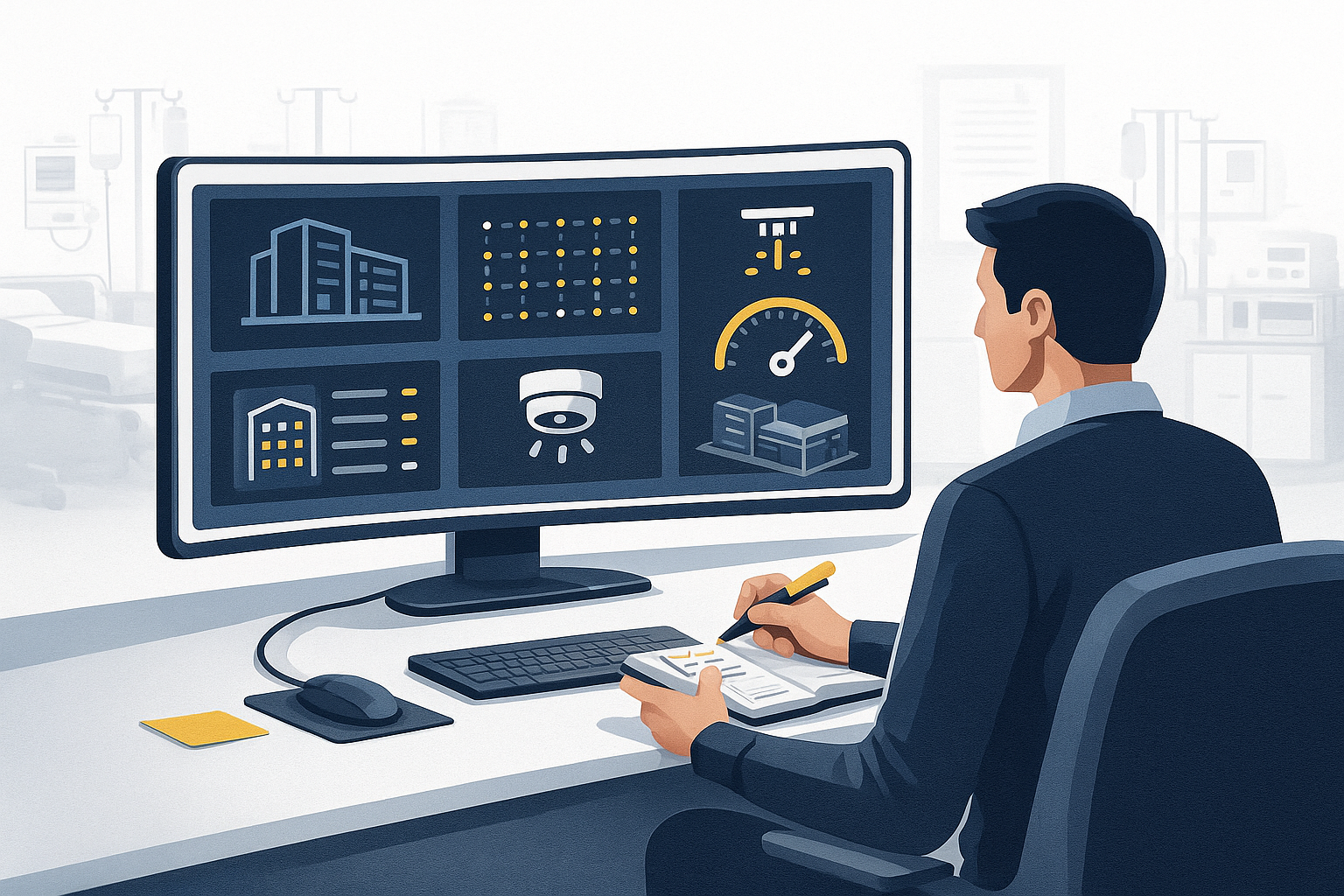
- Building Management Systems (BMS) and Smart Sensors: Today’s hospitals use integrated BMS platforms. These systems watch thousands of data points. They track smoke alarm health, sprinkler pressure, and fire door status. Hence, Fire Safety professionals must expertly read this real time data. They must find issues before a breakdown happens. Specifically, they should know how to set up and check smart smoke and heat detection systems.
- Digital Twins: The Digital Twin is a virtual copy of the real building. It lets safety teams run complex fire tests. It also lets them model exit times quickly. Therefore, employers increasingly look for skills in 3D modeling and data analysis. This is true for high level BSM and engineering jobs.
- Drone and Robotics: Drones are becoming common for many tasks. These include first checks after a fire. They look at hard to reach areas like high walls. As a result, the skill to read heat and visual images from drones adds huge value to a modern FRA’s kit.
Furthermore, Fire Safety experts must now blend technical knowledge with digital rules. Consequently, a future BSM will spend as much time checking data online as inspecting a storage room. Ultimately, the constant push for better Fire Safety performance means workers must invest in computer skills to get ahead.
Continuous Professional Development in Fire Safety
The complexity of fires like the one in Cartagena requires great Continuous Professional Development (CPD). Therefore, structured training is essential to be a professional who employers want to hire.
- NEBOSH Fire Safety Certificate: This course gives a great base. It covers fire risk management, passive Fire Safety features, and legal needs. Moreover, it includes a wide range of topics. These topics are vital for any beginner or mid level job.
- Fire Protection Association (FPA) Qualifications: The FPA offers very focused, hands on training. This covers fire risk checks, fire alarm setup, and fixed fire systems. In fact, these courses provide the detailed, practical knowledge needed. This is necessary to audit specific systems in complex buildings like hospitals.
- Institution of Fire Engineers (IFE) Membership: Getting professional IFE membership shows a serious commitment to learning. It shows sticking to professional standards, which employers highly value.
In conclusion, a career plan must always put current knowledge first. This includes rules and new technology. Since safety standards for hospitals change often, CPD ensures that professionals are ready. They can prevent new incidents like the one in Cartagena.
Final Note
The fire at Santa Lucía Hospital in Cartagena offers a serious lesson. It shows the constant risks in complex buildings. It serves as a powerful call to action for everyone in building safety.
In the end, the safety of a hospital or any high rise depends on more than its structure. It depends on the skill and care of the Fire Safety professionals who manage it.
Therefore, mastering the basics, using new technology, and committing to constant learning remains the best path. It leads to an important and fulfilling career in building safety. Finally, use these lessons and look for jobs that demand excellence in safety today.